Infosys to Acquire Optimum Healthcare IT and Stratus for $560 Million: What the Twin Deals Mean for Growth Strategy
Infosys has announced twin acquisitions in the US, buying Optimum Healthcare IT for $465 million and Stratus for $95 million. The $560 million deal marks a strategic push into healthcare and insurance technology, strengthening its domain expertise amid growing AI-led disruption in IT services.
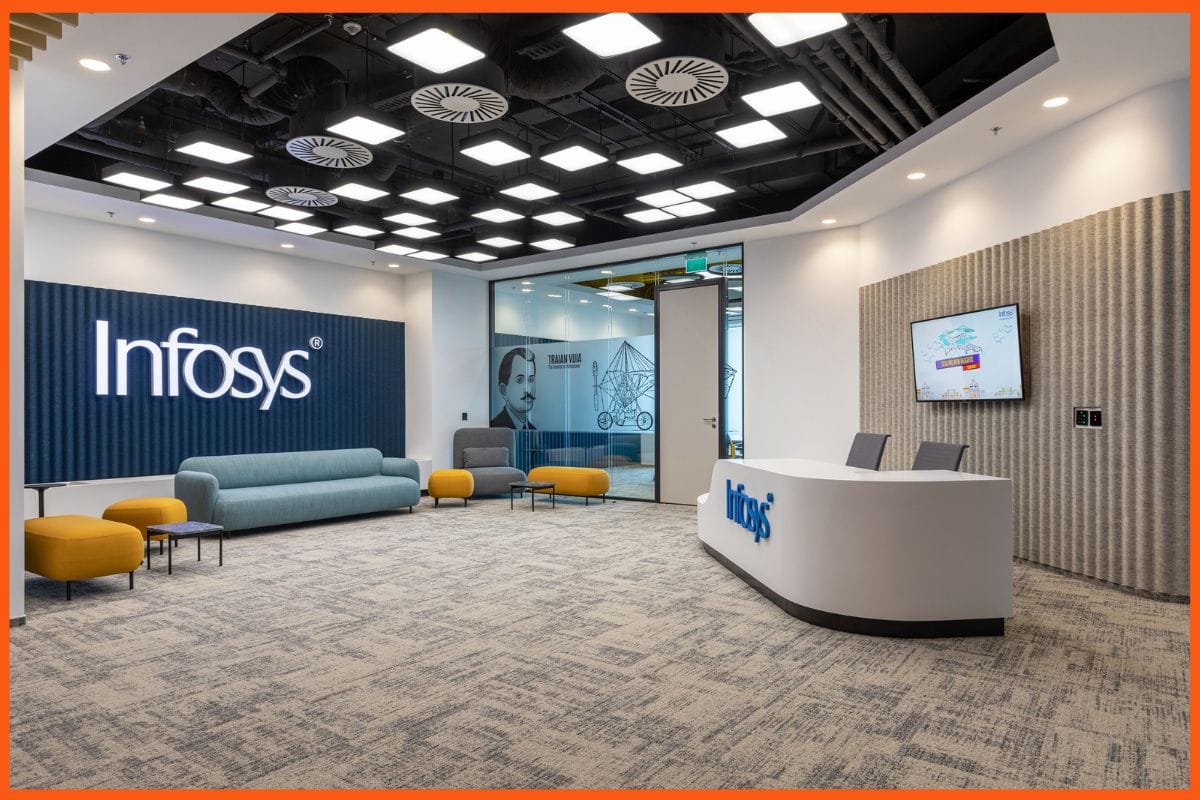
Indian IT major Infosys has announced two acquisitions in the United States worth up to $560 million (around INR 4,650 crore), marking one of its biggest strategic moves in recent years. The company will acquire Optimum Healthcare IT for $465 million and Stratus for $95 million in all-cash deals, as it looks to strengthen its presence in high-growth sectors.
The announcement comes at a time when global IT firms are facing pressure from slower spending and rapid changes driven by artificial intelligence (AI).
Infosys’ $560 Million Acquisition: Key Deal Details and Timeline
Infosys confirmed that it has entered into separate agreements to acquire both companies, with the transactions expected to close after customary regulatory approvals.
Deal Breakdown
| Company | Sector | Deal Value | Focus Area |
|---|---|---|---|
| Optimum Healthcare IT | Healthcare IT | $465 million | Digital transformation in healthcare |
| Stratus | Insurance technology | $95 million | Consulting and technology services |
The acquisition of Optimum Healthcare IT is particularly significant, as it is among Infosys’ largest investments in the healthcare domain.
Both firms are based in the US, a key market for Infosys, and the deals are fully cash-funded, signalling strong balance sheet confidence.
Why Infosys Is Betting Big on Healthcare and Insurance Tech
The twin acquisitions highlight Infosys’ focus on expanding its domain expertise in healthcare and insurance, two sectors seeing strong digital adoption globally.
Optimum Healthcare IT specialises in helping healthcare providers with IT modernisation and digital transformation. Meanwhile, Stratus brings expertise in insurance technology consulting, a segment witnessing rapid change due to automation and AI.
Industry analysts suggest that these acquisitions will help Infosys offer more specialised, end-to-end solutions to clients rather than just traditional IT services.
This aligns with a broader shift in the IT services industry, where companies are investing in niche capabilities to stay competitive.
Strategic Push Amid AI Disruption and Slowing IT Spending
The move comes as IT firms globally are adapting to the impact of AI, which is reshaping demand for traditional outsourcing services.
Experts believe mergers and acquisitions are becoming a key strategy for companies like Infosys to maintain growth and diversify revenue streams.
By strengthening its vertical expertise, Infosys aims to:
- Improve deal sizes and client engagement
- Expand capabilities in regulated industries
- Offset pressure on traditional IT services revenue
The company has been actively pursuing acquisitions in recent years to deepen its offerings and expand geographically.
Market Reaction and Current Status
Following the announcement, Infosys shares saw a modest uptick of over 1% despite weakness in the broader stock market.
The deals are currently awaiting regulatory approvals and are expected to close in the coming months.
Analysts remain cautiously optimistic, noting that such acquisitions can enhance long-term growth but will need smooth integration to deliver value.
What This Means for Infosys Going Forward
These acquisitions signal Infosys’ intent to move beyond traditional IT outsourcing and position itself as a domain-led digital transformation partner.
The focus on healthcare and insurance also reflects stable, long-term demand areas, especially in developed markets like the US.
If executed well, the deals could:
- Strengthen Infosys’ competitive positioning
- Boost revenue from high-value services
- Improve resilience amid changing technology trends
As AI continues to reshape the IT industry, Infosys’ latest move shows it is actively adapting its strategy to stay ahead.
 Nitin Konde