
Meta & YouTube Lose Social Media Addiction Case: Ordered to Pay $6M
A 20-year-old Kaley complained that social media ruined her mental health by getting her addicted to it. Parents and commentators were relieved after the landmark win.
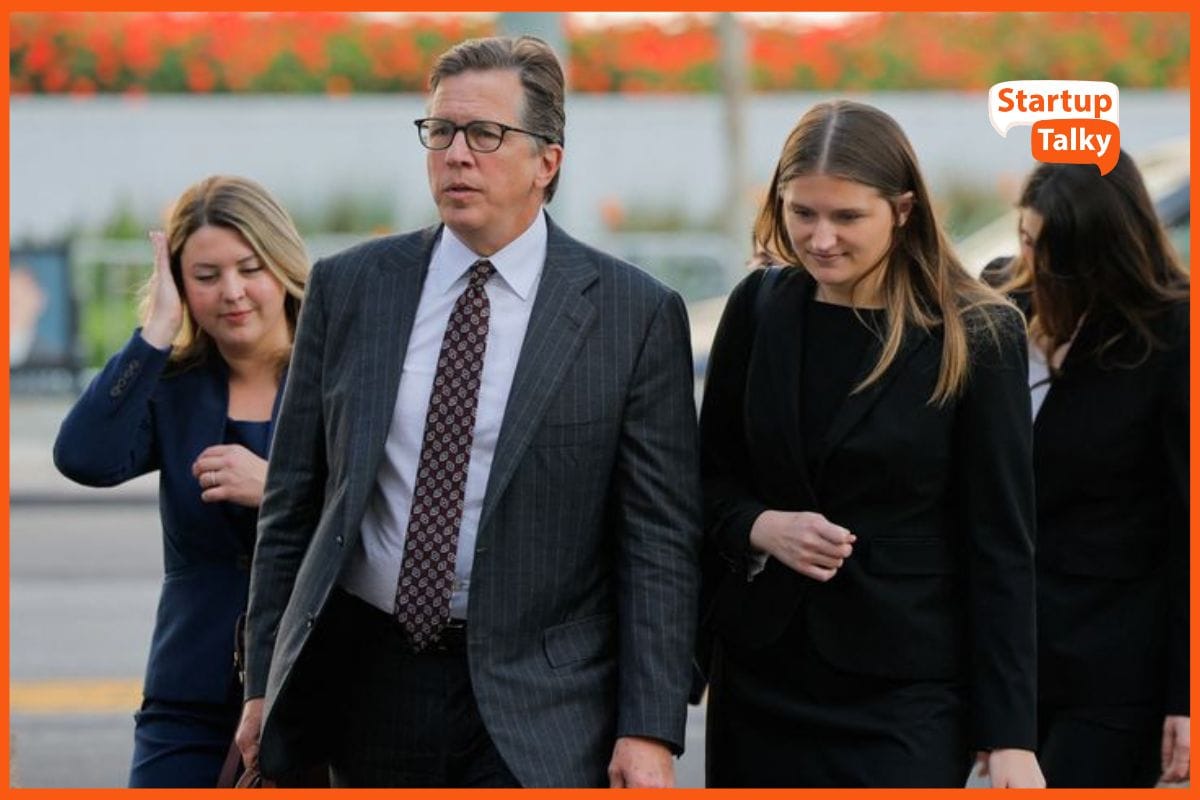
Child safety on the internet is taking new twists and turns these days, and here's another. Having said that, it's not looking good for Meta, YouTube and AI companies in their court trials since 2025. A 20-year-old woman named Kaley sued social media companies in 2023. Her fight was about social media making her addicted (‘intentionally’) to it and ruining her mental well-being. The incident is a landmark case, as Kaley won on 25 March in a court in Los Angeles (USA).
The jury sided with her and awarded a whopping $6 million. As a matter of fact, several similar cases are pending in court. Parents and campaigners seem relieved now. An expert called it a "breaking point” between the public and social media companies. So, who else is involved (like Snapchat and TikTok)? What's next for social media in general? For all that, learn more.
Kaley’s Social Media & Mental Health Timeline
Which Companies Were Blamed in Kaley’s Lawsuit?
Meta (which owns Instagram, Facebook, and WhatsApp) and Google (which owns YouTube) are facing legal penalties in the current lawsuit. Snap and TikTok were also involved. However, they have settled the issue privately. Therefore, Meta and Google were highlighted the most.
What Did Kaley Get?
Kaley was rewarded $6 million, which is split into:
- $3 million (compensation) → for harm to her mental health
- $3 million (punishment) → because the companies acted badly (“malice, oppression, or fraud”)
- Here, Meta is entitled to pay about 70% of the reward money, with the remaining 30% paid by Google.
How Did Meta and Google React to Kaley’s Case?
Both companies strongly disagree with the jury and said they will appeal. Meta argued that teen mental health is complicated and therefore one can't blame just one app. Mark Zuckerberg testified in court and said that Meta, by default, doesn't allow users under 13. However, he admitted that kids still use the platform anyway.
He said he wished they had improved the age detection on the app more quickly. On the other hand, Google said that YouTube is a video platform, not really social media. And further said that the case misunderstood how YouTube works.
Final Thoughts… Bigger Global Impact of Kaley’s Case
Across the world, governments are getting more vigilant about social media and its impact on the youth. Australia is already limiting kids’ social media use. The United Kingdom is already testing a ban on under-16s. Hence, stricter rules for social media moving forward.