OECD Flags 4.2% U.S. Inflation: Warns Fed to Stay Alert
The Middle East war, energy crisis and Tariffs are likely pushing U.S. citizens into high inflation in 2026. Growth may persist, the reports say.
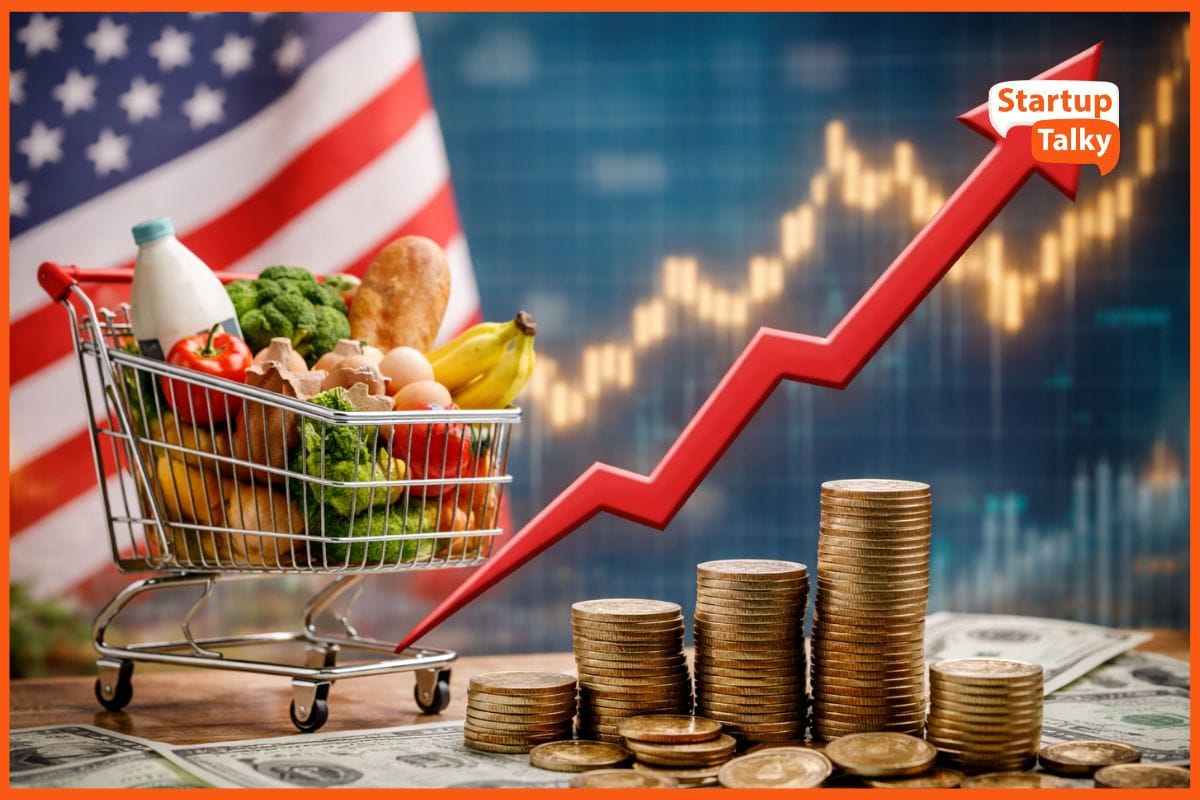
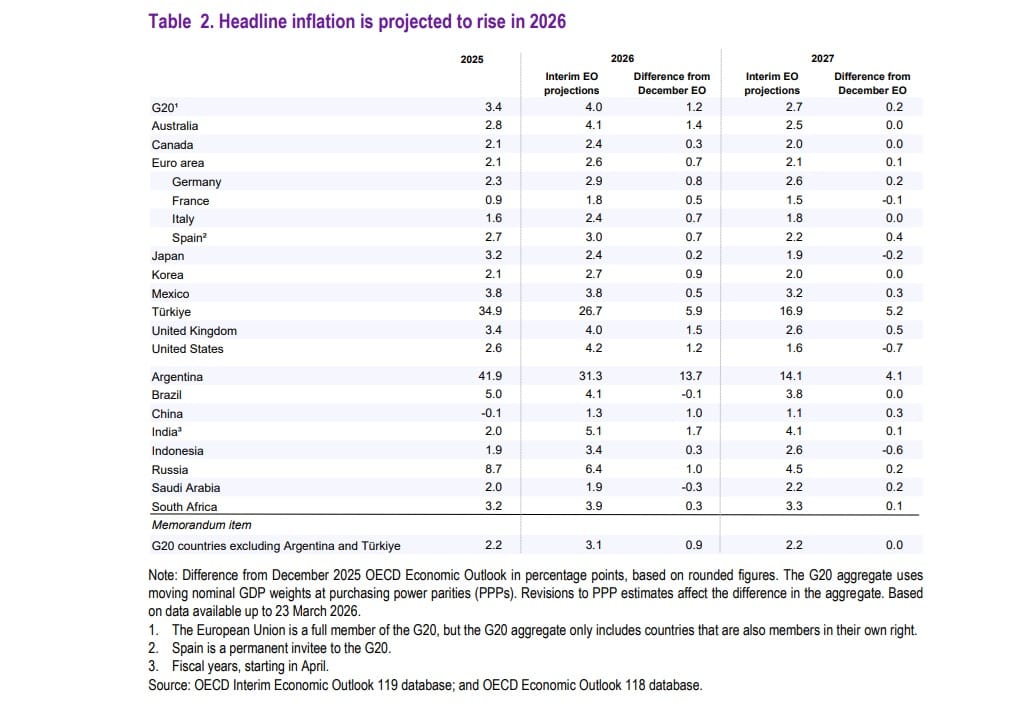
'Fed must stay alert,' warns the Organisation for Economic Cooperation and Development (OECD). It's a major global group that studies economies. It has just shared a new forecast about the U.S. economy, and it's not looking good. The U.S. can expect inflation to be 4.2% in 2026. Therefore, the citizens must prepare for what's coming. The predictions also show a drop to 1.6% as some relief later in 2027. However, that will all be gradual. Is the war in the Middle East to blame for? What does the OECD suggest central banks do as preventive measures? What happens next (future outlook)? For all that, learn more.
OECD New Inflation Prediction in the U.S.
The Organisation for Economic Cooperation and Development (OECD) had earlier predicted that the inflation would be 2.8%. The Federal Reserve (Fed) recently estimated it at 2.7%. After carefully analysing the ongoing war and energy conflicts, the OECD revised its previous estimate and set the new figure at 4.2% (2026). Hence, the prices may rise much faster than expected in the U.S.
U.S. Economic Outlook (OECD)
Why Are Prices Expected to Rise More in the U.S?
Iran War
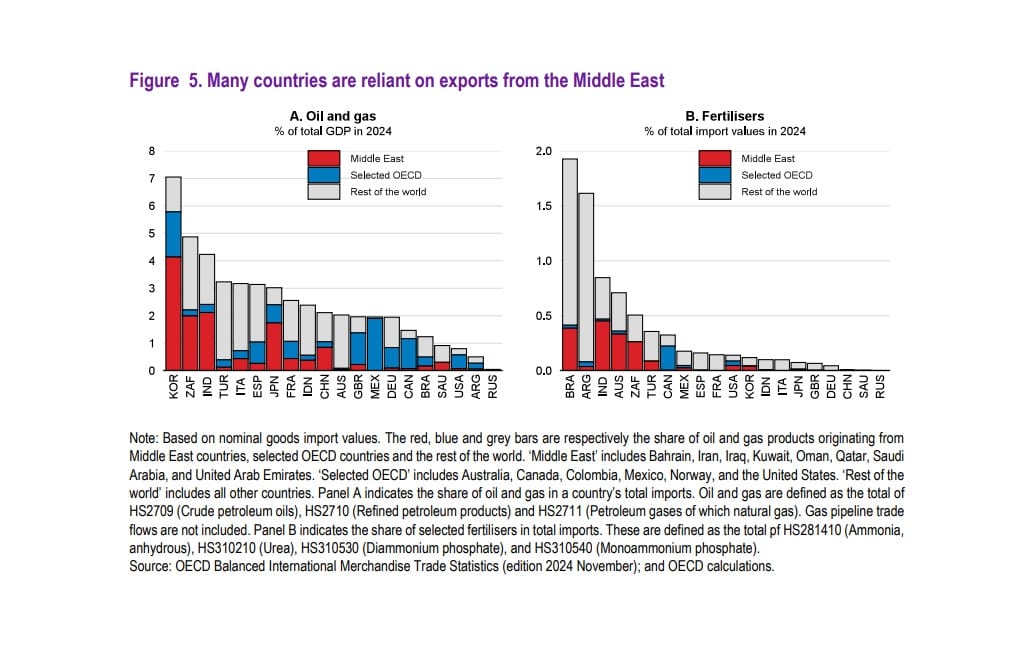
Mainly (and obviously) because of the war in the Middle East (Iran conflict). The war hit the oil and energy supply across the globe. Although domestic production has risen by 50%, the U.S. still imports about 8% to 10% of its total oil from the Persian Gulf (including Saudi Arabia and Iraq). That's why the prices went up (and may go up if the war situation remains the same). Production costs across the U.S. may rise, and everything gets costlier for consumers. Hence, it pushes the overall inflation higher.
U.S. Tariffs
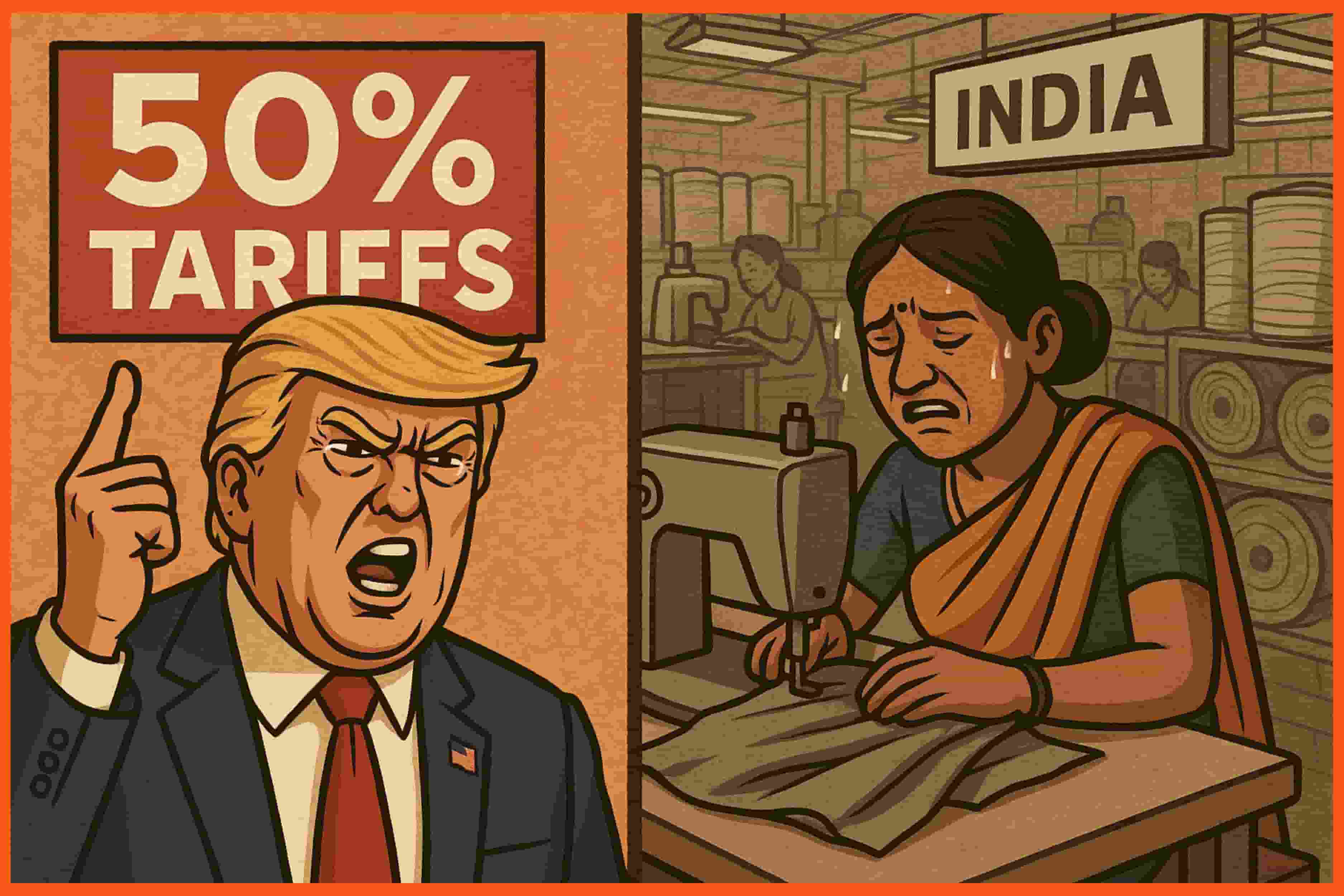
Secondly, the expensive U.S. tariffs. Even before the Iran war conflict, Trump had imposed unfair tariffs on several countries. Laos (40%), Myanmar (40%), Syria (41%), Switzerland (39%), Iraq (35%), Serbia (35%), Algeria (30%), Libya (30%), South Africa (30%), China (100% on some Chinese goods in November 2025), India (50%) and more. Given that the U.S. will eventually reduce these, imported goods will still be expensive in the U.S.
Final Thoughts...
The OECD's previous prediction was close to the Federal Reserve's (Fed) 2.7% estimate. However, due to the changing war situation, it has issued a new 4.2% forecast. The OECD is calling for immediate action, such as raising interest rates. As of now, there's no reaction from the Fed or any solution provided. For more updates on the same, keep in touch.
 Adepu Bindu