

10 Most Common Project Planning Mistakes - and How the Right Software Helps Avoid Them
🛠️ToolsSuccessful project planning isn’t just about timelines and to-do lists. It’s about building a realistic, adaptive roadmap that guides your team through uncertainty, shifting priorities, and resource constraints.
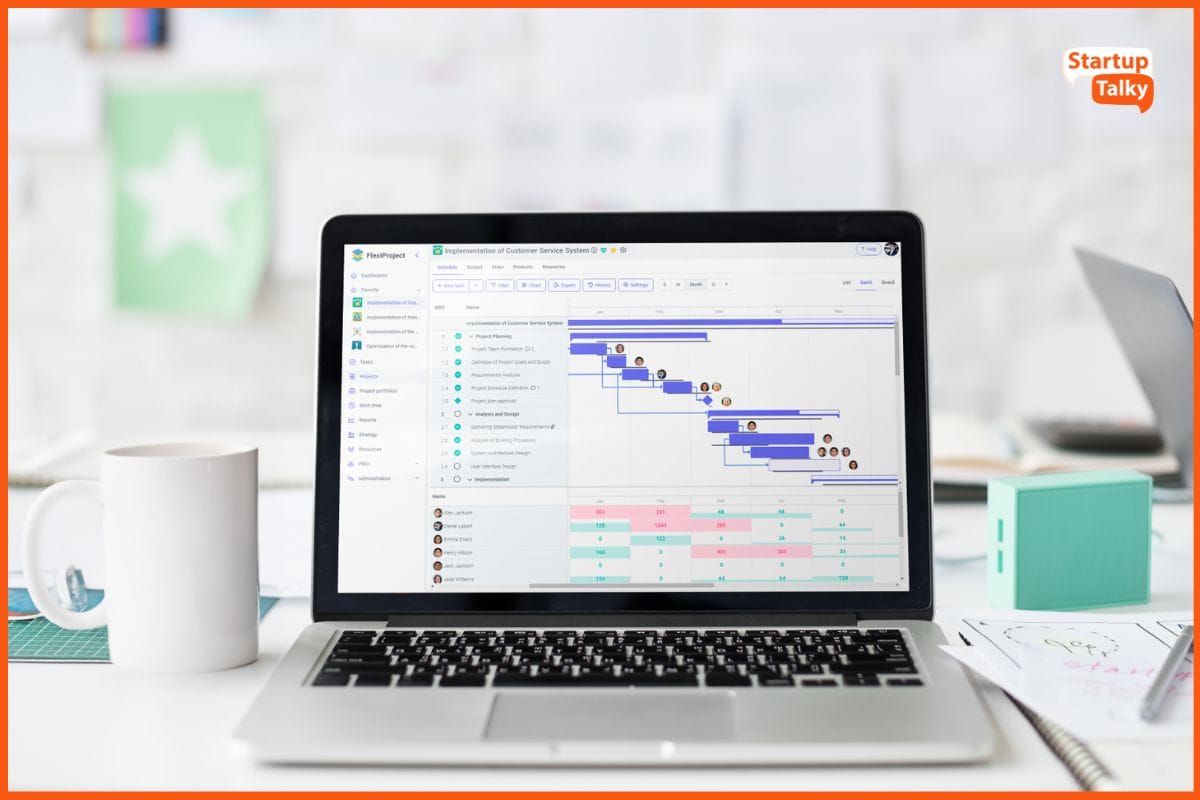
In this article, we’ll unpack 10 of the most common project planning mistakes that derail initiatives - and show how the right software, like FlexiProject, can help your organization prevent them.
1. Vague Goals and Lack of Shared Direction
Starting a project without clear, measurable objectives is like sailing without a map. If your team doesn't understand where you're heading, they’ll interpret tasks in different ways, often working at cross-purposes.
Solution: Modern project planning tools allow you to set SMART goals, create detailed requirement documents, and assign clear ownership. FlexiProject, for instance, supports full alignment by making objectives visible and traceable from day one.
2. Overly Optimistic Time Estimates
One of the most costly planning errors is assuming a “best-case scenario.” Many managers underestimate how long tasks will take, forgetting to factor in delays, handoffs, or unexpected blockers.
Solution: Use historical data to inform planning. With FlexiProject, you can analyze previous project performance and integrate realistic buffers into your Gantt chart - building timelines that reflect real-world complexity instead of wishful thinking.
3. One-Size-Fits-All Methodologies
Trying to force every project into a rigid waterfall structure - or applying agile in contexts that require strict sequencing - can hinder progress. Each initiative has its own logic.
Solution: Project management software should support hybrid methods. FlexiProject lets you tailor workflows to the nature of the work - blending structured planning with flexible execution, all in one platform.
4. Planning in Isolation
Creating a plan without involving your team is a surefire way to miss critical technical realities. When schedules are imposed top-down, buy-in suffers and deadlines are missed.
Solution: Collaborative tools ensure bottom-up input. FlexiProject enables distributed teams to contribute to task estimation, identify risks early, and co-create project timelines - boosting ownership and accountability.
5. Misjudging Team Capabilities
Assigning complex tasks without understanding the actual skills or seniority of your team leads to missed deadlines and rework.
Solution: FlexiProject’s resource planning features help match tasks to the right people based on availability, experience level, and current workload - helping you avoid burnout and talent misallocation.
6. Ignoring Cross-Project Dependencies
It’s common to overlook the fact that team members may be working on multiple initiatives - or might be unavailable due to vacations or other commitments.
Solution: Project planning tools with organizational visibility, like FlexiProject, let you see who’s doing what across the portfolio. This enables better capacity planning and prevents critical blockers caused by unavailable resources.
7. Allowing Scope Creep Without Controls
Small changes in scope - if not formally reviewed - snowball into resource drains. What starts as a minor feature request can quickly turn into days of unplanned work.
Solution: Implement strict change management processes. FlexiProject allows you to tie scope changes to impact analyses, timelines, and budgets - ensuring each modification is approved and accounted for before it impacts delivery.
8. Treating Risk Management as a One-Time Task
Many projects begin with a solid risk register, only to ignore it once the real work starts. But threats evolve, and so must your awareness.
Solution: Continuous risk monitoring should be embedded in your planning tool. FlexiProject supports real-time risk tracking, automatic alerts, and mitigation planning - helping you stay ahead of potential disruptions before they escalate.
9. Poor Communication and Information Flow
Without a centralized place for updates, status reports, and documentation, teams rely on emails, chats, and guesswork - leading to confusion and misalignment.
Solution: Use software that makes project communication transparent and timely. FlexiProject enables role-based access to real-time dashboards, centralized document repositories, and status meeting reports - ensuring everyone is always on the same page.
10. Lack of Executive Support and Sponsor Engagement
Even a great plan will stall without leadership backing. If your project sponsor isn’t available to make timely decisions, you’ll hit approval roadblocks and resourcing issues.
Solution: Visibility is key. Tools like FlexiProject make it easy for senior stakeholders to access high-level reports, monitor KPIs, and intervene when needed - without being involved in the day-to-day.
Final Thoughts: Planning is a Process - and Software is Your Best Ally
Every project is different. But the mistakes that derail them are surprisingly predictable - and preventable. With the right project management software, you’re not just digitizing plans - you’re institutionalizing good habits, empowering people with data, and creating the conditions for scalable, repeatable success.
FlexiProject is designed to support exactly that. Whether you manage large enterprise portfolios or small cross-functional teams, it helps you plan smarter, adapt faster, and deliver results with confidence.