

Abhijeet Kaji of Knya on Building a Medical Lifestyle Brand, Performance-Driven Apparel, and Community-Led D2C Growth
📝Interviews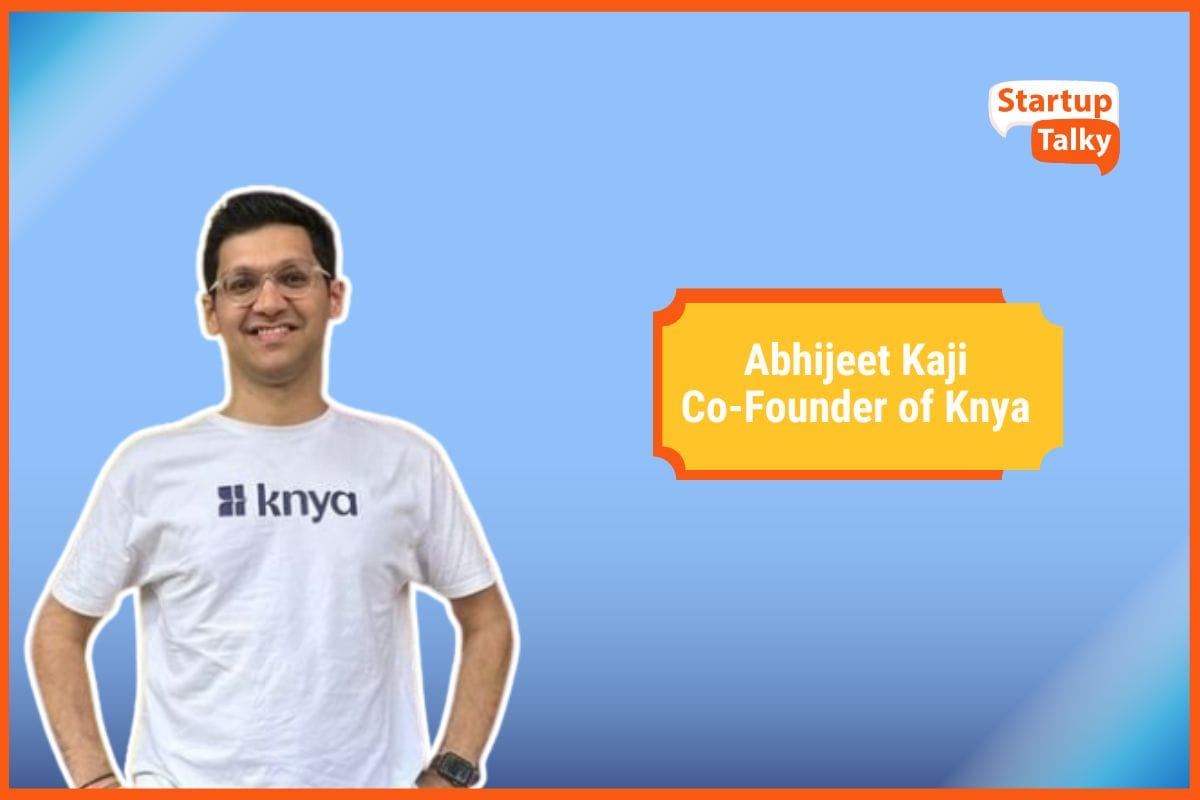
StartupTalky presents Recap'25, a series of exclusive interviews where we connect with founders and industry leaders to reflect on their journey in 2025 and discuss their vision for the future.
In this edition of Recap’25, StartupTalky speaks with Abhijeet Kaji, Co-Founder of Knya, who reflects on a year of rapid growth, category expansion, and deeper engagement with India’s healthcare community. Kaji shares how Knya evolved from addressing a clear gap in medical apparel to building a trusted medical lifestyle brand worn by over a million healthcare professionals. He discusses the industry’s shift toward performance-first, sustainable workwear, Knya’s expansion into medical equipment and offline retail, and the role of e-commerce, quick commerce, and community-led content in driving repeat purchases. He also offers insights into regional market behaviour, customer retention strategies, and Knya’s intent-driven approach to scaling customers, SKUs, and teams - while staying rooted in trust, quality, and real-world feedback from healthcare professionals.
StartupTalky: What products does Knya sell? What was the motivation/ vision with which you started?
Abhijeet Kaji: Knya is a medical lifestyle brand that creates high-performance medical apparel for doctors, nurses, and healthcare students. Our range includes scrubs, lab coats, and performance jackets designed for comfort, function, and style. We started with a clear vision, to give healthcare professionals uniforms that match the dignity of their work while building sustainably with better fabrics, better fits, and better everyday confidence. What began as a visible gap in the industry has now grown into a community of over 10 lakh healthcare professionals who trust and wear Knya.
StartupTalky: What other products/features have been added in the past year? What is/are the USP/s of your products?
Abhijeet Kaji: In the past year, Knya expanded its offerings and its world. We entered the medical equipment category with two upgraded stethoscopes that deliver better acoustics, lighter handling, and higher durability, creating a strong base for more clinical tools. On the apparel side, we added new styles including our performance jacket, and strengthened our offline presence with more than 15 new stores in a year, aligned with our goal of opening one store every month.
Our biggest USP continues to be a blend of performance, comfort, and sustainability. With spill-resistant and breathable fabrics, modern fits, and long-wear comfort, we focus on creating workwear that healthcare professionals genuinely enjoy wearing every day.
StartupTalky: How has the healthcare industry you are in changed in recent years and how has your company adapted to these changes?
Abhijeet Kaji: The medical apparel industry in India has shifted dramatically from basic, utility-driven uniforms to a real demand for high-performance, comfortable, and personalised workwear. Healthcare professionals today expect the same quality, design, and innovation that mainstream apparel has offered for years - and this shift didn’t happen on its own.
Knya has been at the forefront of driving this change. We transformed medical workwear from a commodity into a lifestyle category by introducing performance fabrics, thoughtful fits, modern design, and sustainable materials at scale. As the market evolved, we made sure accessibility evolved with it. Our strong e-commerce presence and quick-commerce partnerships now allow healthcare professionals to get high-quality workwear delivered almost instantly.
StartupTalky: What key metrics do you track to check the company's growth and performance?
Abhijeet Kaji: We focus on metrics that capture both impact and customer love. Repeat purchase rates, delivery speed on e-commerce, customer reviews, and product return rates help us understand how well our products fit real-world needs. We also track hospital and institutional adoption, alongside rising demand from Tier 2 and Tier 3 cities. Together, these indicators show not just how fast we’re growing but how meaningfully we’re supporting India’s healthcare community.
StartupTalky: What were the most significant challenges your company faced in the past year and how did you overcome them?
Abhijeet Kaji: One of the biggest challenges this past year was meeting the growing demand across India while maintaining the quality and reliability our customers expect. With healthcare professionals relying on us for uniforms every day, any delay or compromise could affect trust. We overcame this by strengthening our supply chain, investing in quick commerce and e-commerce operations for faster delivery, and staying closely connected with our users to iterate products based on real feedback. This helped us scale efficiently while keeping customer trust intact.
StartupTalky: Repeat purchase is one of the most important parameters on which most eCommerce brands are betting. How do you keep your customers engaged to stop churn? Can you share specific customer retention initiatives or loyalty programs that have proven successful for your brand?
Abhijeet Kaji: Repeat purchase is a key focus for us. We keep customers engaged with personalised recommendations, timely reminders about new launches, and loyalty initiatives such as points and referral programs. Our AI assistant supports both sales and customer queries, helping users explore products, check availability, and resolve issues instantly. Combined with attentive human customer care and fast delivery through our website, e-commerce, and quick commerce channels, these measures have proven effective in reducing churn and building long-term loyalty among healthcare professionals.
StartupTalky: What are the different strategies you use for marketing? Tell us about any growth hack that you pulled off.
Abhijeet Kaji: Our marketing strategy at Knya blends SEO, strong social media storytelling, influencer partnerships, PR, and content crafted specifically for healthcare professionals. We focus on building awareness, credibility, and community by highlighting performance, comfort, and design in a way that feels real and relatable. We also invest in building the personal brands of our founders, which creates trust and strengthens Knya’s voice in the industry.
For growth hacks, our most effective one has been creating medical-community–first content that answers real questions doctors and nurses have, rather than pushing products.
StartupTalky: What are the important tools and software you use to run your business smoothly?
Abhijeet Kaji: We use a mix of reliable, industry-standard tools that help us run the business smoothly across operations, marketing, and customer experience. Our e-commerce stack is built on a robust enterprise-grade platform, which ensures stability, scalability, and a seamless shopping experience. For internal workflows, we rely on tools for inventory management, analytics, design, and communication to keep everything running efficiently. We keep our setup simple, efficient, and optimised so the team can focus on what matters most, which is product, community, and customer experience.
StartupTalky: What opportunities do you see for future growth in your industry in India and the world? What kind of difference in market behavior have you seen within states in India?
Abhijeet Kaji: The future of medical lifestyle in India is massive. Healthcare professionals today want better design, better functionality, and faster access to essentials. There’s a clear shift toward performance-first apparel, sustainable materials, quick deliveries, and a more personalised shopping experience. Globally, too, there’s growing interest in medical lifestyle brands that blend comfort, durability, and style rather than treating uniforms as just a commodity.
Within India, we see strong differences in buying behaviour. Metro cities prioritise aesthetics, fabric innovation, and new colour drops, while Tier 2 and Tier 3 markets focus on durability, price accessibility, and everyday functionality. Southern states tend to adopt new products faster because of stronger medical ecosystems, while western and northern regions show high repeat purchase patterns. These regional insights help us tailor assortments, improve delivery, and build a brand that feels relevant across India’s diverse healthcare community.
StartupTalky: What lessons did your team learn in the past year and how will these inform your future plans and strategies?
Abhijeet Kaji: Over the past year, our team has learned that understanding healthcare professionals goes far beyond selling a product, it is about being part of their daily lives, listening closely, and responding quickly. We realized that speed, accessibility, and consistent quality are just as important as design and fit. These lessons are guiding our future plans, we are focusing on refining products based on real feedback, strengthening e-commerce and quick commerce accessibility, and building processes that allow us to scale efficiently while keeping our customers’ trust and experience at the center.
StartupTalky: How do you plan to expand the Customers, SKUS, and team base in the future?
Abhijeet Kaji: We plan to expand our customer base by growing our retail footprint and creating more immersive in-store experiences that build trust and repeat purchases. Our SKU expansion will continue to follow the real problem statements of our ICP, just like we did with jackets, where the need was clear and unmet. As for the team, we believe it grows organically with the business. As demand rises and our categories scale, the team will expand in a focused, meaningful way to support that growth.
StartupTalky: With so much hype around D2C brands spending on ads, What will be your growth strategy organic or inorganic? How to plan to work around SEO and content marketing?
Abhijeet Kaji: With D2C brands overspending on ads, our growth strategy at Knya is to stay intent-driven rather than number-driven. We plan to balance organic and inorganic growth, but with a clear focus on communicating our brand ethos in every asset and initiative.
On SEO and content marketing, the goal is to build authority through meaningful, value-led content around medical apparel, sustainability, and healthcare stories. Every ad, collaboration, and piece of content will serve a purpose, reflect who we are, and speak directly to the community we’re building, instead of chasing vanity metrics.
StartupTalky: One tip that you would like to share with another D2C founder, based on your own experience
Abhijeet Kaji: Be the brand your customers genuinely love. Listen closely, make changes fearlessly, and stay connected to how they live, work, and feel. The more you immerse yourself in their everyday reality, the clearer their true needs become. That’s how you build products that are not just bought but trusted, relied on, and talked about.
Explore more Recap'25 interviews here.