

AI Is Now Replacing CEOs: Coca-Cola & Walmart Leaders Step Down
James Quincey (of Coca-Cola) and Doug McMillon (of Walmart) have stepped down, saying it's the right time for new AI leadership.
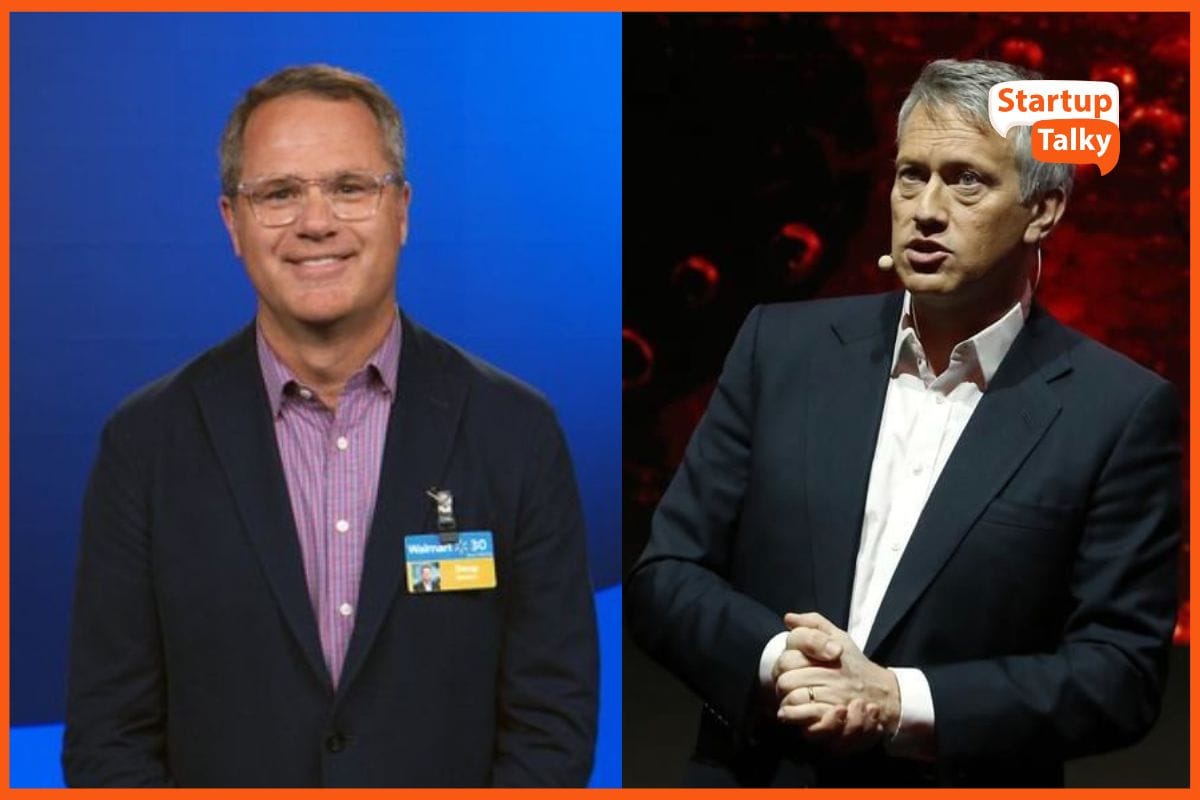
AI is putting even CEO's jobs at risk. James Quincey (of Coca-Cola) and Doug McMillon (of Walmart) have stepped down due to AI. The news is signalling that something is massively changing in the industry. Reports say that the CEO resigning from such companies is more of a strategic move. However, the concerns about how fast AI is evolving are still looming.
As a matter of fact, both of them are willing to do so and announced the same in late 2025. There's a prediction that over the next 1–2 years, many CEOs in industries like retail and manufacturing will step down, too. So, why are they exactly leaving their roles? Does that mean they failed as CEOs? Or is there a bigger picture to AI's role in the matter? For all that, learn more.
What’s the Big Deal With James Quincey & Doug McMillon Stepping Down?
Usually, CEOs of big companies step down due to poor performance, scandals, or retirement. Not this time around, it's unusual but happening, the evolving AI. They aren't resigning because they failed but because they believe that the future needs a different kind of leader (in the current AI era). Leaders like James Quincey & Doug McMillon have run their companies successfully for years. AI has changed how products are made, how customers are served, and how decisions are taken. Right now, they think someone with AI proficiency should take over their roles.
Is the AI Changing CEOs a Big Signal?
These leaders think that it's mostly happening in companies that have survived wars, economic crashes, pandemics, and adapted to tech changes. AI has a vital role to play in the companies that are surviving. Therefore, AI leaders are now. Coy boards are looking for AI-savvy leaders, but there aren't many proven “AI-ready” CEOs yet. Plus, no one fully knows what AI CEO roles should look like. Here, we put together a few differences (and requirements) between old CEOs and AI CEOs.
Old Leadership vs AI-Era Leadership
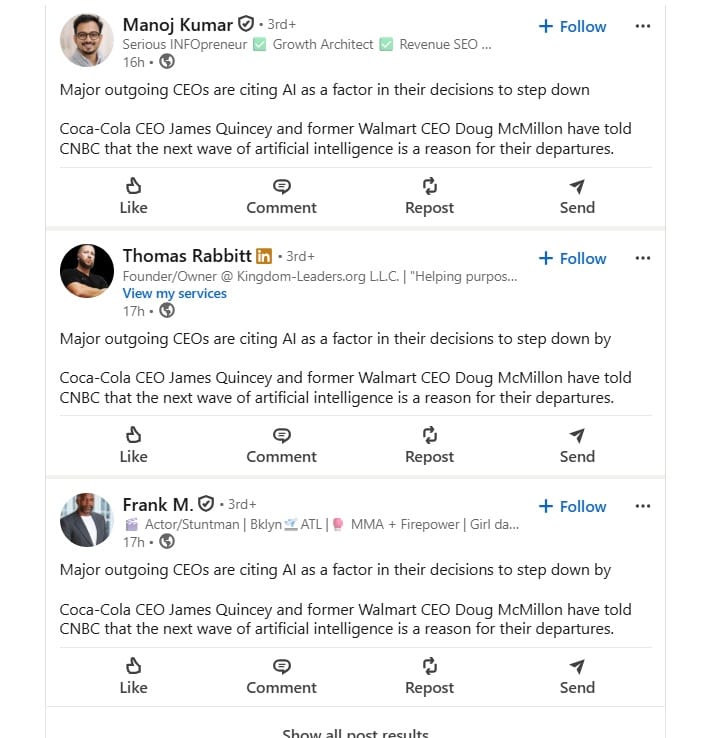
Final Thoughts... Public Reaction
AI CEOs are still a concept in the early stages, as most companies are still just starting with AI. The change is happening now in big companies, and the small ones may follow along. Many have shared their opinions on the issue on LinkedIn, calling the situation a "major issue." James Quincey (of Coca-Cola) clearly stated how he feels about his stepping down and Henrique Braun taking over his role in an interview with CNBC. He said, 'It's the right time for new leadership.' For more updates on the same, keep in touch.
 Avinash kumar mahato