

Deconstructing the Rapido revenue model: How the bike-taxi unicorn makes money
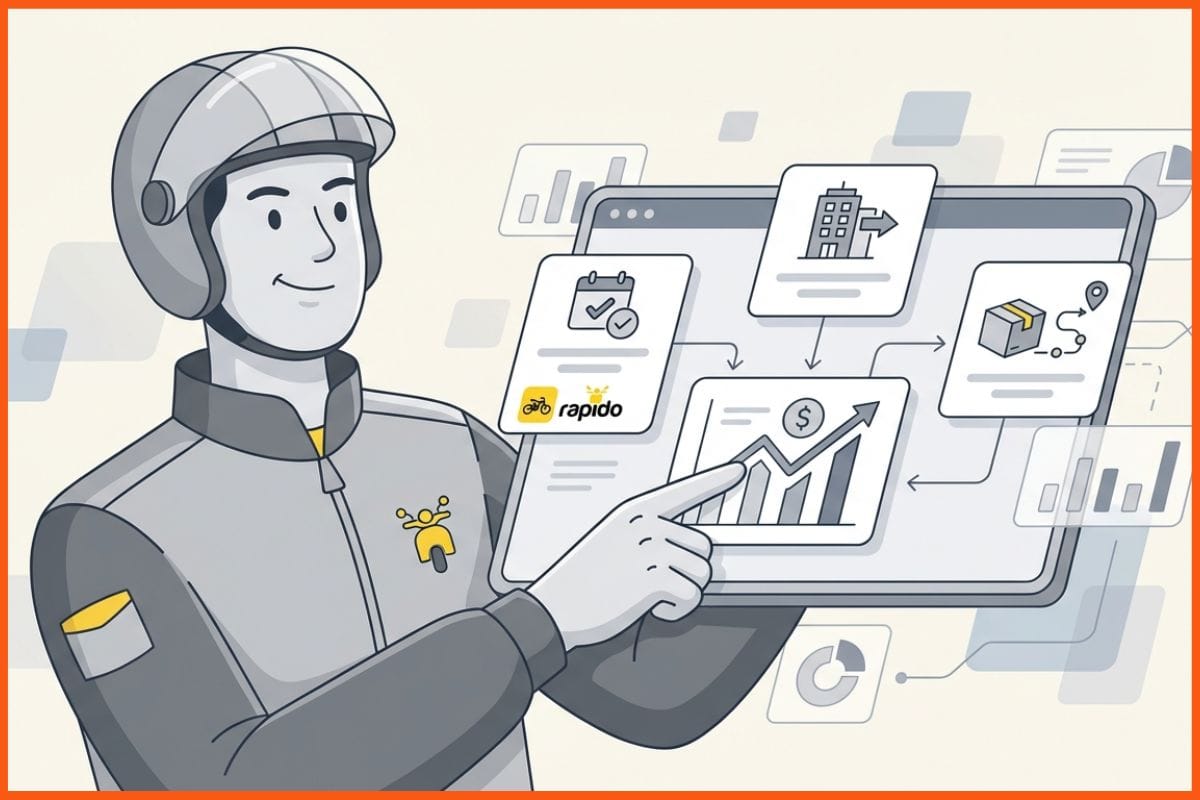
Navigating many Indian cities can be a significant challenge. For a long time, finding a quick and affordable ride was difficult. A new generation of startups is addressing this, and Rapido is a notable example. They officially hit unicorn status in September 2024, which shows their strategy is working. So, how did they pull it off? Let’s break down their business strategy and get into the details of the rapido revenue model.
Understanding Rapido's business model
Before we dig into how Rapido makes its money, it’s helpful to get a handle on its basic business model. At its core, Rapido is a tech-based aggregator platform. You can think of it as a service that connects people needing a ride with riders, known as "Captains," who can provide one.
Founded in 2015 by Aravind Sanka, Pavan Guntupalli, and SR Rishikesh, Rapido decided not to compete directly with Ola and Uber. Instead of cars, they focused on bike taxis.
This was a strategic decision. In India's congested cities, two-wheelers are often the quickest and cheapest way to travel. By focusing on this, Rapido found its own unique spot in the market.
They didn't stop with bikes, though. The company has grown into a broader mobility platform. They added on-demand auto-rickshaw services in October 2020, entered the cab-hailing space in 2023, and even launched parcel delivery services. It’s a familiar startup path: find a way into the market, then expand.
The core pillars of Rapido's strategy
Rapido's success is about more than just bike rides. It’s about how they’ve positioned themselves to succeed in a very tough market. Their strategy is based on a few key ideas that have helped them grow and compete with established players.
An asset-light approach
One of the key aspects of Rapido's strategy was to use an "aggregator" or "marketplace" model. This simply means they don't own any of the bikes, autos, or cabs on their platform. They just connect independent vehicle owners with customers through their app.
This asset-light strategy has some big advantages. For one, it allows for very fast growth. Without needing to buy and maintain a fleet of vehicles, Rapido could launch in over 100 cities much faster and with less money. It also enables thousands of people to become "Captains," giving them a flexible source of income. This is completely different from traditional taxi companies that have to deal with the high costs of owning and managing their own vehicles.
Focusing on tier-2 and tier-3 cities
While major ride-hailing companies were competing for market share in cities like Delhi and Mumbai, Rapido made a strategic choice to target Tier-2 and Tier-3 cities, like Jaipur, Lucknow, and Coimbatore.
Why was this so effective? They found a huge, untapped market. In these smaller cities, two-wheelers are essential for daily transport, but there weren't many organized, app-based services. By getting into these markets early, Rapido built a very loyal customer base with little competition. They weren't just another choice; they were often the only modern and convenient one. This allowed them to build a strong presence across the country and a brand that is known far beyond the big cities.
Affordability as a key strategy
If one thing defines Rapido, it's affordability. From the beginning, their whole plan has been to be the cheapest option for daily travel. This isn't just a marketing line; it's a core part of their business.
For example, their initial fare was a simple base of ₹20 plus ₹3 per kilometer. This pricing made them popular with students and commuters who needed a reliable way to get to college or work without spending too much. Rapido wasn't positioned as a once-in-a-while luxury, but as an everyday transport option. They even introduced a controversial "pricing flexibility" feature, letting customers suggest a slightly different fare. While some criticize it, the company sees it as a way to give both riders and Captains more control within their unique SaaS model.
How the rapido revenue model works
Okay, let's get to the main point. How does Rapido actually make money from all those rides? Over time, they've evolved from a simple commission system to a more complex and multi-layered model. This is where they really differ from the competition.
The shift to a SaaS model
At first, Rapido followed the typical ride-hailing playbook: a commission-based model. They took a percentage (usually 15-25%) from each ride fare. It's a simple system, but it has drawbacks, especially for the drivers.
Then, Rapido did something different. They decided to switch from the commission model to a Software-as-a-Service (SaaS) approach. They first tried this with their cab services and then rolled it out to their auto drivers in February 2024. This was a major change.
Here’s how the new system works: instead of taking a cut from each fare, Captains now pay a small daily or monthly subscription fee to use the platform. After paying the fee, they keep 100% of what they earn from rides. This comparison illustrates the fundamental change in their approach.
- Auto Captains pay a dynamic daily access fee, ranging from Rs 9 to Rs 29.
- Cab drivers pay a subscription fee only after they earn a certain amount (for example, Rs 500 once their monthly earnings exceed Rs 10,000).
This move had significant implications for the market. Co-founder Pavan Guntupalli said the goal was to put maximum earnings back in the hands of the Captains, and it had benefits for everyone:
- For Captains: Their income became more predictable and much higher. They knew their daily cost and kept the rest.
- For Rapido: It created a steady, reliable revenue stream that didn't depend on the number of rides each day.
- For the Market: This created a competitive response from others in the market. Soon after, giants like Uber and Ola began testing similar zero-commission subscription models to prevent their drivers from leaving.
Diversification through B2B services
Any smart business knows not to rely on just one source of income. Rapido is a good example. To build a more stable business, they've added B2B services and on-demand delivery to their offerings.
First is Rapido Corporate. This is their B2B service that provides travel solutions for companies. Businesses can sign up to manage travel for meetings, site visits, or daily employee commutes. Rapido claims this can reduce a company's travel costs by up to 70%. The service offers features like a central corporate wallet, real-time tracking, and easier reimbursement, making it an appealing choice for businesses trying to save money.
Then there's Rapido Local, their parcel delivery service for both businesses and individuals. It allows local shops and people to send documents, food, or other small items across the city. This is a smart use of their existing network of Captains for last-mile logistics. This diversification is effective for two reasons: it brings in a steady income from corporate clients and it keeps their Captains busy and earning, even when there are fewer passenger rides.
Ancillary revenue streams and financial performance
Beyond its main services, Rapido also makes money from its large user base of around 1.7 crore passengers a month. They do this through in-app ads, brand partnerships, and other promotions. While it may not be their biggest source of revenue, these extra streams add to their overall income.
So, what do the numbers look like? Rapido's financial improvement has been quite impressive. Just take a look at their performance in fiscal year 2024.
| Rapido Financials | FY23 | FY24 | YoY Change |
|---|---|---|---|
| Operating Revenue | ₹443 crore | ₹648 crore | ▲ 46.3% |
| Total Expenses | ₹1,172 crore | ₹1,066 crore | ▼ 9% |
| Net Loss | ₹675 crore | ₹371 crore | ▼ 45% |
The numbers are clear. The company not only increased its operating revenue by 46.3% but also managed to reduce its net loss by 45%. This demonstrates a strong focus on careful spending and a clear path toward profitability.
The road ahead: Challenges and opportunities
It's not all easy for Rapido, though. The path forward has its share of challenges.
The biggest issue is regulatory hurdles. The legality of bike taxis has been a persistent problem. In Karnataka, for example, their operations were suspended in April 2025 after a panel recommended a ban, calling the service "illegal and unsafe." They've faced similar legal issues in states like Tamil Nadu, Assam, and Maharashtra. This ongoing regulatory uncertainty makes long-term planning difficult.
Then there's the intense competition. Rapido’s SaaS model was a big move, but the competition is not standing still. As mentioned, giants like Ola and Uber are already trying out similar models. This means the competition for both drivers and customers will only increase.
Finally, there's the pressure to be profitable. A low-cost business model is great for attracting customers, but it requires a massive scale to make a profit. While Rapido has done a great job of reducing its losses, the main goal is still to achieve sustainable profitability.
Despite these issues, there are big opportunities ahead. The move toward electric vehicles could lower costs for Captains, and there's always potential to expand into new services. If they can handle the tricky regulatory environment, their future looks promising.
To get a deeper visual understanding of how all these pieces fit together, the following case study breaks down Rapido's journey and financial strategies in detail.
Embedded iFrameThis video case study explains Rapido's business model, revenue strategies, and growth journey.
Final thoughts: More than just a ride
So, what's the main takeaway? Rapido's success is not a fluke. It's the result of a smart, multi-part strategy that includes a strong focus on affordability, clever market selection, and a truly innovative, driver-focused rapido revenue model.
Their shift from a commission system to a SaaS platform was more than a small change; it was a major shift that changed their relationship with their Captains and put real pressure on their competitors. Combined with their expansion into B2B and logistics, Rapido has built a business model that is both disruptive and increasingly strong. They've shown they are more than just another ride-hailing app; they are a serious competitor with the potential to change urban mobility in India for years to come.