

Bharat Taxi: A Cooperative Revolution in India's Ride-Hailing Sector
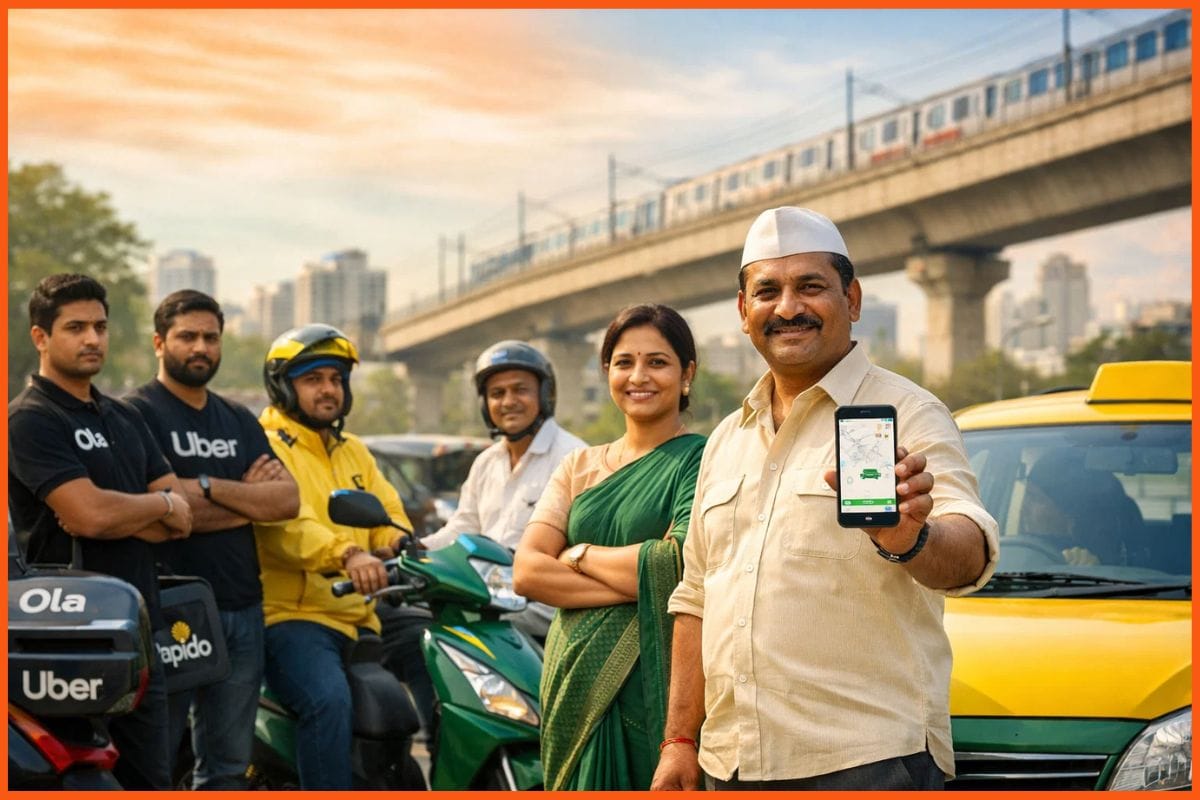
Union Home and Cooperation Minister Amit Shah officially launched Bharat Taxi on Thursday, February 5, 2026, marking a significant shift in India's burgeoning ride-hailing industry. Positioned as the nation's first cooperative-based platform, Bharat Taxi aims to empower drivers by transforming them into co-owners, thereby challenging the conventional gig-economy model prevalent among existing aggregators.
A Driver-Centric Model with Zero Commission
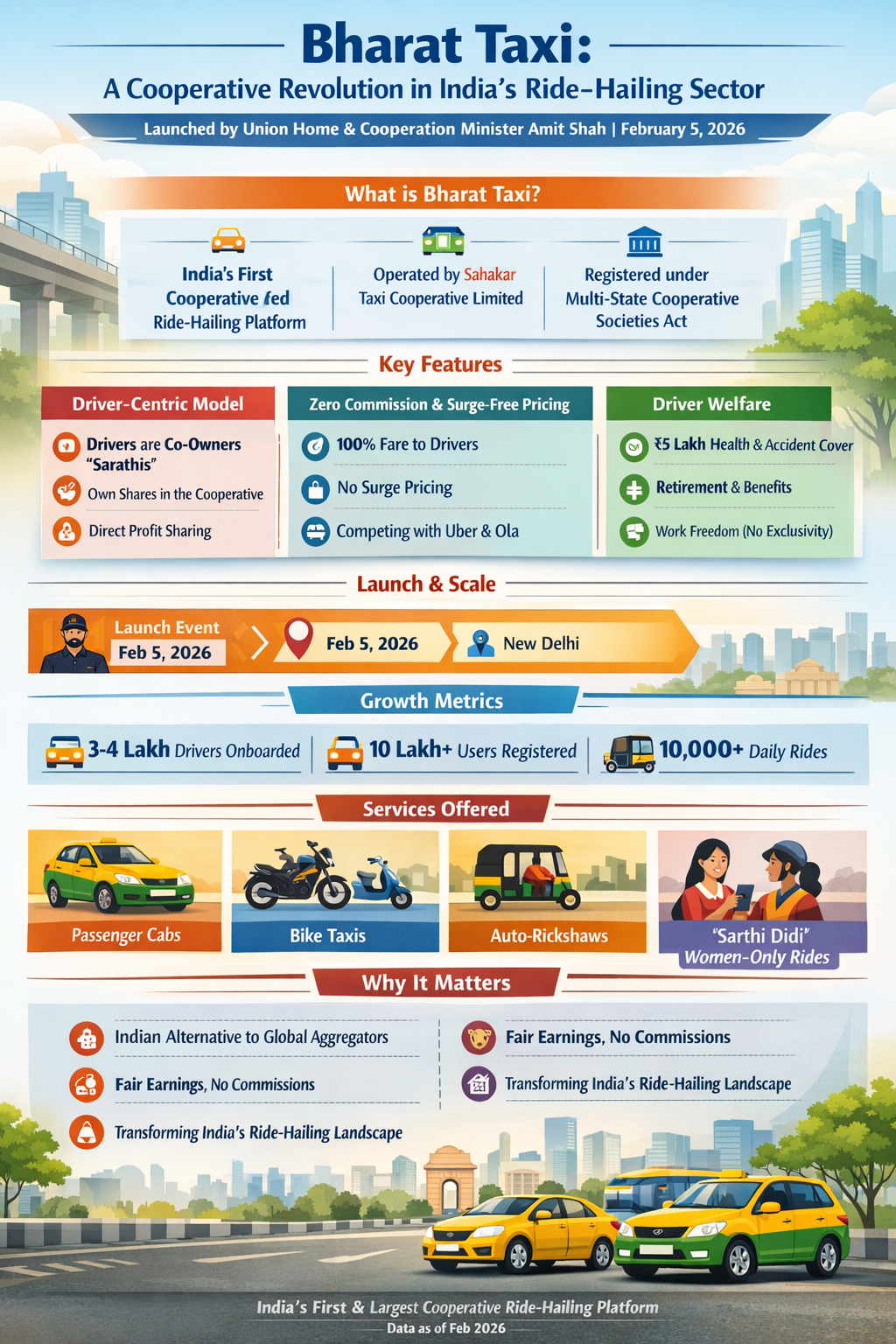
The cornerstone of Bharat Taxi's appeal is its driver-centric approach. Unlike its competitors, the platform operates on a zero-commission model, ensuring that drivers, referred to as 'Sarathis,' retain 100% of the fare displayed on the app. Instead of per-ride commissions, drivers pay a flat daily access fee, reported to be around ₹30. This model is designed to significantly increase driver earnings, a critical factor given ongoing protests by drivers against the alleged irregular wages and regulatory lapses of private aggregators.
Furthermore, Bharat Taxi pledges surge-free pricing, promising more predictable and potentially lower fares for passengers. While initial comparisons show mixed results, with some bike and sedan fares occasionally higher than those of Uber or Ola, the absence of surge pricing is expected to make Bharat Taxi more competitive during peak hours. The platform claims its fares could be up to 30% lower than private competitors due to this model.
Cooperative Ownership and Driver Welfare
Bharat Taxi is managed by Sahakar Taxi Cooperative Limited, embodying a unique cooperative structure where every driver is a co-owner. To participate, drivers are required to purchase a minimum of five shares, totaling approximately ₹500, granting them stakeholder benefits such as dividends, health insurance, accident insurance, and retirement savings. This ownership model is a direct response to the demands for better social security and fairer treatment for drivers in the ride-hailing sector. After a three-year expansion phase, the platform also plans to share profits with its drivers based on a per-kilometer average.
Ambitious Expansion and Diverse Offerings
Initially launched in Delhi-NCR and Gujarat, Bharat Taxi has ambitious plans for nationwide expansion. Minister Shah articulated a vision to extend the service across the entire country, from "Kashmir to Kanyakumari and from Dwarka to Kamakhya," within three years. The platform aims to onboard 100,000 drivers by 2030.
Bharat Taxi will offer a variety of transportation options, including two-wheelers, three-wheelers, and four-wheelers. A notable feature is the "Sarthi Didi" window within the app, which allows women passengers to book rides exclusively with women drivers, enhancing safety and comfort.
Competing in a Dynamic Market
The entry of Bharat Taxi intensifies competition in India's ride-hailing market, currently dominated by giants like Uber, Ola, and Rapido. The government-backed initiative seeks to provide an indigenous alternative, focusing on driver empowerment and transparent pricing. The launch comes at a time when private aggregators have also begun transitioning to a 'no commission' model, requiring drivers to purchase subscriptions or 'driver passes' to continue working on their platforms.
While the cooperative model and zero-commission promise are significant advantages, Bharat Taxi will need to overcome challenges related to market penetration, technological infrastructure, and consistent service delivery to establish itself as a formidable player in the competitive Indian ride-hailing landscape.