China Claims 5% Growth, but Experts Question the Real Strength of Its Economy
- Despite tariff tensions, China's $1.19 trillion trade surplus surpasses expectations. - Internal issues such as the housing crisis, 17.2% fall in property investment, and low consumer spending remain. - Experts doubt the 5% and say the number is likely at least 1.5 percentage points lower.

Joy hits China as the country reaches its growth target, even after many geopolitical situations, trade and tariff war with the U.S. China thanks its $1.19 trillion trade surplus (exports to other countries) for this growth. Despite such promising growth, internal issues still remain, such as the housing crisis, and property investment fell by 17.2% last year.
Plus, the country's population fell by 3.4 million, and the government is working on offering incentives to have more children. That's why experts doubt the official 5% growth figure. What's happening on the ground doesn't match the number. Learn more.
China’s Economy: Exports vs Domestic Situation
Why Is China’s 5% Economic Growth Surprising?
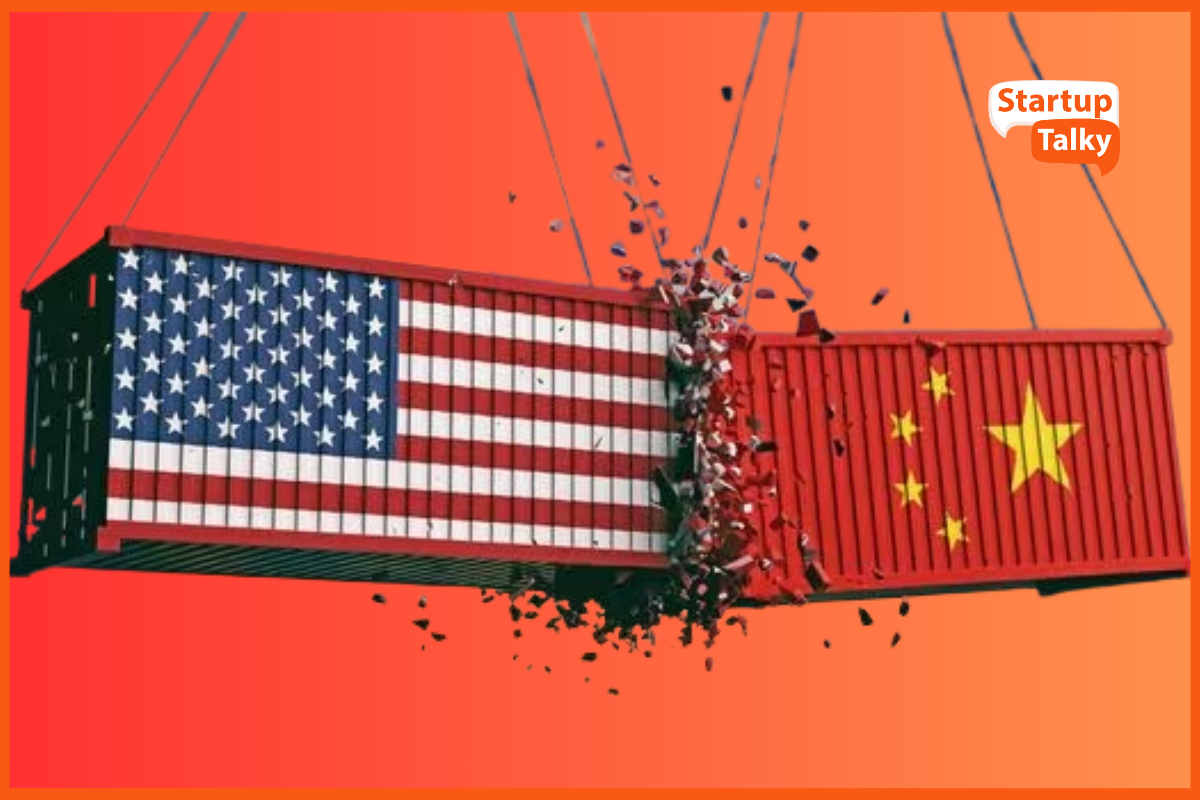
Inside China, people aren't really spending much. Therefore, less business domestically. The housing industry is in deep trouble, with investments dropping by 17.2% last year. House prices fell by 2.7%, and no one wants to invest. On the other hand, President Donald Trump pushed brutal U.S. tariffs on their exports, yet they achieved a massive $1.19 trillion.
It is because China was more determined to sell to countries other than the U.S. It cut the prices and tripled the volume of exports. Experts say that this practice is short-lived and isn't healthy in the long term.
What Is a “Two-Speed Economy” (In China’s Case)?
Experts enunciated that China has two very different economic realities:
- First, their factories and exports are doing well strategically (however, considered not healthy in the long run).
- Second, the county is struggling on the inside with low investment and everyday economic life.
- Lastly, the experts don't fully accept the official 5% figure and say it's likely at least 1.5 percentage points lower.
Final Thoughts...
China’s statistics chief admitted that the economy has a strong supply but a weak demand within. The country is working to maintain a stable growth in the upcoming days. However, it would be interesting to see the number once the U.S. tariff pause lifts in November. For more updates on the same, keep in touch.
 Saksham Mishra