

Strategic Hoarding or Industrial Necessity? Analysing China's Motives Behind the Silver Export Clampdown
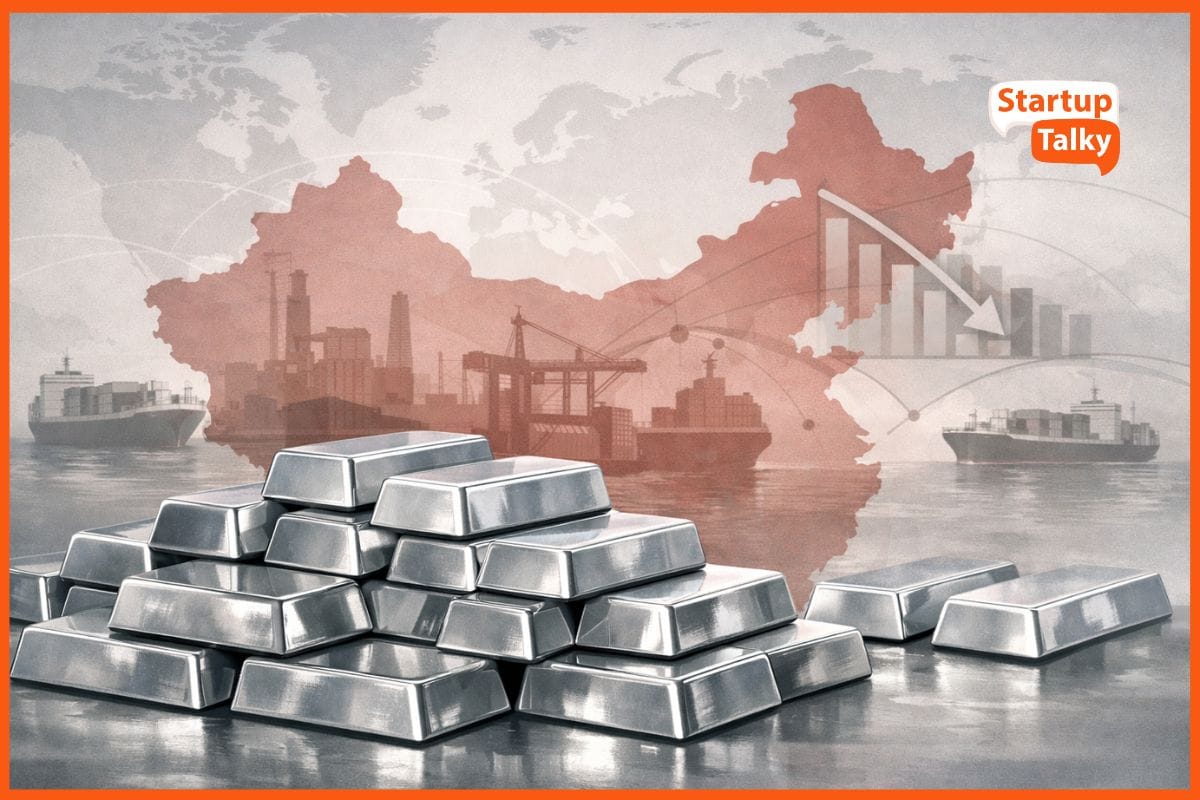
The global silver market is currently navigating a period of profound uncertainty as China prepares to implement stringent new export controls on the metal, effective from 1 January 2026. This policy shift, which replaces the previous quota system with a mandatory export licensing regime, has been widely interpreted by analysts and investors as a significant, if not de facto, clampdown on the flow of a critical industrial commodity.
Silver, often overshadowed by gold, is essential for a host of high-tech applications, making this move a matter of global economic concern. The central question now facing the market is whether Beijing’s decision is a calculated act of strategic resource hoarding or a pragmatic response to an overwhelming domestic industrial necessity.
The Compelling Case for Industrial Necessity
The most persuasive argument for the new policy is rooted in the explosive growth of China’s high-tech manufacturing sector, particularly its dominance in renewable energy. Silver is an indispensable component in photovoltaic (PV) cells, where it is used in the form of silver paste to conduct electricity. As the world’s leading producer and installer of solar technology, China’s domestic demand for silver has soared to unprecedented levels, creating a massive structural deficit.
Data suggests this demand is not merely significant but potentially overwhelming. According to industry estimates, the cumulative silver demand from China’s solar sector alone could reach approximately 783 million ounces over a three-year period. This staggering figure highlights a critical imbalance: China’s domestic mine production, which stood at around 3,300 metric tonnes (approximately 106 million ounces) in 2024, is simply insufficient to meet its own industrial appetite. The country has historically relied on imports and recycled material to bridge this gap, but the sheer scale of the solar boom has changed the calculus.
Furthermore, silver is vital for other high-growth sectors, including electric vehicles (EVs), 5G infrastructure, and advanced medical devices. The pressure from this internal consumption boom has already manifested in the domestic market, with reports indicating that silver traded on the Shanghai Futures Exchange has commanded a notable premium over international benchmarks. By restricting exports, the government is effectively ensuring that its own manufacturers, the engines of its economic growth and technological ambition, have priority access to the raw materials they need to maintain global dominance in green technology.
The Geopolitical Angle: Strategic Hoarding
While industrial demand provides a clear and immediate justification, the policy cannot be divorced from China’s broader geopolitical strategy of securing critical raw materials. The new licensing system is not limited to silver; it also encompasses other strategically important metals such as tungsten and antimony. This grouping suggests a coordinated effort to treat these commodities as national strategic assets, much like the rare earth elements that China has long controlled.
This perspective views the export controls as a form of economic statecraft. By limiting the global supply of silver, Beijing gains significant leverage in international trade and ensures that foreign competitors must either pay a premium or scramble for alternative, less reliable sources. This move aligns with the nation’s "dual circulation" strategy, which prioritises domestic consumption and technological self-sufficiency.
Moreover, this action fits into a discernible pattern of resource accumulation. The nation’s official gold reserves, for instance, have grown significantly, surpassing 2,279 tonnes by the end of 2024.
Securing silver, a metal often referred to as "industrial gold" due to its critical role in modern technology, fits perfectly into this long-term strategy of building national resource resilience and insulating the domestic economy from global supply shocks.
China’s Silver Market Dynamics
The following table summarises the key market forces driving the policy decision:
Metric | Data Point (Approximate) | Implication for Export Policy |
Annual Domestic Production (2024) | 3,300 Metric Tonnes (106M oz) | Insufficient to meet industrial demand. |
3-Year Solar Sector Demand | 783 Million Ounces | Creates a massive domestic supply deficit. |
Policy Start Date | 1 January 2026 | Imminent market disruption. |
Policy Scope | Silver, Tungsten, Antimony | Indicates a strategic focus on critical raw materials. |
Conclusion
Ultimately, the motivation behind China’s silver export clampdown is likely a pragmatic blend of both necessity and strategy. The immediate, undeniable pressure comes from the domestic industrial sector, particularly the insatiable demand from the solar industry. This industrial need provides the perfect, non-controversial rationale for a policy that, coincidentally, delivers significant strategic advantages on the global stage.
By prioritising its own manufacturers, China not only secures its supply chain but also reinforces its position as a global manufacturing powerhouse. For the rest of the world, the new licensing system signals a future where access to silver will be tighter and more expensive, forcing a global reassessment of supply chain vulnerability and the true cost of the green energy transition. The market is not just reacting to a change in policy; it is reacting to a fundamental shift in the global control of a vital resource.
 Adepu Bindu