Copper Hits Multi-Year Highs in 2026: Why the Metal Is Making Headlines Worldwide
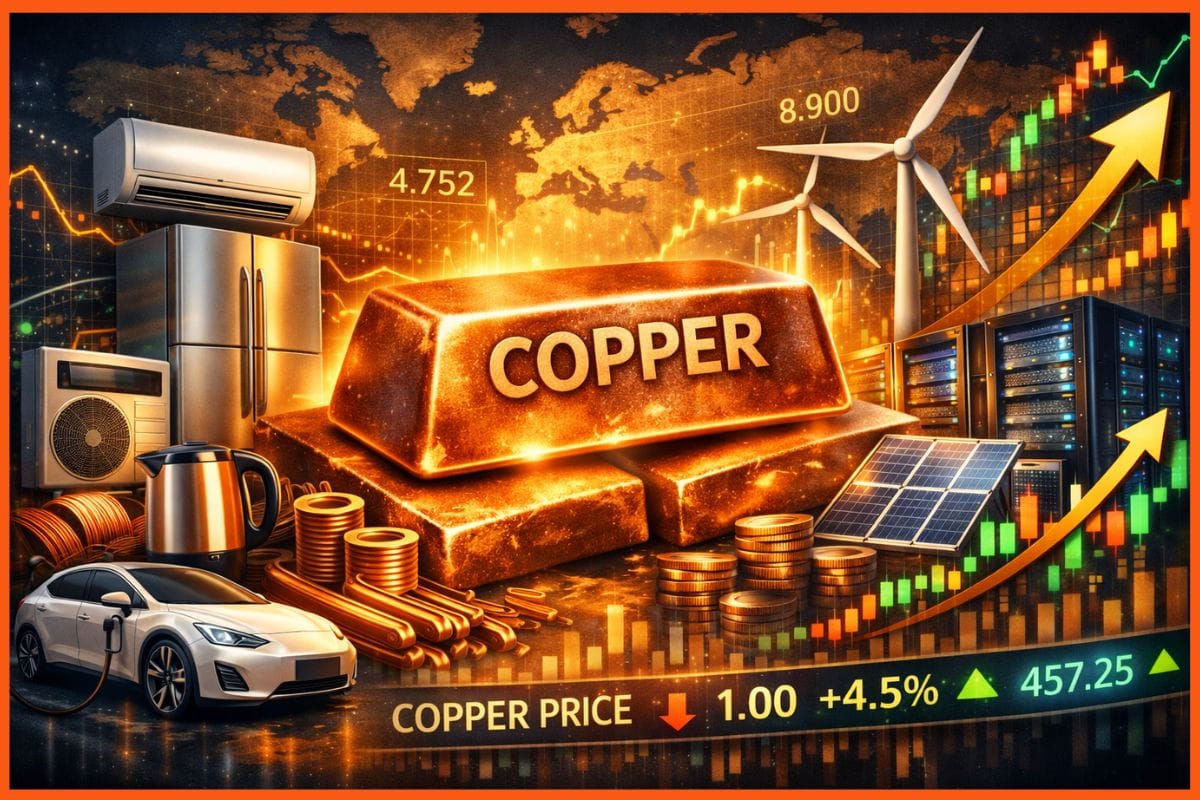
Copper prices have been one of the biggest talking points in global commodity markets so far in 2026. After hitting record levels towards the end of 2025, the industrial metal continues to show strength on major exchanges and is drawing investor interest alongside precious metals such as gold and silver.
Copper Prices Still Strong in Early 2026
On 28 January 2026, copper was trading at around $5.97 per pound, marking continued gains from earlier in the year and a roughly 40 per cent rise versus the same time last year. This follows a period when copper reached records above $13,000 per metric ton on the London Metal Exchange, largely due to tight supply conditions and strong demand.
Markets remain attentive to copper’s price action, as the metal often reflects broader industrial demand. Even though inventories on some exchanges have increased, demand pressures from key end‑use areas keep prices elevated.
Copper Price Comparison (as of 28 Jan 2026)
| Market / Exchange | Current Price | Previous Month Price | Yearly Change | Key Notes |
|---|---|---|---|---|
| London Metal Exchange (LME) | $13,020 / tonne | $12,450 | +4.6% | Prices near historic highs |
| New York COMEX | $5.97 / lb | $5.75 | +3.9% | Investor and industrial demand driving gains |
| MCX India | ₹1,310 / kg | ₹1,250 | +4.8% | Domestic production tight; Hindustan Copper shares rising |
| Shanghai Futures Exchange | ¥56,200 / tonne | ¥54,800 | +2.5% | Strong Asian demand; supply deficit emerging |
Note: Prices are approximate and based on the latest verified market updates.
Why Copper Prices Are Soaring: Demand and Supply Pressures
Several key factors are driving the copper price rally:
- Industrial and Structural Demand: Copper remains essential for infrastructure, electrical grids, renewable energy projects, electric vehicles (EVs) and emerging technologies like artificial intelligence (AI) data centres. These sectors require extensive cabling and components where copper is irreplaceable. Analysts believe ongoing electrification and tech growth will sustain demand through 2026 and beyond.
- Tight Supply Conditions: Disruptions at major mines, slower output growth and longer lead times for new projects have tightened supply. Global forecasts see ongoing deficits between copper demand and available output, especially as demand strengthens in developing economies.
- Comparison with Precious Metals: While gold and silver have also been rising, copper’s price movement reflects more than safe‑haven flows. Its gains are tied to real economic and industrial demand, unlike gold, which often rallies on geopolitical and financial stress. Silver itself has seen strong gains, driven by both investment and industrial needs.
Impact on Markets and Investors
The copper surge is creating ripples across financial markets and corporate stocks:
- Investor Favourites: Metals and mining equities, particularly those linked to copper, have outperformed broader indices. For example, stocks such as Hindustan Copper Ltd have rallied strongly this month, with shares jumping as much as nearly 20 per cent over two sessions and reaching fresh record highs on positive company developments and rising copper prices.
- Mining Wins Boost Shares: Hindustan Copper’s recent surge followed its selection as the preferred bidder for a significant copper block in Madhya Pradesh, India, an event seen as a major growth catalyst by investors.
- Broader Metals Performance: Copper isn’t alone; the metals sector overall has attracted interest, with industrial metals gaining in markets and outperforming many other asset sectors due to strong fundamentals.
Impact on Global Markets and Consumer Goods
Copper’s rise is not happening in isolation. Other metals, such as gold and silver, are also volatile, with precious metals hitting record highs recently on safe-haven demand.
However, copper’s industrial importance means its price movements have direct effects on businesses and consumers. Increased input costs for products like electrical appliances, automobiles and construction materials have led to higher prices for end customers. In India, for example, higher copper costs have made appliances such as air conditioners and refrigerators more expensive, reducing the benefits of recent tax reforms for some buyers.
What Investors Should Know
Market analysts expect that copper demand, driven by energy transition and infrastructure, will remain strong throughout 2026. Some forecasts suggest that aluminium and other industrial metals could also enjoy strong cycles, but copper’s unique role in electrification and tech growth gives it a potentially higher trajectory.
While commodity markets can be volatile, the structural reasons behind copper’s rise from supply deficits to long‑term industrial demand suggest that it could remain a key metal for investors and industries alike in 2026.
 StartupTalky News