

Lottery Out. Wages Over Luck in New Proposal: Trump’s New H-1B Rule Explained
The proposal suggests high salaries to rule the Lottery H-1B selection. The higher the pay, the higher the chances of getting selected. The 5,200 small businesses are forced to pay more...
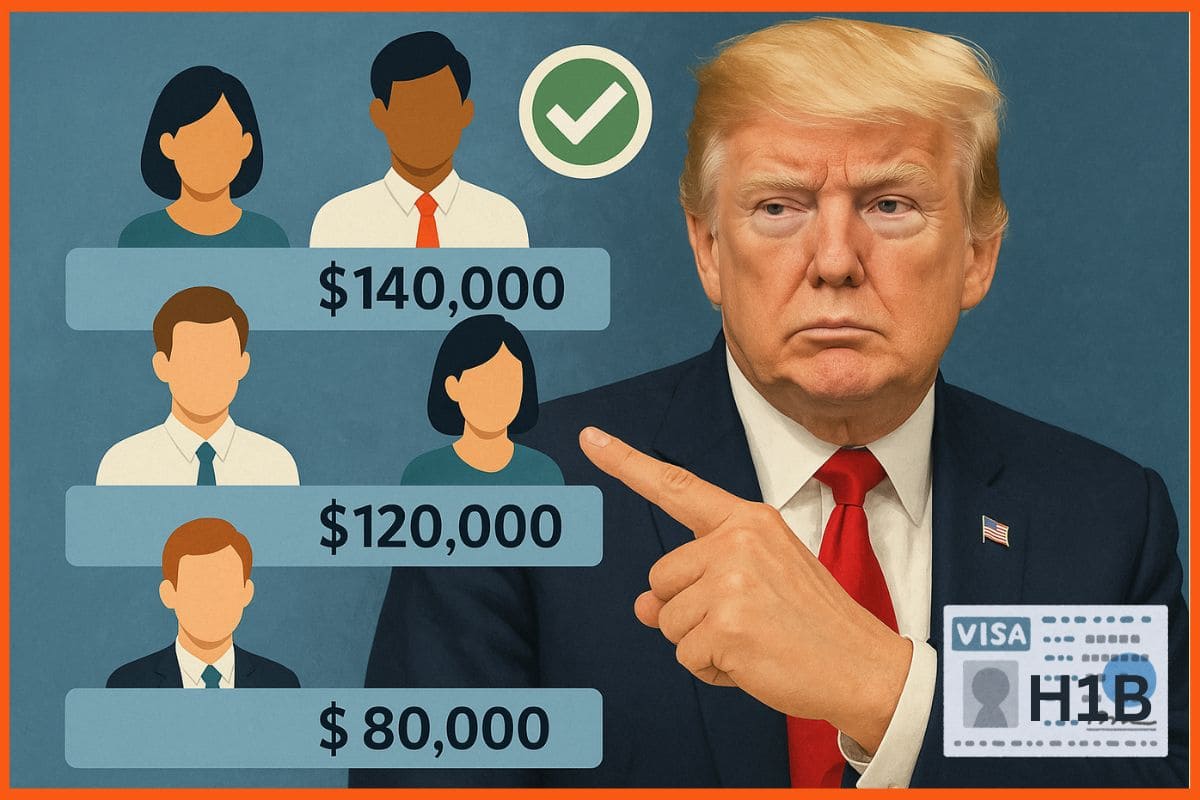
On September 23, 2025, the Trump administration proposed an alternative method for selecting H-1B visa applications. This is a major shift as the decades-old system is put to a halt. Since 2007, the US government has been using a lottery system when more people applied than the annual cap of 85,000 visas. Instead, a wage system will be implemented to prioritise the highest-paying jobs first. This has come to light after the $100,000 H1-B Visa shock. There already exists several confusions with the visa fees, and another is here. So, how will this impact companies and the new applicants? Learn more.
How Would the New System Work?
- In case more people apply (than the actual 85,000 number):
- Applications would be categorised and ranked by the wages offered by the companies.
- Higher-paying jobs will get picked.
- The lower-paying jobs stand no chance.
- The better the pay, the higher the chances of getting selected.
Why Is The Wage System Proposed?
The administration says:
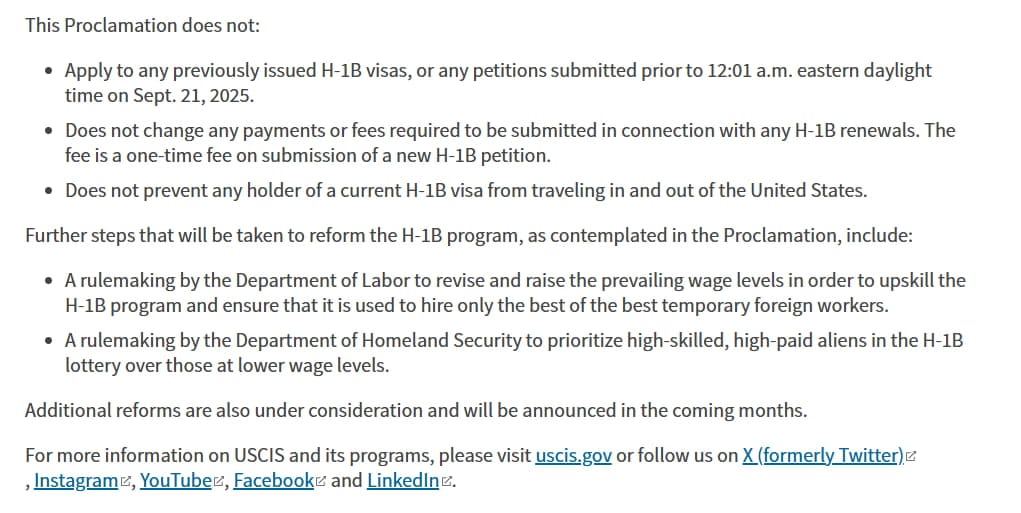
- These strict policies are brought into place to protect the American workers from “unfair wage competition.”
- The policy will prevent companies from hiring foreign workers at low wages.
- And force them to offer more competitive salaries if they want foreign workers.
The $100,000 Fee
- The new suggestion for the lottery system has come to light after Trump announced the $100,000 annual fee for each H-1B visa (On September 19, 2025).
- The panic it caused was massive; many tech companies called their H-1B workers back to the US and asked them not to travel.
- There exists several confusions and fears around the topic (Google employees protested in New York), even after the White House, the fee applies to the new visas.
- However, nothing is final yet. These rules normally take months or years to finalise.
- If everything goes accordingly to plan, the suggested system will replace the 2026 lottery (before March 2026).
The Money Side (Official Estimates):
- Fiscal Year 2026 (starting October 1, 2025): The wages offered to H-1B workers will rise by $502 million.
- Fiscal Year 2027: Wages are expected to rise by $1 billion.
- Fiscal Year 2028: Wages are expected to rise by $1.5 billion.
- Fiscal Years 2029–2035: Wages are expected to total $2 billion.
- According to White House, the US government is expecting the tech giants to pay a lot more for foreign workers.
Who Loses Out?
- The small businesses are going to take a big hit.
- In the US, around 5,200 small companies normally hire H-1B workers. With new policies in place and $100,000 to pay per head, these companies will suffer a significant economic impact.
- Reason: These companies are small and can't afford high salaries.
What Happens Next?
- This proposal comes from the US Citizenship and Immigration Services (USCIS).
- After the proposal is out, the general public will have 30 days to comment, starting on Wednesday, September 24, 2025.
- Once the opinion of the public is gathered, the government will then decide whether to finalise the rule, change it, or drop it.