Reliance Share Price Crashes for Second Day: Venezuela Crisis, Oil Reports and Market Sell-Off
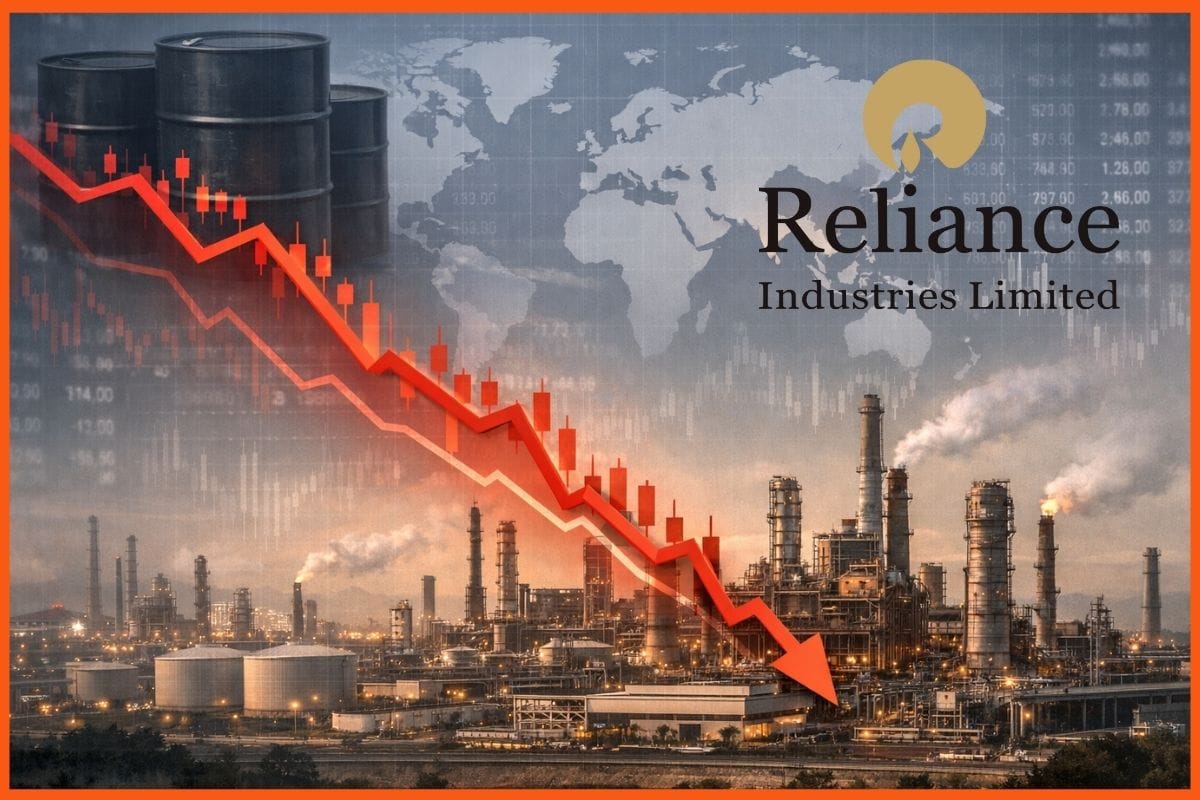
Shares of Reliance Industries Limited (RIL) fell sharply on Tuesday, 6 January 2026, as investor sentiment turned cautious amid global oil market uncertainty and confusing reports around the company’s crude oil supplies. The stock suffered one of its worst single-day declines in recent months, dragging down broader Indian market indexes.
What Happened to Reliance's Share Price?
On Tuesday, Reliance’s share price plunged over 5%, hitting an intraday low of around INR 1,497 on the BSE. This marked the biggest single-day fall since June 2024, with the company’s market capitalisation wiping out nearly INR 1 lakh crore. Heavy trading volumes contributed to the steep decline, and the stock emerged as one of the largest drags on the Nifty 50 index.
Markets had rallied earlier in the week, with the Nifty and Sensex reaching record highs. However, profit-booking by investors and rising concerns about geopolitical tensions pushed sentiment lower on Tuesday.
Geopolitical Tensions and Oil Market Impact
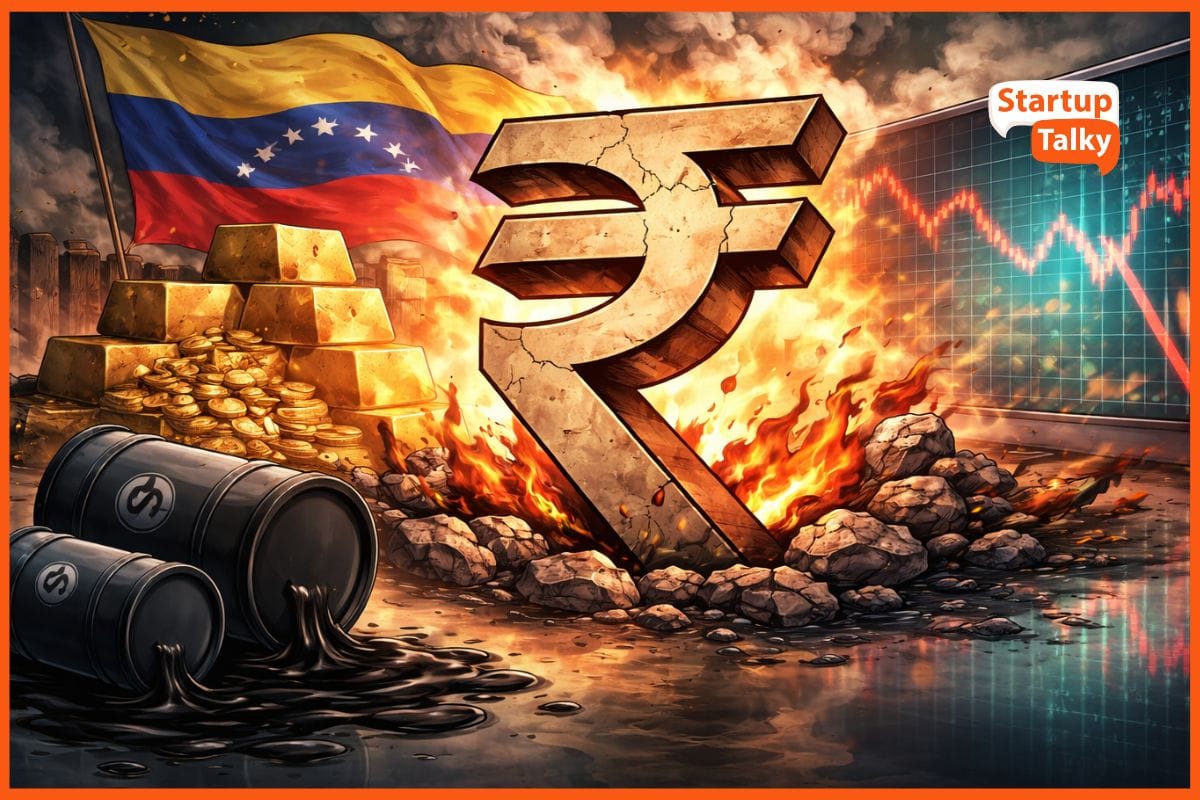
A major reason behind the volatility was heightened global oil market uncertainty following recent events. Over the weekend, the United States conducted military actions in Venezuela, including the arrest of President Nicolás Maduro. This sparked fears of disruption in crude supply, as Venezuela has one of the largest known oil reserves in the world. News of unrest and gunfire around government buildings in Caracas added to the market's nervousness.
Such geopolitical shocks often lead traders to reassess risks associated with oil prices and refinery margins. Analysts suggested that any further escalation could affect refining profits, adding pressure on Reliance’s energy-related business.
Confusion Over Russian Oil Shipments
Another key factor in the sell-off was confusion over reports that Russian crude oil shipments were heading to Reliance’s Jamnagar refinery. A report by Bloomberg, based on vessel tracking data, suggested that three tankers carrying about 2.2 million barrels of Russian Urals crude were en route to the refinery. This triggered speculation that Reliance might be restarting Russian crude purchases.
However, Reliance strongly denied these reports, calling them “blatantly untrue” and stressing that the refinery had not received any Russian oil in the last three weeks and was not expecting any deliveries in January. The company said the inaccurate report was damaging to its reputation.
This denial came amid broader pressure from the United States on India to reduce purchases of Russian crude, with the US threatening higher tariffs if such imports continue.
What It Means for Investors
Market watchers said the recent slide could be driven by short-term sentiment rather than fundamental weakness in Reliance’s business, which also includes strong units like Jio and Retail that are less affected by oil price shifts. Some brokers see this dip as a potential buying opportunity for long-term investors.
In summary, Reliance’s share price fall reflects a mix of profit-booking, geopolitical volatility, and confusion over crude supply reports rather than a clear change in the company’s underlying performance. Investors will be watching closely how oil markets and corporate news evolve in the coming days.
 Adepu Bindu