

Rahul Mehra of Roadcast on AI-Powered Telematics, Safety-First Logistics, and Building Intelligent Mobility Platforms
👨💻 StartupTalkers
StartupTalky presents Recap'25, a series of exclusive interviews where we connect with founders and industry leaders to reflect on their journey in 2025 and discuss their vision for the future.
In this edition of Recap’25, StartupTalky speaks with Rahul Mehra, Co-founder of Roadcast, who reflects on how the logistics and telematics industry is evolving from basic GPS tracking to intelligent, AI-led, connected ecosystems. Mehra shares how growing demands for real-time visibility, safety, compliance, and operational efficiency are reshaping fleet management across India and global markets.
He goes on to discuss how Roadcast is adapting to this shift by expanding beyond enterprise telematics into consumer-focused tracking with Track What Matters (TWM), introducing India’s first Made-in-India AI-powered alcohol breath analyzer integrated with telematics, and strengthening its platform with predictive analytics and automation. The conversation also explores Roadcast’s focus on measurable customer impact, the role of AI in driving smarter logistics decisions, and the company’s roadmap for scaling across enterprise, EV fleets, and B2C segments while building a trust-first, safety-driven logistics ecosystem.
StartupTalky: What service does Roadcast provide? What was the motivation/vision with which you started?
Rahul Mehra: Our company provides advanced real-time tracking and logistics automation solutions that enable businesses to monitor and manage vehicles, assets and workforce while optimising operations. Our platform offers end-to-end fleet management, route optimization, and delivery tracking. AI telematics and real-time alerts improve visibility, efficiency and safety. It is designed for both enterprises and real-time alerts to improve visibility, efficiency, and safety. Designed for both enterprises and individuals, we enable organisations to automate dispatch, enhance driver safety, and make smarter decisions through connected data and analytics. Our company was founded with a vision to transform the logistics sector by harnessing GPS, IoT, and predictive technologies to simplify complex operations, reduce costs, and empower businesses with scalable automation tools.
StartupTalky: What new services have been added in the past year? What is/are the USP/s of your service?
Rahul Mehra: Over the past few years, we have expanded our services beyond telematics and fleet tracking. We launched our new product TWM (Track What Matters), a D2C tracking platform that covers vehicles, pets, children, elderly family members and personal safety tools under one app, broadening its reach beyond enterprise use. Not just this, we also introduced India’s first Made in India alcohol breath analyzer integrated with its telematics unit to prevent drunk driving and enhance workplace safety, and rolled out advanced fuel sensor solutions to optimise fuel efficiency and operational efficiency for logistics operators. These services reflect our commitment to innovation and broader market utility.
StartupTalky: How has the industry you are in changed in recent years and how has your Roadcast adapted to these changes?
Rahul Mehra: Over the last few years, the telematics and tracking sector has gone through a significant transformation. The industry has moved beyond mere GPS-based vehicle monitoring to the adoption of unified, data-driven solutions leveraging AI, IoT and cloud analytics and providing real-time insights. Today, fleets invest heavily in predictive analytics, driver behaviour monitoring, video integration, and the use of automated operations to achieve their goals of efficiency, safety, and compliance. Digitisation, the adoption of subscription-based SaaS, and a shift toward connected logistics platforms are some of the factors that are rapidly driving the global vehicle tracking market. Roadcast has taken the necessary steps to remain relevant during the industry upheaval by broadening its platform to include more intelligent telematics, consumer-centric tracking (Track What Matters), the integration of safety features, and advanced analytics.
StartupTalky: What key metrics do you track to check the company's growth and performance?
Rahul Mehra: We track both business and customer-impact metrics. Key indicators include ARR growth, enterprise customer retention, platform adoption across modules, and deployment scale. On the customer side, we closely monitor metrics like fuel cost reduction, KMPL improvement, on-time delivery percentage, pilferage incidents prevented, and asset utilisation. These outcomes validate whether we are delivering real value not just selling software, but driving measurable operational improvement.
StartupTalky: What were the most significant challenges your company faced in the past year, and how did you overcome them?
Rahul Mehra: One of the biggest hurdles that we faced was adapting our technology to different locations while at the same time trying to meet the rising requirements regarding safety, compliance, and operational efficiency. Logistics companies were demanding more and more real-time visibility, regulatory alignment, and driver accountability, sometimes in very different fleets and markets. Roadcast answered this call by making its IoT-led SaaS platform more robust, enhancing analytics, and increasing AI-driven capabilities to support reliability at scale. The introduction of the Made-in-India AI-powered Alcohol Breath Analyzer was another step taken to meet the increasing demand for safety and compliance. Still, by constantly improving its platform and linking innovation with actual operational pain points, Roadcast managed to serve customers and at the same time take the scaling initiative in a responsible manner.
StartupTalky: What are the different strategies you use for marketing? Tell us about any growth hack that you pulled off.
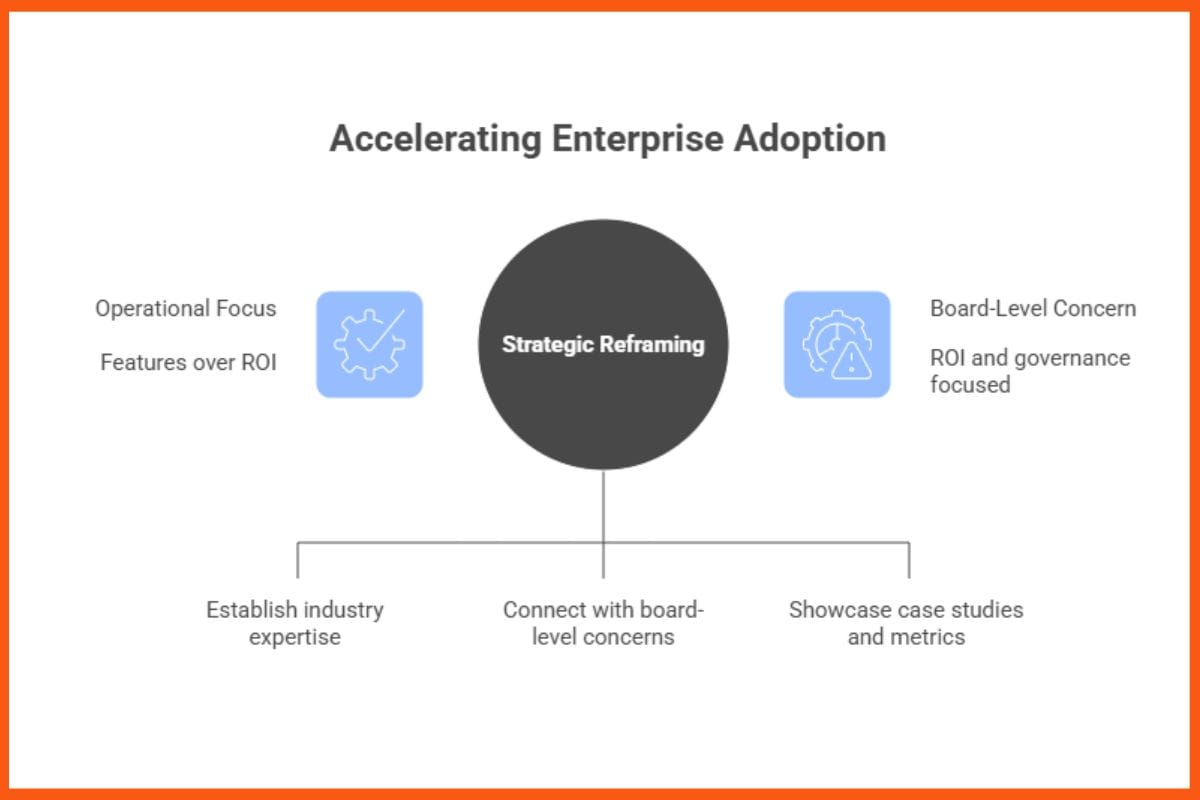
Rahul Mehra: Our marketing focuses on thought leadership, enterprise storytelling, and proof-based selling. We rely heavily on case studies, performance metrics, industry content, and product-led demos. One effective growth lever has been positioning compliance, fuel loss prevention, and safety as board-level concerns rather than operational issues. By reframing conversations around ROI and governance instead of features, we have accelerated enterprise adoption and shortened sales cycles.
StartupTalky: What are the important tools and software you use to run your business smoothly?
Rahul Mehra: We use a mix of enterprise-grade tools across functions CRM systems for sales and customer lifecycle management, analytics platforms for performance tracking, collaboration tools for cross-team alignment, and robust cloud infrastructure for platform reliability. Internally, we rely on data dashboards to track customer outcomes, system health, and deployment performance. Automation and monitoring tools play a key role in maintaining uptime and scalability.
StartupTalky: What opportunities do you see for future growth in your industry in India and the world? What kind of difference in market behavior have you seen between India and the world?
Rahul Mehra: India and the global markets are moving to a stage where logistics are assessed on the basis of safety, compliance, visibility, and intelligence, not merely on speed and cost. This development bodes very well for the AI-led fleet management, connected driver ecosystems, and IoT-powered supply chain platforms to grow strongly. In India, the demand comes from scale, regulatory compliance, cost efficiency, and the speedy development of e-commerce, food delivery, and electric vehicles. On the other hand, in the advanced logistics markets worldwide, customers put a lot of emphasis on predictive analytics, sustainability, and advanced safety systems. While businesses in India are implementing solutions to bring their operations into the formal sector, the global markets are primarily concerned with optimisation and risk reduction, which are the objectives we are increasingly aligning with.
StartupTalky: How are you using AI, whether in service delivery, internal processes, or customer experience, and what impact has it created?
Rahul Mehra: At Roadcast, AI is central to our operations, powering route optimisation, predictive demand and real-time fleet monitoring. For service delivery, it ensures timely, efficient logistics by dynamically adjusting routes and resources. AI enables planning, inventory allocation, and performance analytics, boosting operational efficiency. For customers, it enhances transparency through real-time tracking and predictive insights. This is the impact AI has created, and we position ourselves as a data-driven logistics company.
StartupTalky: How do you plan to expand the Customers, service offering, and team base in the future?
Rahul Mehra: We plan to deepen our presence within existing enterprise accounts while expanding into new verticals like EV fleets, public infrastructure, and large-scale last-mile operations. On services, we’ll continue adding intelligence layers automation, predictive insights, and tighter integrations. Team expansion will focus on product, analytics, and customer success to support scale. Our growth strategy is rooted in solving harder, higher-value enterprise problems. We have also made a strong foray into B2C services.
StartupTalky: One tip that you would like to share with another Service company founder?
Rahul Mehra: Founders, especially in the service sectors, demand discipline, a long-term vision, and patience. They have to spend time in understanding the ecosystem where they are operating very deeply, its difficulties, customers, and operational dynamics, and at the same time, they have to build their own capabilities. The founder should pay attention to developing solutions that not only generate value but also provide some level of certainty for your clients. The combination of operational efficiency with real-time insights not only addresses the problems of today but also helps to build trust and loyalty in the long run, which transforms service delivery from a cost centre to a strategic advantage. Another thing that is just as important is to keep listening to your customers and to always tweak your solutions to their changing demands. Customer impact should always be the guiding factor for innovation, and a little bit of improvement in visibility, reliability, and responsiveness can have a big impact on your company's performance.
Explore more Recap'25 interviews here.