

Aayush Jindal of Asian Footwears on Scaling Affordable Innovation, Omnichannel Growth, and Building a Trust-Driven Indian Footwear Brand
📝Interviews
StartupTalky presents Recap'25, a series of exclusive interviews where we connect with founders and industry leaders to reflect on their journey in 2025 and discuss their vision for the future.
In this edition of Recap’25, StartupTalky speaks with Aayush Jindal, CEO of Asian Footwears, who reflects on leading one of India’s most recognisable footwear brands through a phase of rapid expansion, digital transformation, and evolving consumer expectations. Building on a legacy founded in 1994 with the vision of delivering high-quality footwear for the Indian masses, Jindal shares how Asian Footwears continues to balance affordability with innovation while serving millions of customers across India and beyond.
He goes on to discuss how the brand has adapted to shifts in consumer behaviour through early e-commerce adoption, omnichannel retail expansion, and the integration of AI and data analytics across design, manufacturing, and supply chains. The conversation also explores Asian Footwears’ approach to customer retention, regional market localisation, loyalty programs, and brand storytelling through its “Go Chase” philosophy, as well as the company’s roadmap for future growth across new SKUs, international markets, and sustainable, technology-led footwear solutions.
StartupTalky: What products does Asian Footwears company sell? What was the motivation/vision behind starting Asian Footwears?
Aayush Jindal: Asian Footwears designs and manufactures a wide range of affordable sports, casual (lifestyle) and school shoes, as well as open footwear (sandals and slippers). Over the years, we’ve introduced adjacent lines — even sneaker-care kits and branded apparel — to complement our core footwear business. Our founding vision (since 1994) was to create “high-quality footwear for the Indian masses,” filling a gap between low-cost unbranded shoes and expensive international brands. We adopted the tagline “Go Chase” to capture our mission: empowering customers to chase their goals and dreams. In practice, this means offering contemporary designs and best-in-class comfort at value-driven price points. Today, we have thousands of styles tailored for different age groups and uses, continually refreshed based on customer feedback. As a second-generation leader, we plan to use AI based tools extensively for our next phase of growth.
StartupTalky: What new products/features were added in the past year? What are the unique selling points (USPs) of your products?
Aayush Jindal: We constantly update our portfolio with on-trend and tech-enhanced footwear. In the last year we launched several premium sneaker lines – for example, the Quantum 2.0 signature collection – endorsed by our brand ambassador M.S. Dhoni. Apart from Quantum 2.0, our other collections include, Hyper Cushion and PowerKick running shoes, a Wonder Walk walking range, and the Mojo premium sneakers. These were designed in-house in our state-of-the-art facility to offer a global fashion aesthetic with unbeatable comfort and durability. Our USPs are clear: we deliver high-tech cushioning and trendy designs at accessible prices. As one analyst notes, at around INR 1,500, our shoes “offer amazing comfort, durability, and style,” which resonates strongly with customers. In short, Asian Footwears stands out by combining innovative materials and ergonomics with eye-catching styling, all backed by rigorous quality testing (BIS-certified lab) – a compelling value proposition for the price segment we serve.
StartupTalky: How has the footwear industry changed in recent years and how has Asian Footwears adapted?
Aayush Jindal: The footwear industry has seen rapid digitisation and consumer sophistication. Online and mobile shopping have become pervasive, so brands must be omnichannel. At Asian Footwears, we were early to adapt: we listed on eBay and Snapdeal in 2010 and on Flipkart and Amazon by 2015. Today we sell through our own D2C site and major marketplaces (Flipkart, Amazon, Myntra, etc.), while also maintaining a vast offline presence (~40,000 multi-brand outlets and dozens of exclusive brand stores). We aim to expand our retail footprint aggressively (aiming for 100 exclusive stores and 100,000 total outlets by FY26) to capture growth in tier-2/3 India.
Technologically, we’ve embraced AI and data analytics to stay ahead. The company is integrating 25–30 years of consumer data into AI-driven design and supply-chain tools. This speeds up product development and helps us tailor styles to regional tastes. Sustainability and “Make in India” initiatives have also become important. We now source all raw materials domestically and support local manufacturers, aligning with government initiatives. In marketing, we engage consumers directly via social media, influencers, and experiential campaigns (e.g. M.S. Dhoni’s Go Chase launch). In short, we adapted by investing in digital capabilities, optimising our supply chain for resilience, and using an omnichannel approach so that customers can interact with us wherever they shop.
StartupTalky: What key metrics do you track to measure the Asian Footwears growth and performance?
Aayush Jindal: We monitor a balanced set of financial, operational and customer metrics:
- Revenue and Volume Growth: We track top-line sales growth (we target ~30–40% annual increase).
- Profit Margins: Even as we grow volumes, we keep an eye on gross and EBITDA margins to ensure sustainable profitability.
- Retail Footprint: The number of outlets carrying our brand (exclusive stores + multi-brand shops) is a key gauge. For example, we plan to double our exclusive brand outlets to 100 and reach ~100,000 total retail outlets by FY26.
- E-commerce Metrics: Online traffic, conversion rate, average order value, and the split between online/offline sales (currently ~45% of revenue comes from digital channels) help us assess market reach.
- SKU and Inventory KPIs: Sell-through rates per SKU, inventory turns, and stock-out frequency ensure our product range is optimised.
- Customer-Centric Metrics: We measure repeat-purchase rate (to monitor churn) and customer lifetime value. High repeat-buy rates indicate strong engagement. We also track digital engagement (social media interactions, app downloads, etc.) as a proxy for brand affinity.
By combining these metrics, we keep a holistic view of growth, ensuring that scaling up our network and product assortment is reflected in improved sales, market share and customer loyalty.
StartupTalky: What were the most significant challenges Asian Footwears faced in the past year and how did you overcome them?
Aayush Jindal: One major challenge was maintaining affordability while scaling up innovation. As Chairman Rajinder Jindal noted at our recent product launch, our goal is “to bring world-class designs to Indian consumers at accessible prices”. To meet this, we invested heavily in new capacity – adding two manufacturing units (10 million pairs) – and optimised our supply chain. By sourcing 100% of raw materials locally and improving efficiencies, we kept costs down so we could introduce premium features without pushing up prices.
Another challenge was balancing heritage with fresh appeal. Our brand has a loyal base that values classic styles, while the younger demographic demands bold, trendy designs. We overcame this by phasing in new collections alongside timeless lines. For example, we launched the advanced Quantum 2.0 range (vibrant, tech-driven sneakers) while continuing staple walking and sports models. Branding and marketing bridged the gap: our “Go Chase” campaign with MS Dhoni tied new-age energy to our long-standing comfort ethos, so both legacy and new customers resonated with our message.
Finally, distribution expansion was challenging. We aimed to grow rapidly in smaller cities, which required building dozens of new distributor relationships. We tackled this by mobilising on-ground teams and offering incentives, enabling us to plan network growth from ~30,000 to 100,000 outlets. Throughout, we remained customer-centric, using loyalty feedback and sales data to navigate these shifts. In summary, aligning our investments (INR 100+ crores in expansion) with lean operating practices helped us turn these challenges into stepping stones for growth.
StartupTalky: How do you keep customers engaged and reduce churn?
Aayush Jindal: We keep customers engaged by consistently delivering value and building an ongoing relationship. First, product innovation and range refreshes are key: new colours, technologies, and styles give customers fresh reasons to return. We strive to release several new designs or collections each season, catering to evolving tastes (such as brighter colour-block sneakers or performance lines).
Second, brand experience and engagement matter. Our association with M.S. Dhoni creates a strong emotional bond with young adults, reinforcing pride in the brand. We regularly interact with customers on social media (contests, UGC campaigns, and community events) to keep them involved. After they make a purchase, we follow up with relevant content (e.g. care tips, training advice) and personalised offers, making them feel valued.
Third, we emphasise our “good value” promise. In India’s price-sensitive market, customers remember when they feel they got more than expected – whether it’s extra durability or comfort. By repeatedly fulfilling this promise, we build trust that keeps customers coming back. In sum, it’s a mix of continuously surprising them with great products, engaging them with our brand story, and rewarding their loyalty that minimises churn.
StartupTalky: What customer retention initiatives or loyalty programs have proven successful for your brand?
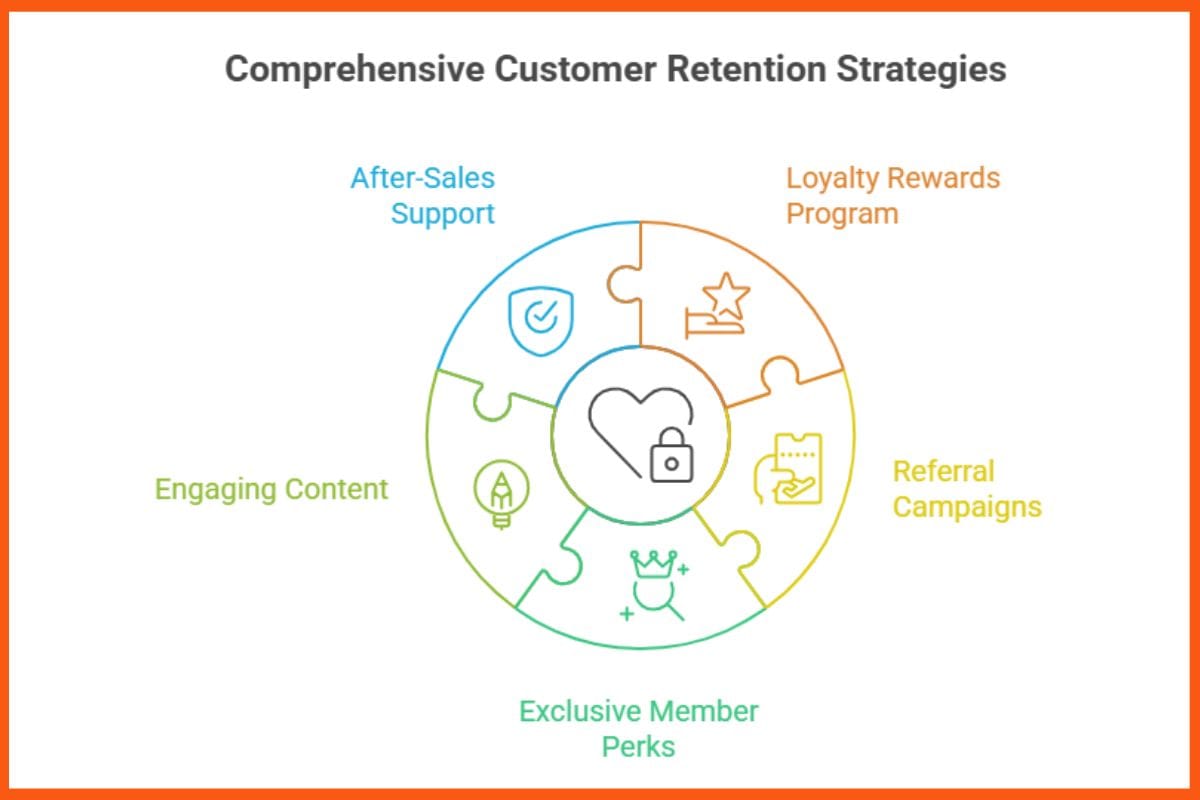
Aayush Jindal: We employ several targeted retention strategies:
- Loyalty Rewards Program: We have instituted a points-based loyalty club (Asian Advantage) where repeat purchases earn points redeemable as discounts or vouchers. Members also receive early access to new collections and festival sales.
- Referral/Influencer Campaigns: Customers are incentivized with coupon codes and rewards for referring friends or sharing on social media. This both retains existing buyers and brings in new ones.
- Exclusive Member Perks: Loyal customers get birthday gifts, member-only promotions, and invites to special events (like product launch previews or training clinics). This VIP treatment fosters a sense of community and privilege.
- Engaging Content and Community Building: We run regular contests (for example, design challenges or fitness story contests) that reward winners with store credits. Encouraging user-generated content turns our customers into brand advocates.
- After-Sales Support: Providing hassle-free exchanges/returns and customer care builds goodwill. For example, we follow up on key purchase cycles (school re-openings, sports seasons) with targeted offers to remind customers of new gear.
These initiatives, combined with our core product value, have significantly improved retention. Our customers often tell us they keep returning because they feel appreciated and see tangible rewards for their loyalty.
StartupTalky: What marketing strategies do you use? Have you executed any notable growth hacks?
Aayush Jindal: We use a multi-pronged marketing mix blending brand-building, digital outreach, and experiential tactics. A signature campaign is “Go Chase” – notably featuring MS Dhoni – which we rolled out across TV, digital and in-store channels. This high-profile campaign amplifies our brand values (aspiration, passion) and has given a big boost to our visibility among youth. On the product side, launches of lines like PowerKick and Quantum 2.0 are supported by demo events and influencer reviews highlighting their comfort technology.
Digitally, we run targeted ads on social and search platforms, but we complement paid media with strong content marketing: fitness and style blogs, video tutorials, and athlete/end-user stories that resonate with our audience. We are active where GenZ hangs out – on Instagram, YouTube, and even platforms like quick-commerce apps – and use data analytics to optimise campaigns in real time.
As for growth hacks, one example is our early adoption of emerging channels. We were among the early footwear brands on quick-commerce (e.g. Zepto, Instamart) when those platforms launched, giving us front-row access to impulse buyers. We also experimented with campus ambassador programs at universities to build word-of-mouth. Finally, we leverage our e-commerce expertise (having listed on marketplaces since 2010) to run flash sales and bundle deals online that spike interest. All these efforts together – emotional brand storytelling, digital engagement, and creative distribution – have accelerated our growth beyond traditional advertising.
StartupTalky: What tools and software are critical for running your business smoothly?
Aayush Jindal: We rely on a suite of specialised tools across functions:
- ERP & SCM Software: We use an enterprise resource planning system (for example, SAP or a local equivalent) to manage inventory, production planning and logistics. This ensures our factories and warehouses are tightly coordinated.
- Design & Development Tools: Our R&D team uses CAD and 3D modelling software to create and iterate shoe designs. We’ve also invested in Product Lifecycle Management (PLM) software to track development timelines and costings.
- AI and Analytics Platforms: We have recently launched an AI-driven analytics platform. In fact, we’re “integrating 25–30 years of consumer data with AI” to fine-tune design decisions and supply-chain efficiency. This lets us quickly analyse trends and customer feedback to steer new product development.
- CRM & Marketing Tools: For customer engagement, we use a CRM to manage leads and loyalty program members. Marketing tools include email campaign software, social media management, and Google Analytics for our website.
- Collaboration & Productivity: Internally, we operate software suites for team collaboration. Project management tools keep cross-functional teams aligned on launches.
All these technologies create an integrated ecosystem. For example, our e-commerce platform is connected via APIs to marketplaces (Flipkart, Amazon), so orders and inventory sync automatically. Continuous investment in these tools has made our operations scalable as we grow (soon to hundreds of stores and digital touchpoints).
StartupTalky: What opportunities do you see for future growth in your industry in India and globally?
Aayush Jindal: The outlook is very encouraging. Global forecasts project the footwear market to rise from about $464 billion in 2024 to nearly $790 billion by 2032 (CAGR ~6.9%). India, with its growing middle class and youth population, is one of the fastest-growing segments. Government measures (e.g. reducing GST on sub-₹2,500 shoes to 5%) are making branded footwear more affordable. We see huge opportunity in expanding within India’s mid-market – especially in Tier II/III cities and smaller towns, where branded footwear is still gaining ground. Our planned expansion into these regions (up from ~40,000 outlets to 100,000) taps this underserved demand.
Globally, there’s demand for stylish yet affordable Indian-made footwear. We are already selling online to the USA and the Middle East, and plan to open dedicated stores abroad. Emerging trends like smart footwear (wearable tech in shoes), 3D-customised insoles, and sustainable materials also present new frontiers: we’re investing in eco-friendly product lines and exploring partnerships for embedded electronics.
In summary, rising health/fashion consciousness and higher spending power in India, combined with the globalisation of retail, give us a strong tailwind. By leveraging our Make-in-India manufacturing base and aspirational branding, we aim to capture a much larger share of both domestic and export markets in the coming years.
StartupTalky: What differences have you seen in market behaviour across different states in India?
Aayush Jindal: While our core brand values and pricing are consistent nationwide, we do observe regional nuances. Consumers in Tier-II/III cities (often in North/Central India) have shown exceptionally high conversion rates when introduced to branded footwear. In fact, we are focusing our new store rollouts in states like Uttar Pradesh, Haryana, Punjab, Himachal Pradesh, Delhi, Rajasthan and Gujarat, where demand is surging. These customers value the comfort and style we offer and quickly adopt new designs.
By contrast, metro-area customers have broader choices and are more style-savvy, so competition from international brands is higher. We tailor our approach accordingly: in metros we might launch trend-driven collections (like high-top sneakers) first, whereas in non-metros we emphasise dependable, classic categories (walking/running shoes, school shoes) that deliver proven value.
Climate and culture also play a role. In warmer southern and coastal regions, open footwear and lightweight designs sell better, so we promote those more. In northern states, we find higher demand for insulated sports shoes suitable for cooler weather or indoor sports. Festival and fashion trends can vary by region, so our marketing copy and colour palettes are adapted (for example, certain bright colours or motifs for particular markets).
Overall, the key is localisation: we use regional language ads, enlist local influencers, and stock our stores with products that align with local tastes. This balanced pan-India strategy (maintaining a unified brand image but customising execution) has worked well in capturing diverse consumer segments.
StartupTalky: What lessons did your team learn in the past year, and how will these inform future plans and strategies?
Aayush Jindal: The past year reinforced several important lessons:
- Data & Technology Drive Success: We learned that early investment in digital infrastructure pays off. Our long-term decision to embrace e-commerce early has set the stage for data-driven growth. Moving forward, we will deepen this by using analytics and AI (as noted in our 25+ year data integration) to constantly refine products, pricing, and marketing.
- Agility is Crucial: Market conditions change rapidly (consumer tastes, macro factors). Our team saw that nimbleness—quickly iterating on designs and campaigns based on real-time feedback—is a competitive advantage. We plan to institutionalise shorter development cycles and a test-and-learn culture.
- Brand Authenticity Matters: The positive response to campaigns like “Go Chase” showed us that a clear, inspiring brand narrative creates loyalty. We will continue to reinforce our core message (supporting customers’ journeys) in all we do.
- Omnichannel Coordination: Syncing online and offline operations is essential. We learned to streamline inventory and promotions across channels (e.g. using click-and-collect, unified pricing). In the future, we’ll further integrate our supply chain so that a customer’s experience is seamless, no matter where they interact with us.
- Focus on Team and Culture: Rapid expansion exposed the need for strong cross-functional collaboration. We realised that aligning all departments (design, sales, marketing, manufacturing) on our goals is vital. Thus, we will invest more in staff training (e.g. upskilling on digital tools) and in fostering a culture of open communication.
These lessons inform our strategy: we will stay customer-centric, leverage tech to scale efficiently, and build an adaptable organisation. By continuously learning and iterating, Asian Footwears aims to stay ahead of trends and keep growing sustainably.
StartupTalky: How do you plan to expand the customer base, SKU range, and team in the future?
Aayush Jindal: Our expansion plans are multi-faceted:
- Customer Base: Geographically, we will deepen penetration in India’s emerging markets (increasing our 100,000+ outlet reach) and extend further overseas. We already have an online presence in the USA and the Middle East, and we plan to open flagship stores in key international cities. Demographically, we will target underserved segments such as women’s sports shoes and kids’ active lifestyle gear, tailoring marketing and products to each segment. We will also explore modern retail partnerships (e.g., tie-ups with departmental stores or niche retailers) to expose new customer groups to our brand.
- SKU Range: We currently offer ~3,000 SKUs and will continue expanding with new technologies and categories. This includes adding more performance sub-categories (like high-performance running and training shoes) and limited-edition collections. We have already started expanding beyond footwear; for instance, our exclusive showrooms now carry branded activewear and accessories. Going forward, we may introduce co-branded product lines or collaborate with designers for capsule collections to attract trend-focused shoppers. Sustainability will be another area: developing eco-friendly models using recycled materials.
- Team Growth: To support these ambitions, we will significantly scale our team. We are hiring specialists in areas like data science, digital marketing, e-commerce operations, and design innovation. We will also expand our field sales and distribution teams in new territories. At the same time, we plan to implement leadership and cultural programs to ensure our rapidly growing team stays aligned. Our management layer will grow to include more domain experts to drive each vertical (e.g. a head of footwear innovation, head of D2C, regional directors). In short, we plan to grow the workforce roughly in line with our retail network expansion, while upskilling existing staff through training and by embedding a performance-oriented but inclusive culture.
StartupTalky: With so much hype around D2C brands and heavy ad spends, what will be your growth strategy — organic or inorganic?
Aayush Jindal: We believe in a hybrid approach rather than an “either-or” choice. Organic growth is fundamental for us: we focus on building a strong brand and customer community through content, social engagement, SEO and word-of-mouth, which drives sustainable, long-term growth. For example, our ‘“Go Chase” ethos and ambassador campaigns organically fuel brand loyalty beyond just paid reach. We will continue to invest in SEO, content marketing and influencer partnerships (see next answer) to capture organic market share.
In summary, our growth will come from both smart marketing and authentic brand building. We won’t rely solely on ad blitzes, but will use them judiciously to amplify the organic momentum we create through great products and genuine customer engagement.
StartupTalky: How do you plan to approach SEO and content marketing?
Aayush Jindal: We see SEO and content marketing as key pillars of our organic strategy. Our plan includes:
- Content Hub & Authority Building: We will create a dedicated content platform (blogs, videos, articles) focused on topics like fitness, sports training, shoe care, and success stories – all woven around our “Go Chase” narrative. For example, articles on “running your first 5K” or interviews with athletes implicitly tie back to our products. This evergreen content, enriched with relevant keywords (e.g. “affordable running shoes,” “best school shoes India”), will drive search traffic over time.
- On-Page SEO Optimization: We will continually refine our website’s structure – optimizing product descriptions, meta tags and images – to rank well for category searches (running shoes, school shoes, etc.). Technical SEO (fast loading pages, mobile-friendliness, schema markup) is a priority so that search engines properly index our offerings.
- Regional and Multilingual Content: To capture searches across India, we plan content in local languages and region-specific landing pages. This taps into long-tail keywords (for example, “sports shoes in Hindi”) and builds relevance in diverse markets.
- Influencer & UGC Leverage: We will encourage user-generated content (reviews, unboxing videos, social media posts) which naturally produces SEO-friendly content. Collaborations with fitness and lifestyle influencers also result in backlinks and social buzz that benefit SEO.
- Data-Driven Iteration: Using the AI and analytics platform we’re building, we will analyse which content topics drive engagement and fine-tune our content calendar accordingly. This ensures that our blogging and video strategy aligns with actual customer interests and search trends.
Through these steps, we expect to steadily grow organic visibility and reduce reliance on paid acquisition over the long run.
StartupTalky: What one tip would you share with another D2C founder based on your experience?
Aayush Jindal: Stay relentlessly customer-centric and authentic. Always keep your consumers’ needs and aspirations at the core of every decision – from product design to marketing message. Build your brand with a genuine mission (for us, it’s helping people “chase” their goals) rather than chasing temporary fads. This authenticity will resonate and foster loyalty.
Also, be prepared to iterate quickly and learn from failures. The market changes fast, so cultivate agility in your team. Use data and direct customer feedback to pivot when something isn’t working.
Finally, invest in your team and culture: empower your people, encourage collaboration, and hire diverse talent. A passionate, aligned team will drive innovation and carry you through tough times.
In short: focus on creating real value for customers (beyond just selling a product), be patient and persistent, and foster a resilient, learning-oriented organization. These principles have guided us as we scaled Asian Footwears, and they’re essential for any founder aiming for lasting success.
Explore more Recap'25 interviews here.