

The Psychology Behind Black Friday Deals: Why We Keep Buying More
📰 News
Every November, our inboxes explode with “Biggest Sale Ever!” alerts, and somehow, even when we promise ourselves we’ll just browse, we end up checking out with five items we didn’t even know we needed. Sound familiar?
Black Friday isn't a shopping day anymore; it's an entire emotional activity. The flashing countdown timers, "Only 2 left!" banners, and friends posting their latest steals all create a rush to which we cannot resist. Logic plays second fiddle; emotions drive the cart.
But why does this happen? Why do otherwise rational people (yes, even the calmest of us) lose all sense of restraint during Black Friday?
For startup founders, understanding this behavior isn’t just fascinating, it’s powerful. Because when you know what drives people to click “Buy Now,” you can market your product in ways that connect deeply, ethically, and effectively.
Why We Keep Buying More: The Psychology Behind Black Friday
Tips for Startup Founders: Turning Psychology into Strategy
Why We Keep Buying More: The Psychology Behind Black Friday
We like to think our shopping choices are logical as we indulge in comparing prices, evaluating needs, and sticking to budgets. But Black Friday turns that logic on its head. Suddenly, feelings take over and shopping is no longer about what we need, but rather, how we feel.
According to researchers, during big sales events, our brains work differently. We love the adrenaline of the bargain, we dread that we will miss out, and we are reassured that other people are shopping as well. It's not a weakness; it's human psychology at work.
Here's a breakdown of the powerful psychological forces that cause us to buy more than we intended to, and how startup founders can use the same insights to engage customers in an honest way effectively.
Dopamine Rush: The Thrill of the Deal
Black Friday can be like a thrill ride. The excitement of discovering a discount gives our brain a dopamine hit, which provides us with instant gratification. This positive feeling can override rational thinking.
For example, a psychology columnist calls Black Friday “a psychological battleground” where instincts take over. Startup founders should remember this: marketing that creates fun or excitement can keep customers engaged. For example, gamified competitions or surprise rewards make shopping enjoyable and keep customers hooked.
 Sakshi Jadhav
Scarcity and Urgency: Fear of Missing Out (FOMO)
Limited-stock warnings, countdown timers, and “today only” deals play on our fear of missing out. When something seems scarce or is about to sell out, people rush to buy it immediately.
This taps into loss aversion; the pain of missing a deal feels stronger than the joy of getting one. Black Friday ads often display low inventory or ticking clocks to trigger FOMO.
For startup leaders, a flash sale or limited-time launch can motivate quick purchases (as Amazon’s short “Lightning Deals” show). However, use scarcity honestly and sparingly to avoid customer fatigue.
Social Proof: Everyone’s Doing It
When everyone seems to be shopping, we want to join in. Crowded stores, friends’ haul posts, and viral deal videos act as social proof. We assume if many people are buying, the deals must be good.
This bandwagon effect leads shoppers to grab items they hadn’t planned on. For founders, social proof is powerful as well: Show real customer reviews, user counts, or testimonials. Influencing people to share content from themselves and shout-outs from influencers.
An Instagram photo of a friend's new gadget, for example, is the equivalent of a personal recommendation. If customers watch others and see people enjoying a product, they are more likely to try it.
Sakshi Jadhav
Anchoring: The Magic of Comparison
Sale prices feel bigger when compared to a higher “original” price. Retailers often display an inflated original price alongside the discount. Even if the final price isn’t a huge bargain, the contrast makes us feel we got a deal.
This anchoring effect exploits our internal “reference price”, the standard we expect to pay. Startups can use this by clearly showing savings (for example, “$50, now $30”), but must do so honestly.
Mental Accounting: ‘It’s the Holidays, So It’s Fine’
Shoppers mentally separate holiday budgets from everyday expenses. Money set aside for gifts or celebrations feels special. People also view holiday purchases as “sacred,” prioritizing emotional and family values over strict cost calculations.
This means consumers may splurge if they feel the purchase brings real joy or fulfills a tradition. Founders can tap into this by framing products as special gifts or experiences.
For example, bundle items as holiday gift packs or highlight how products create memorable family experiences. This aligns with the customer’s festive mindset and makes spending feel meaningful.
The Global Hype: Black Friday Goes Worldwide
Although Black Friday started in the U.S., it’s now a global phenomenon. In 2024, about 129 countries observed Black Friday deals, and roughly 15% of orders were cross-border sales. Similar sales festivals, like China’s Singles’ Day (Nov 11) or Amazon’s Prime Day, use the same psychology.
They highlight scarcity, time pressure, and social hype, adapted to local cultures. For startup founders, this means planning promotions around major shopping events and local holidays, using the same human triggers in different markets.
Vidhi Punamiya
Tips for Startup Founders: Turning Psychology into Strategy
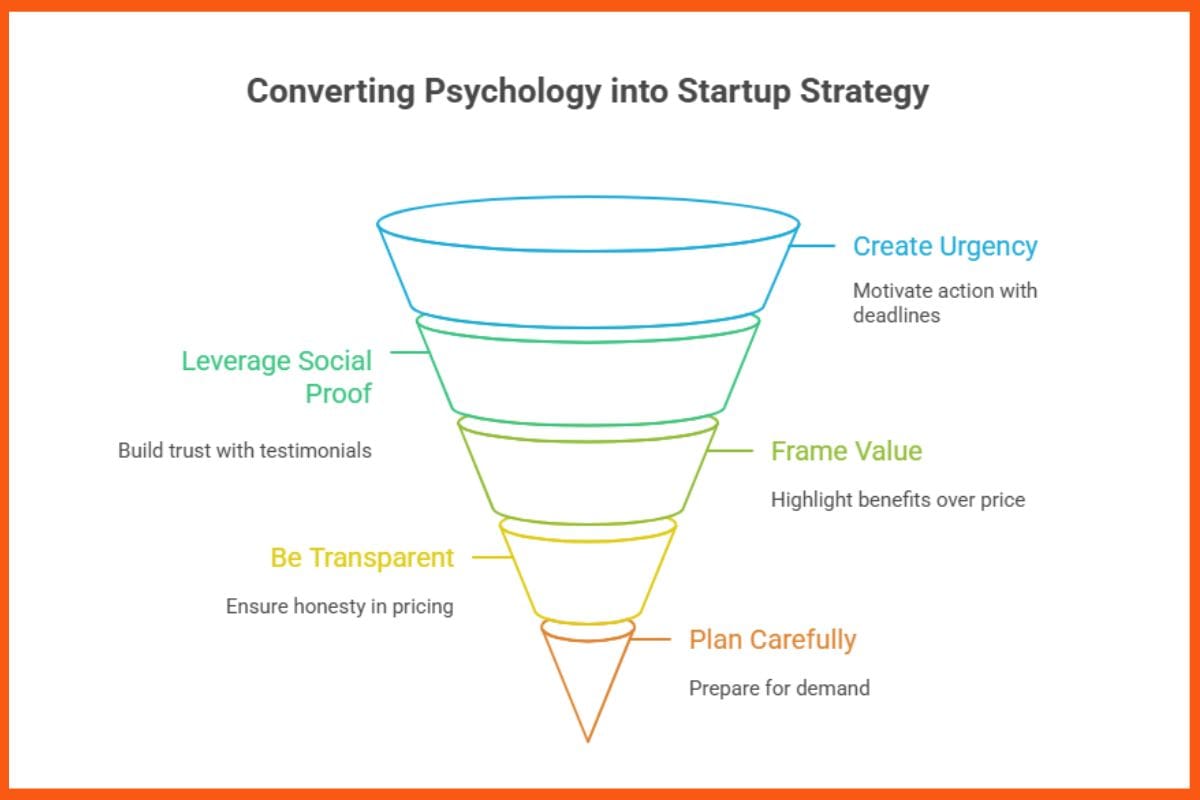
- Create urgency wisely: Use short promotions or early-bird specials to drive action. Clearly communicate deadlines (e.g., “Sale ends in 48 hours”) to motivate customers, but avoid constant hype fatigue.
- Leverage social proof: Show customer testimonials, user counts, or live counters (e.g., “23 people viewing now”). Partner with niche influencers; their authentic endorsements can spark buzz and trust.
- Frame value, not just price: Highlight how your product solves a problem or creates joy. Position it as an ideal gift or essential tool. This aligns with customers’ special budgets and makes spending feel meaningful.
- Be transparent: Show original and sale prices clearly. Explain why the sale exists (e.g., “Holiday Sale” or “Inventory Clearance”). Many shoppers know Black Friday tricks, so honesty will build your reputation.
- Plan carefully: Tease your sale about 2–3 weeks in advance. Build anticipation without overwhelming customers. Also, ensure you have enough stock and logistics in place to handle demand.
These tips let startups tap into proven consumer psychology ethically. Instead of tricking customers, use what naturally motivates buyers to create genuine excitement and value. That approach builds both sales and customer loyalty.
Conclusion
Black Friday’s power comes from human psychology: emotional rewards, urgency, and social influence make us buy more than we might otherwise. It reminds us that shopping decisions aren’t purely rational.
Startup founders can learn from these dynamics. By applying the same insights, for example, creating honest urgency, showcasing social proof, and appealing to customers’ real needs, businesses can boost engagement during big sales. All while building trust and long-term loyalty.
Vivek Dev Jacob
FAQs
Why do people overspend during Black Friday sales?
People overspend on Black Friday because emotions overpower logic. The dopamine rush from finding deals, fear of missing out (FOMO), and social proof (seeing others buy) drive impulsive decisions.
What psychological tricks do brands use on Black Friday?
Brands use scarcity (“Only 2 left!”), urgency (countdown timers), anchoring (showing inflated original prices), and social proof (reviews, influencer endorsements) to influence buying decisions. These techniques tap into our emotions and make discounts feel irresistible.
What is FOMO in Black Friday marketing?
FOMO (Fear of Missing Out) makes shoppers act fast to avoid losing a deal. Brands use limited-time offers and low-stock warnings to create urgency. This psychological pressure leads many consumers to make quick, emotion-driven purchases.