
Skandamata's Nurturing Spirit: How Women Entrepreneurs Build Strong, Empowering Teams
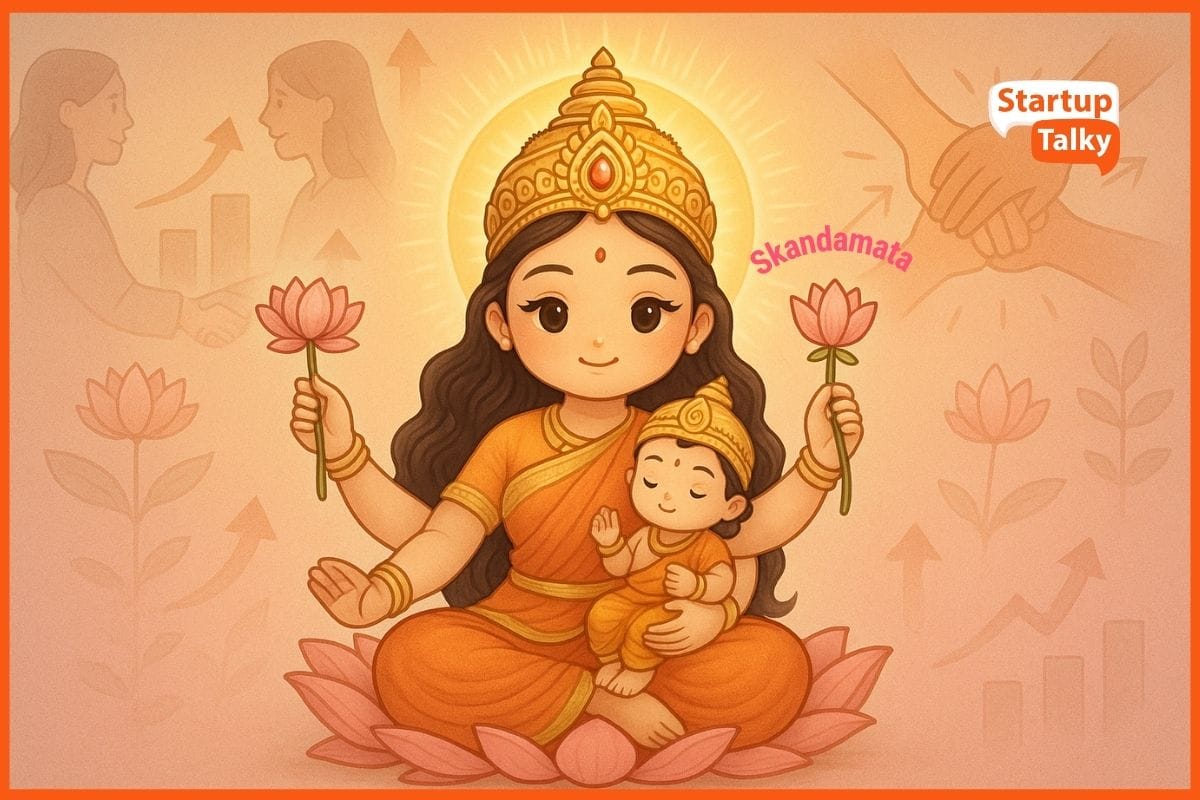
Today is the fifth day of Navratri, and it belongs to Goddess Skandamata, the mother of Skanda, also known as Kartikeya. She is shown riding a lion with her young son sitting on her lap. She is a warrior, but here she is also a mother, protecting and guiding the one she holds close.
That's a good picture of leadership. A founder has to fight for the business, but she also has to look after the people inside it. Teams don't grow just because they're told to. They grow when someone makes room for them to.
So we asked our founders: how do you build and look after your team? Is there someone you've watched grow that you're especially proud of? And how can women founders support each other better?
Their answers are full of small, real moments: a nervous first call, a school session built from scratch, artisans from small towns finding their footing.
Caring for the people who care
We begin with a team whose whole job is to look after others.
At The Full Circle, Nupoor Mohan's team of psychologists spends every day listening to people at their hardest moments. So who looks after them?
Nupoor Mohan, Founder & CEO, The Full Circle
Our team of 13 mental health professionals spends every day holding other people's pain, so caring for them comes first. One moment I am proud of is how our psychologists stepped up when we began working with schools. Many had mostly done one to one work, and they built age appropriate sessions for students and teachers from scratch. Women founders can support each other by sharing the unglamorous parts, the pricing mistakes, the hiring lessons, and the hard months, not just the wins we post online.
 Muskaan Kapoor
Protecting their focus
Nupoor looks after people who carry heavy emotions. Subarna Mukherjee looks after people who carry heavy pressure: global clients, across five time zones.
Her idea of nurturing is different from what most people expect.
Subarna Mukherjee, Founder & Global CEO, Shop Culture
Nurturing a team isn't about being nice. It's about protecting their focus. My job is to absorb the chaos, the difficult client, the shifting deadline, so my team can do their best work. Our foreign-revenue, India-talent model means some of our specialists have never worked with global brands before. Watching someone go from nervous on their first UK client call to leading it confidently is my favourite metric. For women founders: refer to each other. A warm introduction costs nothing and is worth more than any panel discussion.
Muskaan Kapoor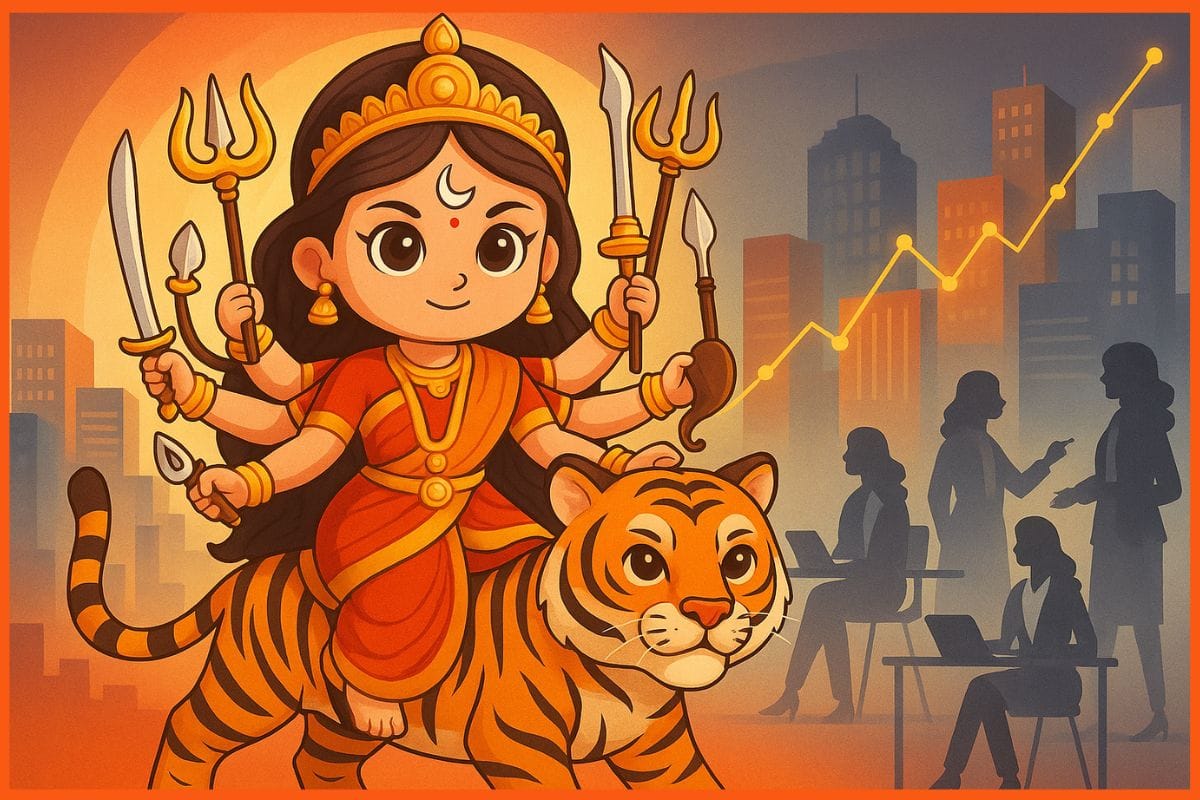
Giving people room to grow
Subarna shields her team from chaos. Seema Bansal, who has been building DCGpac for nearly two decades, has watched people grow up inside her company.
Seema Bansal, Co-Founder & Executive Director, DCGpac
People grow when people receive responsibility, trust and guidance. Throughout my journey I have tried to build a place where team members can ask questions, take ownership and learn from challenges instead of fearing mistakes. One of the rewarding parts of building DCGPac has been watching people who started with little experience take on larger responsibilities as the organisation grew. For women founders supporting each other means creating opportunities, sharing experiences honestly and opening doors for women instead of seeing success as a limited space.
Building a safe place to work
We close with a founder whose team is, in many ways, the heart of her business.
Most of the artisans who make Kalyanamm's incense are women from smaller towns. For Nidhi Sabbarwal, giving them work was only the beginning.
Nidhi Sabbarwal, Founder, Kalyanamm Holy Waste Recycling Pvt. Ltd.
Skandamata's nurturing nature lies at the centre of how I work with my team. Most of our artisans are women from smaller towns, and I view developing them as not merely giving jobs but building a secure, empowering platform. We promote skill development, open communication, and celebrate small successes. This generates trust and loyalty, which manifests in the quality of our output. A supportive, respectful work culture in which women encourage each other promotes productivity and teamwork, creating long-term stability and growth.
Muskaan Kapoor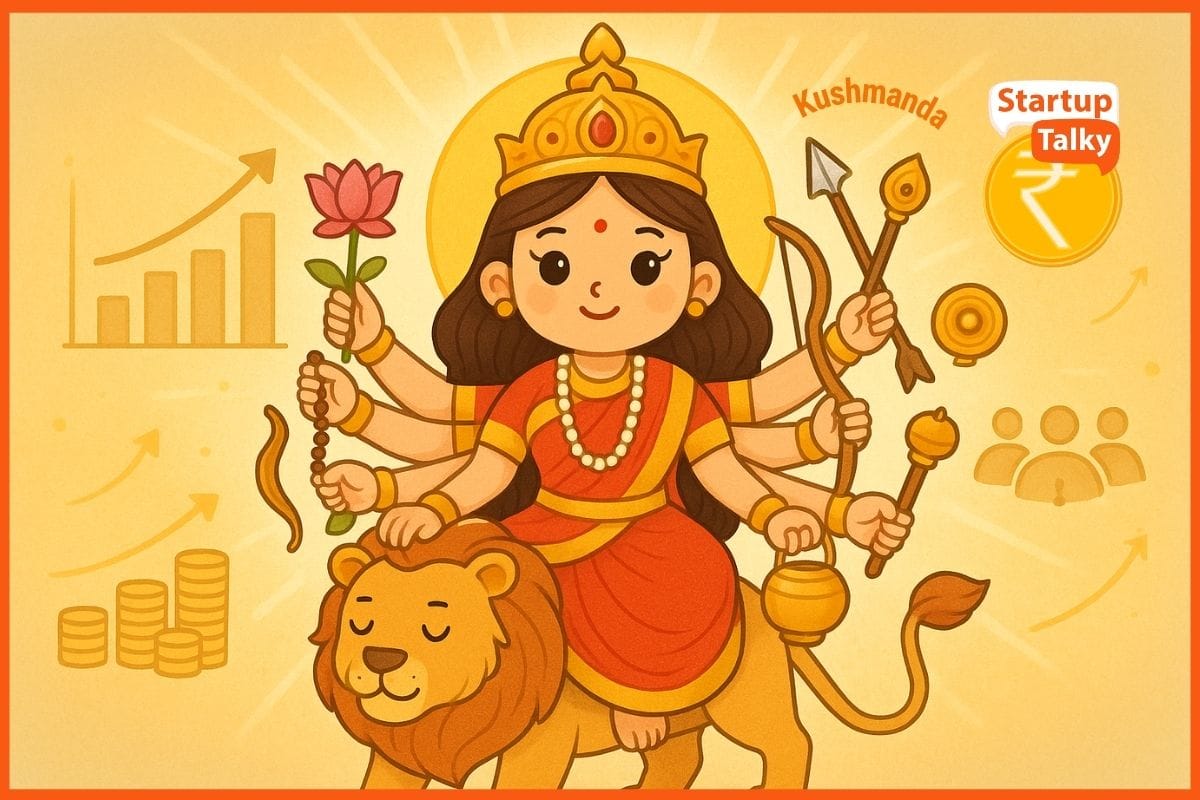
What their leadership has in common
Four founders, four ways of caring: looking after the carers, protecting focus, giving room to grow, and building a safe place to work.
None of them describes nurturing as being soft. Subarna says it plainly: it isn't about being nice. It's about making space for people to do their best, and stepping in when the pressure gets too heavy.
And on how women can support each other, their advice is wonderfully practical. Share the hard parts, not just the wins. Make the warm introduction. Stop treating success as a small room with only a few seats.
Like Skandamata, the best leaders hold their people close, and then help them stand on their own.