

Complete Guide to Group Insurance Plans for Organisations
Understanding the types of group insurance available, who qualifies, and what each policy offers can help you assess which benefits are relevant to your workforce.
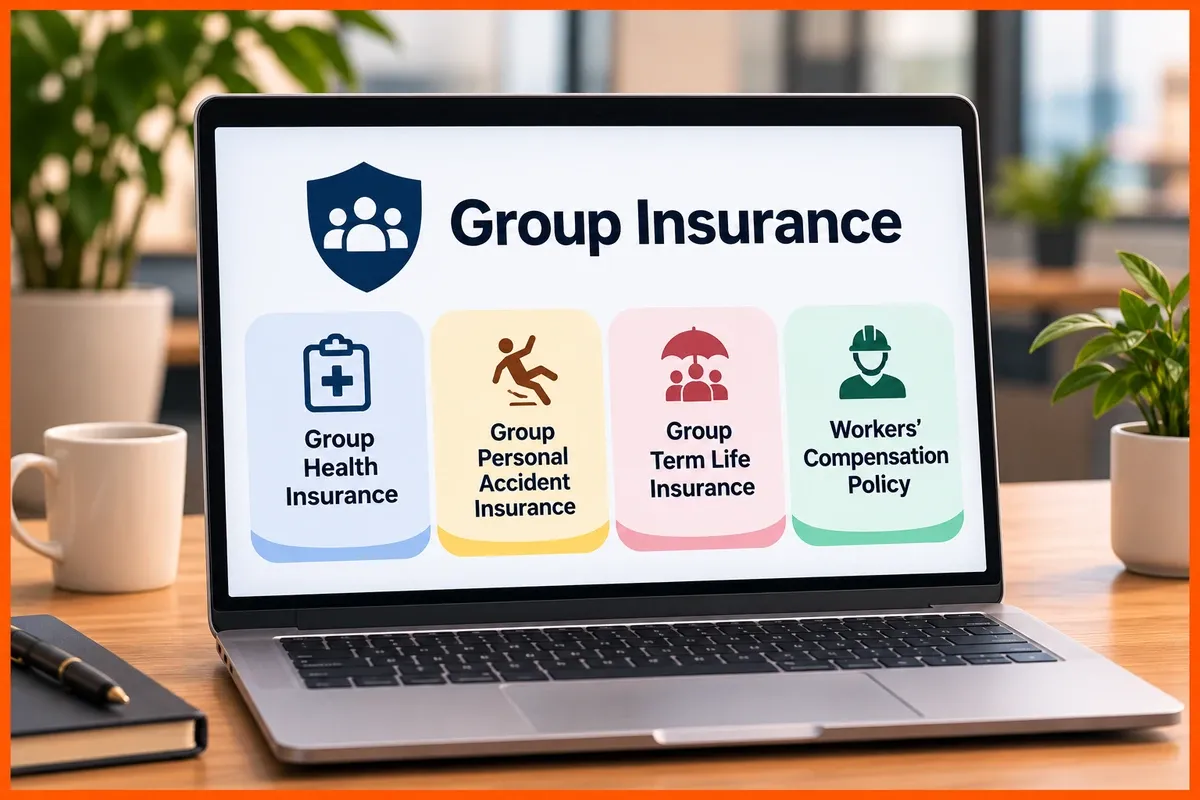
Running an organisation means balancing business expenses with the needs of your employees. Insurance benefits are one way to address those needs, but choosing a policy requires some thought. Different teams face different workplace risks, and employees may have different health and family needs. Understanding the types of group insurance available, who qualifies, and what each policy offers can help you assess which benefits are relevant to your workforce.
What Does Group Insurance Mean for Your Organisation?
Group insurance covers eligible members under a single policy arranged for a defined group, such as employees of a company. The employer generally acts as the master policyholder, while employees are members of the insured group.
The benefits depend on the type of policy, its terms, and the eligible members. Employers should communicate the benefits clearly so employees understand the protection available to them.
Which Types of Group Insurance Can You Consider?
Different policies address different employee needs. The following options serve distinct purposes, and their availability and terms vary by insurer.
| Type of cover | What Does it Generally Address? |
|---|---|
| Group health insurance | Eligible medical expenses, subject to policy terms |
| Group personal accident insurance | Specified accidental injury-related benefits |
| Group term life insurance | A specified life insurance benefit for eligible members |
| Workers’ compensation policy | Insured employer liability relating to employee injuries arising out of and in the course of employment, subject to applicable law and policy terms |
These options are not interchangeable. For instance, a group health policy and a workers’ compensation policy address different needs. Organisations should assess their workforce, workplace risks, and applicable legal obligations before deciding which covers to consider.
How Do You Decide Which Cover Your Employees Need?
A few things are worth considering before you settle on a policy:
- Nature of work: Think about the tasks employees perform, where they work, and the risks they face on the job.
- Team size and needs: Consider how many people you employ and whether you want to extend benefits to eligible dependants.
- Budget: Work out what your organisation can afford, taking the premium, benefits, coverage limits, and any employee contributions into account.
- Eligibility: Find out which employees qualify, when their cover starts, and what happens when someone joins or leaves.
- Policy conditions: Read the terms, exclusions, and limits so you understand what the policy document specifies.
Which Policy Details Deserve a Closer Look?
Here are a few details to go through:
- Benefits and limits: Check the benefits available to each insured member and any sub-limits that apply.
- Exclusions: Read which situations or expenses are excluded under the policy wording.
- Employee records: Check what information is needed to enrol employees and how they will receive their policy details.
- Renewal: Find out when the policy needs to be renewed and whether the premium or terms could change.
- Keeping employees informed: Make sure your team knows what benefits are available, who is eligible, and whom to contact with questions.
How Is a Workers’ Compensation Policy Different From Other Employee Benefits?
If an employee gets injured while doing their job, the employer may have a legal responsibility to pay compensation, depending on the circumstances and applicable law. A workers’ compensation policy can provide cover for certain employer liabilities, subject to the policy terms.
In India, the Employee’s Compensation Act, 1923, sets out provisions for compensation in specified cases of employment-related injury. The law and the circumstances of the injury determine what responsibilities apply.
Conclusion
A policy that suited your organisation a few years ago may need another look as your team grows or the nature of its work changes. When reviewing group insurance, focus on the benefits employees can access, the conditions attached to them, and the cost to your organisation. Also, give employees clear information about their benefits. If something in the policy wording is unclear, ask the insurer for an explanation before making assumptions. That way, your decisions can reflect both your employees’ needs and your organisation’s responsibilities.