

IndiGo Lite Fare Lands in India: One 7 kg Bag, Nothing Else
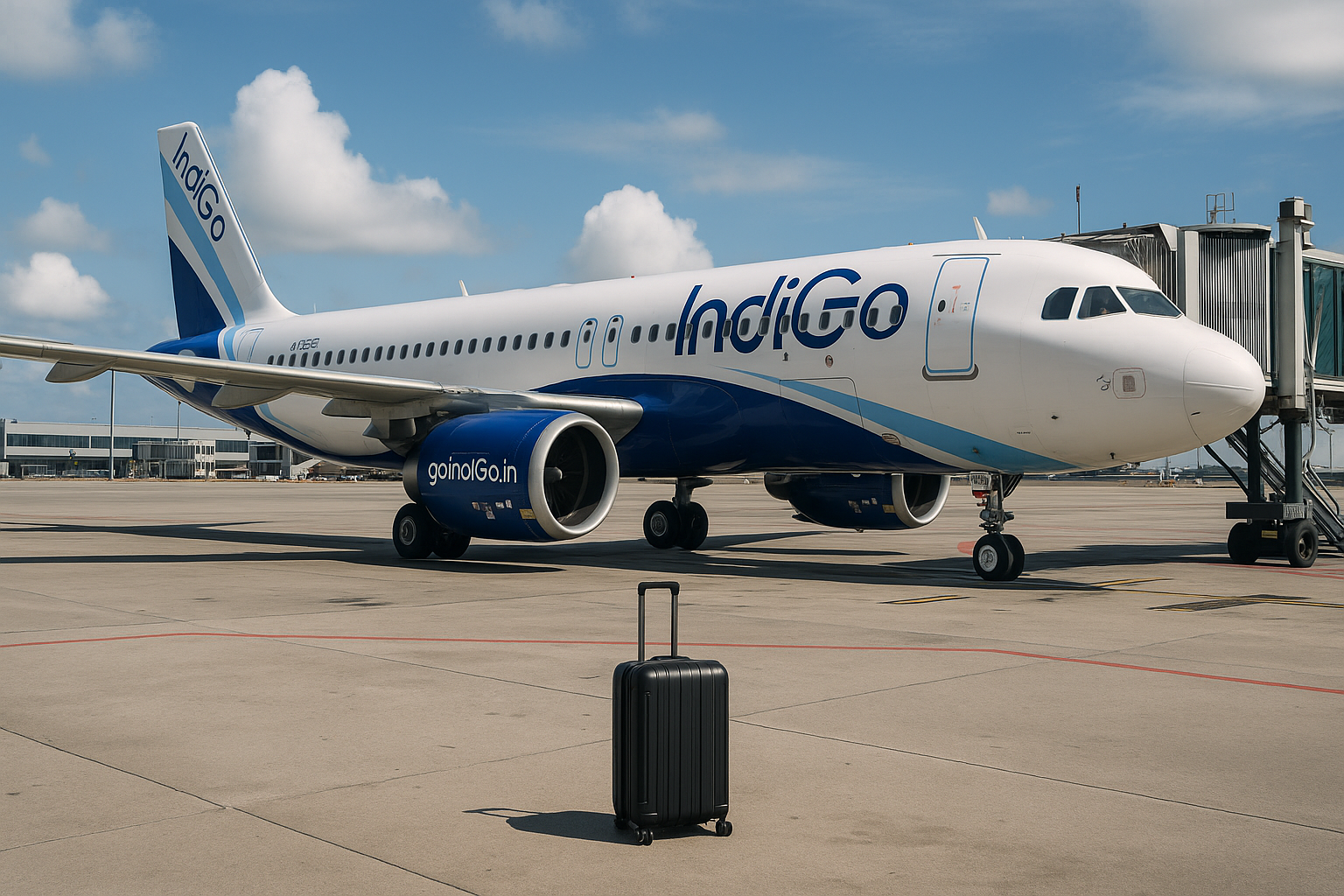
IndiGo, which now flies 64.8% of India's domestic passengers, has started selling a fare that includes almost nothing. Its new Lite fare, live from 15 July, gives you a seat and one 7 kg cabin bag, and little else. No free check-in baggage, no meal, and no seat selection: the aisle or window is auto-assigned, and everything else is a paid add-on you buy separately. This is India's largest airline formally unbundling air travel the way European low-cost carriers did years ago, and it is legal because the DGCA rewrote the rulebook in 2024 to permit "zero baggage" fares. The catch is simple, and it is the whole design: the Lite fare is cheaper only if you genuinely fly cabin-only.
Add one check-in bag back at the airport and the fee can swallow the saving.
India's dominant airline is betting that a fare with almost nothing in it will make more money than the fare it replaces, because everything it leaves out is now something to sell.
What the IndiGo Lite fare includes, and what it strips out
The fare is deliberately bare. Here is the split between what you get and what now carries a separate price tag.
| In the Lite fare | Costs extra |
|---|---|
| One 7 kg cabin bag (55 x 35 x 25 cm) | Any check-in baggage |
| A seat, auto-assigned by IndiGo | Choosing your own seat |
| Carriage to your destination | An onboard meal |
| Priority and Fast Forward services |
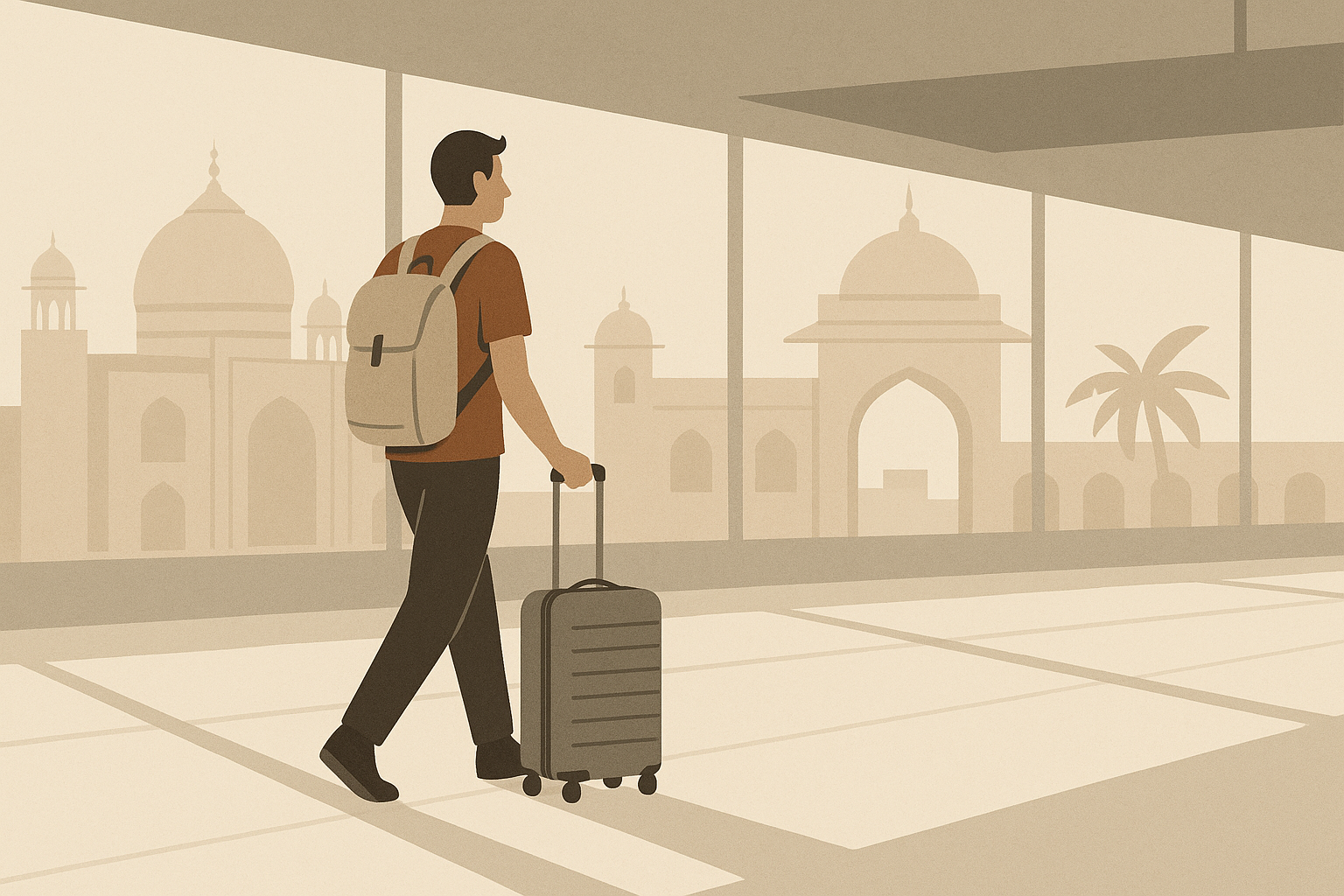
IndiGo's Lite fare rewards flying with nothing but a cabin bag.
Why the DGCA's 2024 unbundling rule made the IndiGo Lite fare possible
None of this would have been allowed a few years ago. In April 2024, the DGCA issued Air Transport Circular 01 of 2024, which lets airlines charge separately for seven services, including checked baggage, but only if the flyer actively opts in. Pre-ticked add-on boxes became illegal. That circular is what turned "no free bag" from a complaint into a product: it created the zero-baggage fare that the Lite fare is built on.
The real reason is ancillary revenue, the fastest-growing part of flying
I think the seat and the bag are a distraction. The real story is the money an airline makes after the ticket is sold. India's airline ancillary market was worth $6.46 billion in 2024 and is forecast to reach $17.76 billion by 2032, growing at about 12.6% a year. Air India, since the Tata takeover, more than doubled its ancillary revenue from ₹700 crore to ₹1,700 crore in two years. IndiGo, still repairing its reputation after a ₹22 crore fine for December's disruptions and a round of flight cuts that handed slots to rivals, needs every rupee of yield it can protect. Unbundling does three things at once:
- Lowers the headline fare so IndiGo wins the price-comparison click, even if the all-in cost is unchanged.
- Turns free things into products, each with its own margin, on top of the base ticket.
- Feeds the growth plan, as the airline chases a 200-million-passenger goal by 2030 that thin ticket margins alone cannot fund.
IndiGo can afford to experiment because it is barely competing on this fare. With a fleet past 440 aircraft and 64.8% of the domestic market, it sets the price the rest follow. Air India, the only rival with real scale, has spent its energy growing its own ancillary lines rather than fighting on baggage. That makes the Lite fare less a duel with competitors and more a re-pricing of how two-thirds of India flies, one unbundled service at a time.
Should you book the IndiGo Lite fare?
Do the arithmetic before the discount tempts you. If you carry only a cabin bag, the Lite fare is a genuine saving. If you check a bag, want a specific seat, or eat on board, add those back and compare the total, not the headline. For IndiGo, either way is a win: you either fly cheaper on almost nothing, or you pay for the pieces it just unbundled.
Frequently Asked Questions
What is included in the IndiGo Lite fare?
One cabin bag up to 7 kg and a seat that IndiGo auto-assigns. Check-in baggage, an onboard meal, and choosing your own seat all cost extra.
When did the IndiGo Lite fare start?
IndiGo began selling the Lite fare from 15 July, on top of its existing fare bundles.
Is the IndiGo Lite fare actually cheaper?
Only if you travel cabin-only. The moment you add a check-in bag back, the add-on charge can cancel out the lower headline fare.