

Nabha State: History, Rulers, and the Royal Legacy of the Phulkian Dynasty
👨💻 StartupTalkersDiscover the history of Nabha State, a prominent kingdom of the Phulkian Dynasty founded by Hamir Singh in 1755. Learn about its rulers, British Raj history, royal lineage, and the present head Maharaja Yudhister Singh.

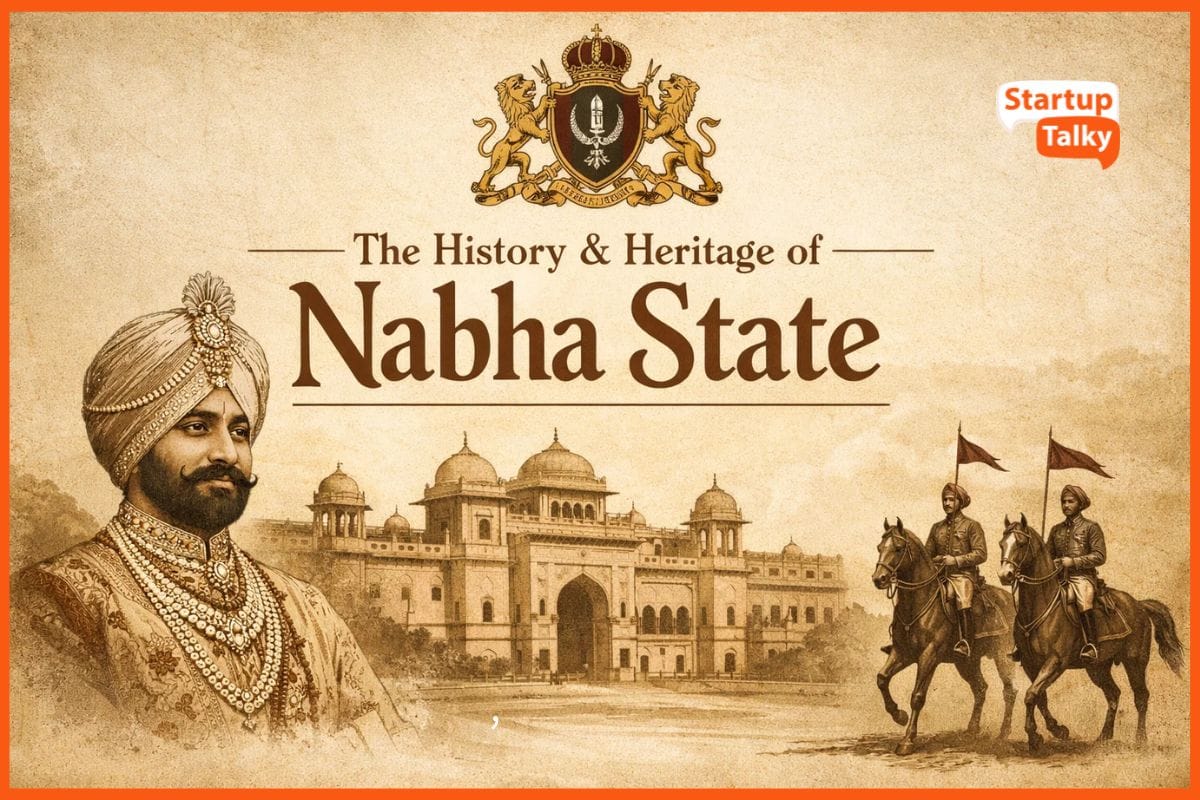
The state of Nabha was one of the dominant states of the Phulkian Dynasty. During the British Raj, it was converted into a Princely state of Punjab. It belonged to the Sikh Sidhu Jat clan and was ruled by their rulers until the British government took control of governance. This is currently located in Patiala, Punjab.
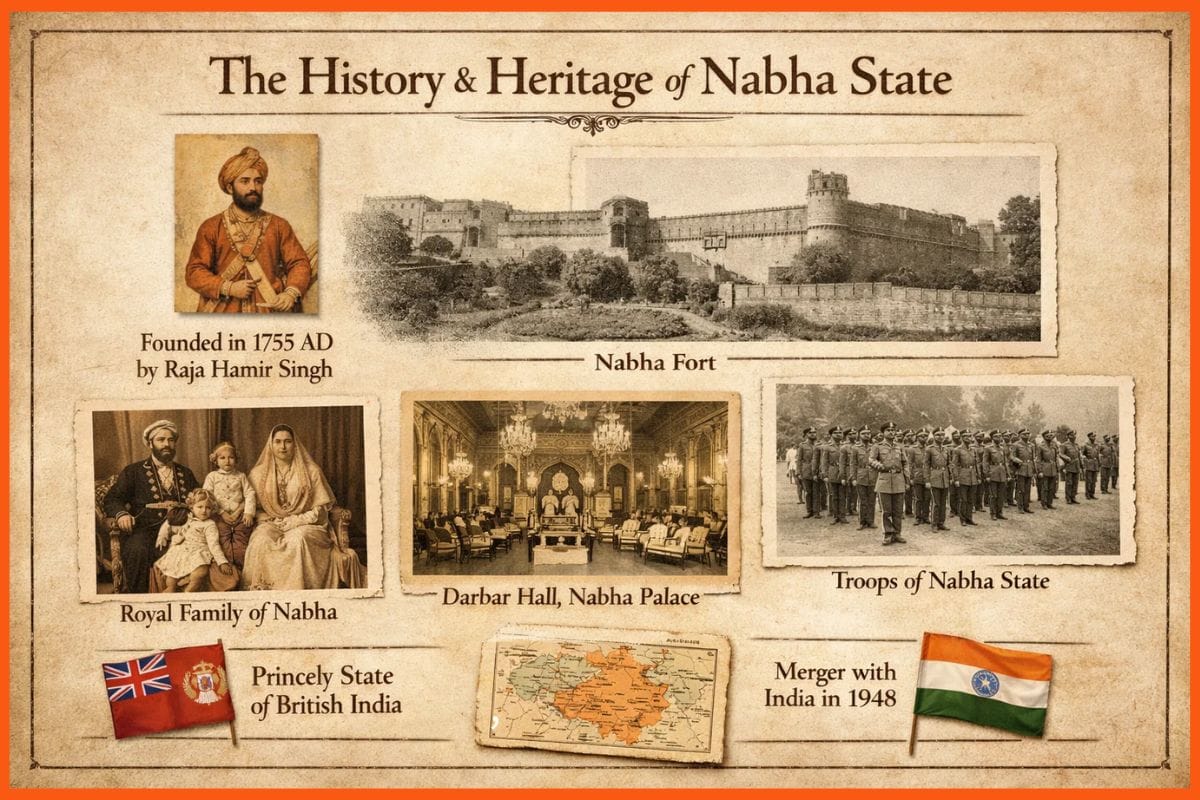
The present ruler of Nabha is Maharaja Yudhister Singh, who is the 10th Maharaja of the clan. The state of Nabha was founded by Hamir Singh, the grandson of Guruditta, in 1755.
List of Rulers of Nabha State (1763–1948)
Origin
The British Raj Era and Royal Lineage
Current Ruler of Nabha and his Heritage
List of Rulers of Nabha State (1763–1948)
| Name | Reign |
|---|---|
| Sarsar Hamir Singh | 1763 – 1783 |
| Raja Jaswant Singh | 1783 – 1840 |
| Raja Devendra Singh | 1840 – 1846 |
| Raja Bharpur Singh | 1846 – November 1863 |
| Raja Bhagwan Singh | 1863 – 1871 |
| Maharaja Hira Singh | 1871 – 1911 |
| Maharaja Ripudaman Singh | 1911 – 1923 |
| Maharaja Pratap Singh | 1923 – 1948 |
Origin
The State of Nabha was one of the many dominions of the Sikhs. It was established after the fall of the Mughal and Afghan authorities in the province of Delhi. The history begins with Tiloka, who was the mutual predecessor of both the Phulkian dynasty, represented by the rulers of Patiala and Jhind.
Also known as Tilok Singh, was the oldest son of Phul Sidhu, a member of the Phulkian dynasty. After Tiloka died in 1687, his two sons were left to carry on the legacy of the Phulkian dynasty and the Sidhu clan. The lineage of Nabha rulers began from Guruditta, the eldest son of Tiloka.
He founded Dhanaula and Sangrur, the latter of which became the state’s headquarters. Sukhchen, the younger brother of Guruditta, became the head of the Jhind clan. Surat Singh, Guruditta’s only son, died in 1752, and two years later, Guruditta passed away.
Hamir Singh became the new leader of the clan. He was the second son of Surat Singh and the grandson of Guruditta. He founded the vicinity of Nabha in 1755 and became its first ruler when the state of Nabha was established. Nabha State rose to become an independent and sovereign state due to the decline of Sirhind in 1763. The state was divided into 12 different territories.
When Hamir Singh died in 1783, his son Jaswant Singh became the ruler. He ruled the state till 1840. He was the first to reclaim the disputed areas of his state by going against the Jhind and Patiala clans. He united with Lord Lake and went against Jaswant Rao Holkar in 1804.
 Rishi Mundra
The British Raj Era and Royal Lineage
As the relations with British rule were good, the ruler of Nabha, Jaswant Singh, was given protection in 1807 and 1808 by the British army due to Ranjit Singh’s threat and his encroachment on the Lahore State.
Jaswant Singh died in 1840, and his son Devinder Singh came to be the ruler. Raja Devinder Singh lost one-fourth of the state to the British due to his sympathy with the Sikh Empire during the First Anglo-Sikh War in 1846. His actions became the reason for his downfall, and he was removed from the kingship.
Bharpur Singh was seated on the throne after his father’s removal, under British administration. He was only seven years old at that time. He aided the British during the 1857 mutiny and was rewarded with divisions of Bawal and Kanti.
Upon the sudden death of Bharpur Singh in 1863, his brother Raja Bhagwan Singh took the throne in 1864 under the Viceroy and Governor-General of India. A few months after ascending the throne, Bhagwan Singh was accused of killing his brother and aunt, due to which his powers were taken away. Although he was later proven innocent and got his ruling back in 1865. In 1871, due to tuberculosis, he passed away.
Hira Singh became the ruler in 1871, who was the first to attain the titles of Maharaja and Raja-i-Rajgan. After him, his son Maharaja Ripudaman Singh ascended the throne in 1912. He was a member of the Imperial Legislative Council in Calcutta.
In 1923, he willingly renounced the throne of Nabha State, and in 1928, he was officially removed by the British Government.
Maharaja Pratap Singh is known as the last Maharaja of the State of Nabha. When India became independent in 1947, he agreed to include his princely state in independent India, and the Nabha State was merged into Patiala and East Punjab States Union.
Current Ruler of Nabha and his Heritage
Currently, Maharaja Yudhister Singh, the grandson of Maharaja Pratap Singh, is known as the head of Nabha. He was born on 5 December 1972. He married Maharani Jahnavi Kumari and has a son named Rajkumar Sangram Singh.
The royal family acquired the Hira Mahal Palace and invaluable artefacts, including a silver palanquin and various paintings. The approximate land price of Hira Mahal is over INR 50 crore.
The state is renowned for its agricultural products, especially wheat, sugarcane, and cotton.
The royal family in this new age continues to value their ancient traditions and heritage. Recently, the ritual of “dastaarbandhi”, the famous turban-tying ceremony in the Sikh community, took place in Hira Mahal.
The ceremony was organised for the son of Bhanu Pratap Singh and Preeti Singh Nabha, Abhiuday Pratap Singh. According to sources, they are descendants of Maharaja Hira Singh and Maharaja Ripudaman Singh of the ancient Royal State of Nabha.
Sakshi Jadhav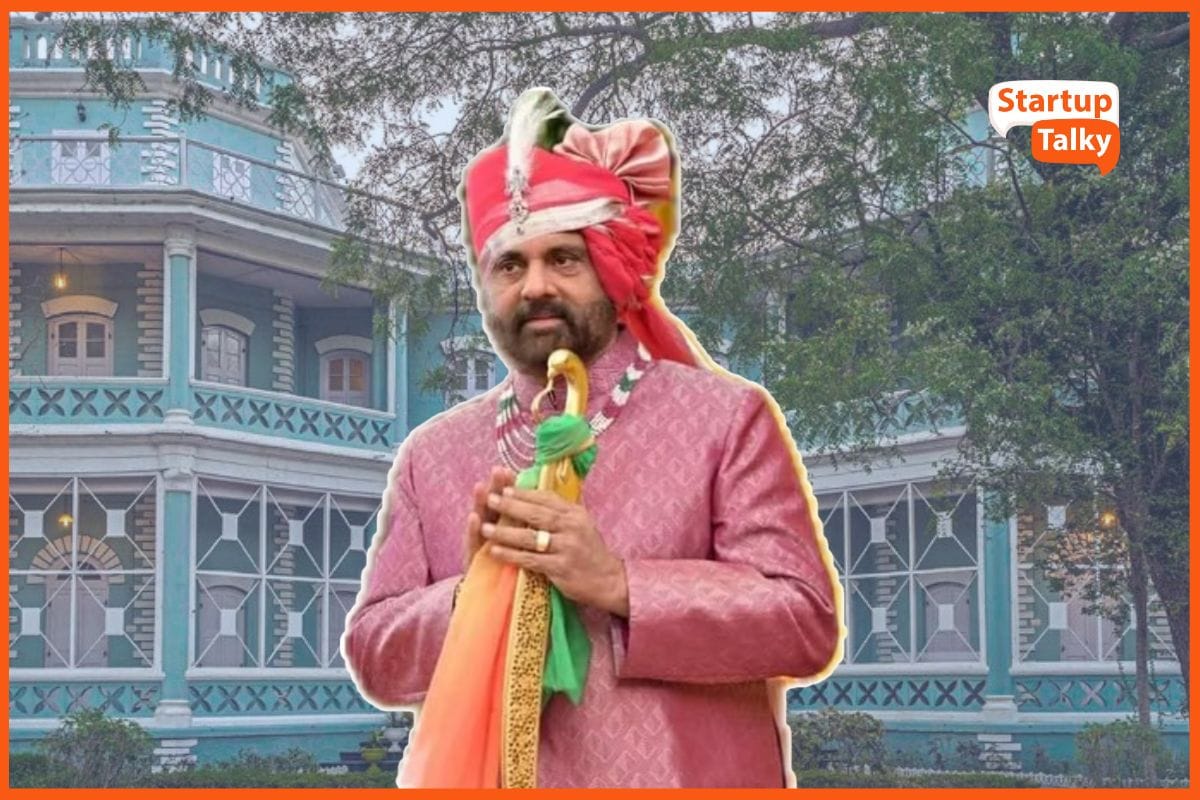
FAQs
Who founded Nabha State?
Nabha State was founded by Hamir Singh, the grandson of Guruditta, in 1755.
Which dynasty ruled Nabha State?
The state was ruled by the Phulkian Dynasty, belonging to the Sikh Sidhu Jat clan.
Who was the last Maharaja of Nabha?
Maharaja Pratap Singh was the last Maharaja of Nabha before the princely state merged with India in 1947.
Who is the present ruler of Nabha?
The current head of the royal family is Maharaja Yudhister Singh, the grandson of Maharaja Pratap Singh.
What is Hira Mahal Palace?
Hira Mahal Palace is the historic palace of the Nabha royal family and holds valuable royal artefacts.