

AI Is Redefining Coding Jobs: Perplexity CEO Warns Computer Science Is Returning to Maths and Physics
Perplexity AI CEO Aravind Srinivas endorsed a viral post claiming AI is shifting computer science back to maths and physics. Tools like GitHub Copilot speed up routine coding by 55%, but entry-level jobs shrink amid 2026 tech layoffs.
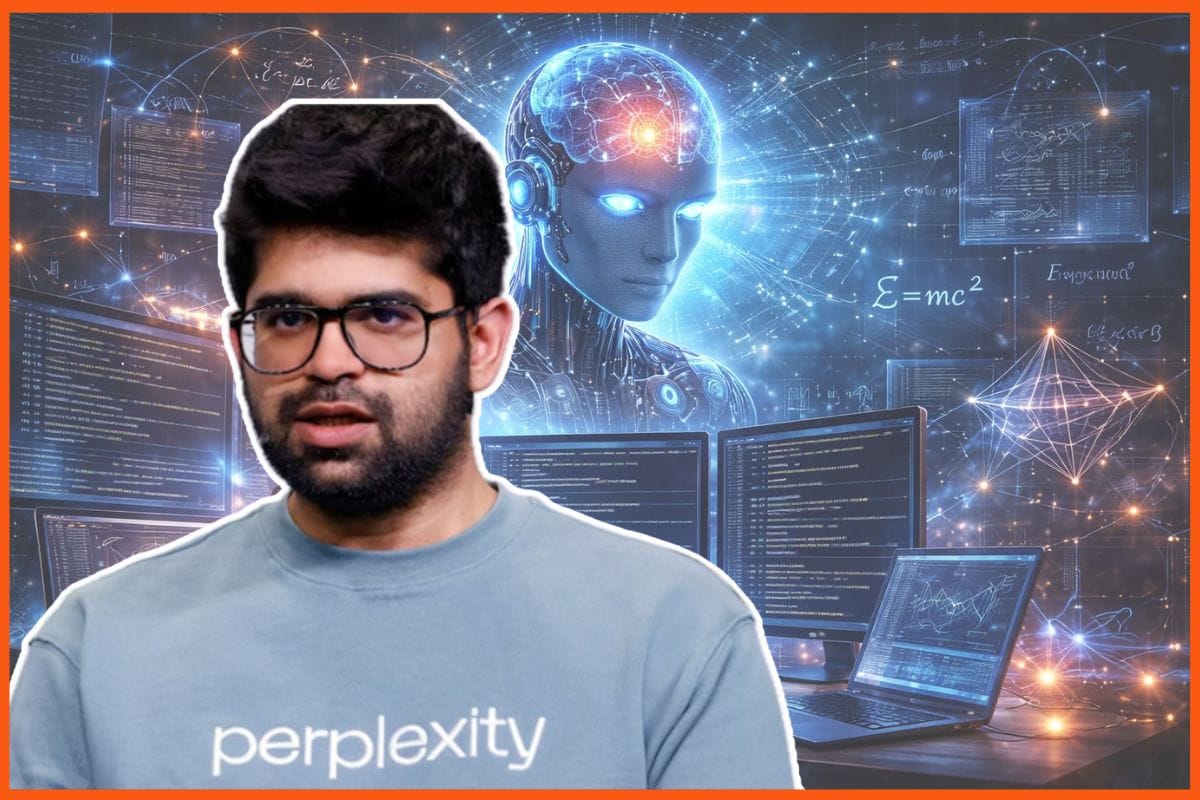
Aravind Srinivas, CEO of Perplexity AI, has ignited online discussions by endorsing a popular social media post. The post claims that artificial intelligence tools are automating routine coding tasks, pushing computer science back towards its foundations in mathematics and physics. This comes amid rapid advances in AI that are changing how developers work.
Viral Post Endorsement: What Aravind Srinivas Said About AI in Coding
On 13 March 2026, Srinivas shared a post from @TheVixhal, a physics and AI/ML student, simply adding "Well said." The original message quickly gained over 15,000 likes and nearly one million views on X. It argues that large language models, or LLMs, handle the basic "grunt work" of coding, freeing experts to focus on deeper challenges like system failures and trade-offs – areas more aligned with maths and physics.
This endorsement highlights a broader industry shift. Leaders like Anthropic's Dario Amodei predict AI could manage most current software engineering tasks within six to 12 months. Replit's CEO has even suggested the traditional software engineering role may fade away.
Well said. https://t.co/W1OSsYabZo
— Aravind Srinivas (@AravSrinivas) March 13, 2026
AI Boosts Coding Speed: GitHub Copilot and Real-World Data
Tools like GitHub Copilot are proving the point with solid results. A 2023 Microsoft study showed developers using it finished tasks 55.8% faster. Anthropic's AI Exposure Index ranks programming as the profession most exposed to AI, with about 75% of tasks automatable.
Routine code, such as boilerplate syntax, is increasingly handled by AI. This leaves engineers tackling complex issues, like scalable architecture and error prediction, which demand strong maths and physics knowledge. Education groups like Code.org are adapting too, prioritising logical reasoning over rote coding, as their founder put it, "Coding is dead. Long live coding."
Challenges Remain: Job Market Struggles for New CS Graduates in 2026
While AI speeds up work, it is not flawless. LLMs often err on novel problems or intricate designs, making senior engineers vital for checks and big-picture decisions. Juniors benefit most from these tools, but entry-level roles are scarcer.
A recent Business Insider report shares the story of Kiran Maya Sheikh, a UC Irvine computer science graduate from 2025. Despite a strong GPA, she struggles to land her first full-time job amid AI-driven changes and a tough market. Many firms prefer experienced hires, leaving new grads competing with AI and laid-off seniors. She notes a "bloodbath" for internships and entry positions, urging students to network early and stay ahead of tech trends.
No major real-time updates have emerged since 13 March 2026, confirming the buzz around Srinivas's post. This debate underscores AI's dual role: a helper for efficiency, yet a disruptor reshaping careers and education. Aspiring coders may need to embrace maths, physics, and critical thinking to thrive.