

Alphabet Inc. Unveils New Incentive Plan; Sundar Pichai’s Compensation May Hit $692 Million
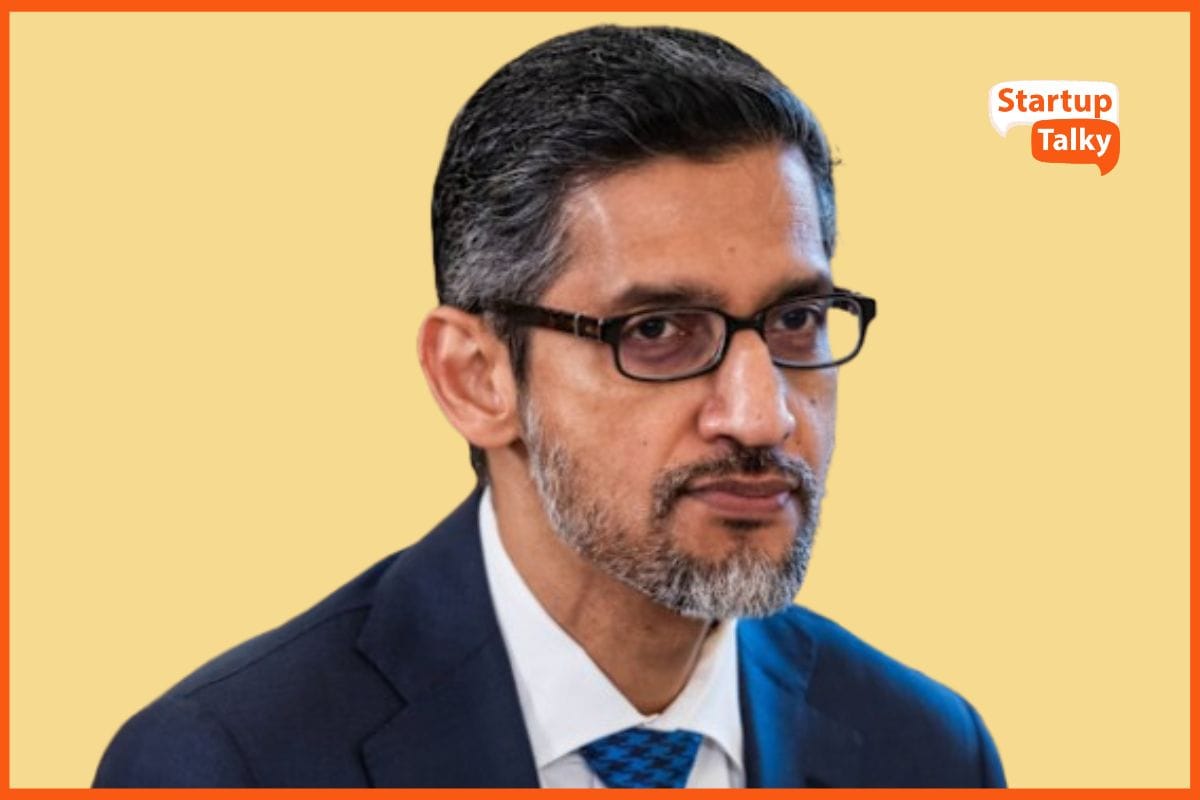
Sundar Pichai, CEO of Alphabet, may get $692 million in salary over the next three years if a new incentive plan is approved by the board of directors. Following the implementation of the new plan, Pichai will join the ranks of the world's highest-paid business executives. Reflecting Alphabet's plan to link senior remuneration to financial success and the expansion of new technological companies, the package is largely geared toward stock-based incentives and long-term performance goals.
A large chunk of the package is supposedly associated with $126 million in performance stock units (PSUs), according to reports in the media. The performance of Alphabet in comparison to companies in the S&P 100 index will determine the value of these stock awards. Stock units might be worth as much as $252 million if the company significantly outperforms its competitors, while a payment of zero would result from poor performance.
More Benefits for Pichai
Pichai is anticipated to receive $84 million in restricted shares on top of the performance-linked component. Assuming he stays put for the whole three years, this stock will vest monthly. His yearly base compensation of $2 million will not change, and he will not receive a bonus. Focusing on Alphabet's new innovation projects is a standout aspect of the strategy. About $350 million in stock rewards might be available as incentives linked to the performance of Waymo and Wing Aviation. Waymo shares valued at approximately $130 million and Wing-linked stock valued at nearly $45 million would be awarded to Pichai under the arrangement.
The dividends might go up to twice the target value if the two businesses' valuations improve during the next three years. The board of directors of Alphabet stated that the incentive structure is a reflection of the strategic importance of the businesses represented by Pichai. He has led the company in diversifying its technology portfolio beyond its core advertising business and into autonomous driving technology and drone delivery services in particular.
What Prompted Alphabet to Roll Out New Incentive Plan?
Alphabet has continued to record great financial performance, coinciding with the pay plan. Profits for the quarter came in at $34.5 billion, up 30% year over year, with sales up 18% to $113.8 billion. The market valuation of Alphabet has increased from $535 billion to $3.6 trillion since Pichai took over as CEO in 2015, and it briefly surpassed $4 trillion earlier this year. In contrast to Google co-founders Larry Page and Sergey Brin, Pichai has kept a low public presence while leading one of the most valuable technological businesses in the world.
He and his wife already own approximately $500 million worth of Google shares, according to regulatory records. Major IT businesses are increasingly tying CEO compensation to long-term innovation bets, as the proposed incentive plan shows. These bets are especially in areas like next-generation logistics, autonomous mobility, and artificial intelligence. In Alphabet's case, the organisational structure indicates that future leadership compensation will be highly dependent on the growth of both advertising and the company's so-called "Other Bets" (i.e., businesses that may determine the company's next growth phase).
|
Quick Shots |
|
•Sundar Pichai’s compensation could reach $692 million over
three years under a new incentive plan by Alphabet Inc.. •The pay package is largely stock-based and linked to long-term
performance goals. •Around $126 million in Performance Stock Units (PSUs) will
depend on Alphabet’s performance compared with companies in the S&P 100
index. •If Alphabet significantly outperforms peers, the PSU payout
could rise to $252 million, while weak performance may result in no payout. |