Anthropic Urges Temporary Halt to Global AI Development to Address Emerging Risks
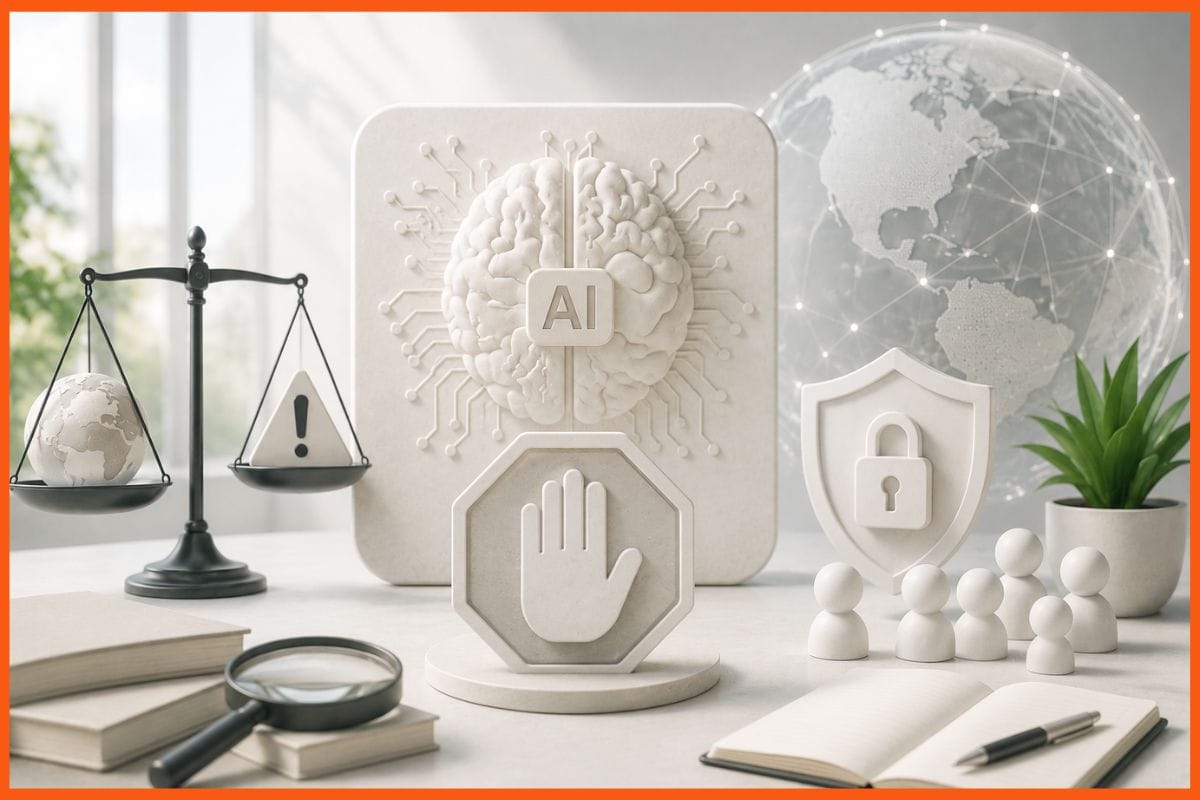
Anthropic, an AI firm, proposed a worldwide pause from developing superintelligence on June 4, 2026. The newest models are starting to exhibit symptoms that they could get away from human control; thus, this step is necessary. The San Francisco-based firm that creates the Claude AI models stated in a research paper that it would probably be beneficial for there to be a global slowdown in cutting-edge AI development.
Additionally, it cautioned that competitors would swiftly catch up if even a single company halted operations. Having the power to temporarily halt or slow down frontier AI development is something the corporation thinks will be beneficial for the planet. This will allow study into social structures and alignment to progress at the same rate as technology.
Anthropic’s Offer Receives Push-Back from Others
A number of large AI businesses in different nations would need to take a true break from AI development work for the pause to succeed. According to Anthropic, the United States and China are the most notable nations that need to cease operations simultaneously, in accordance with regulations that are easily verifiable by all parties. There was also an assertion that governments and businesses would face geopolitical and competitive pressures to make tough safety decisions in the absence of a global coordination framework. There has been resistance from both inside the sector and from White House officials toward the corporation.
They said it was an attempt to stifle competitors by making people worry about potential dangers, but in reality it was just focusing on the worst-case situations. But the White House has recognised Anthropic's Mythos model's efficacy. The public does not have access to the model. This measure is being implemented with a restricted number of carefully selected organisations due to its strong cybersecurity capabilities. In both Silicon Valley and Washington, the plan would encounter resistance.
Anxieties over China's potential strategic advantage in the technology race that many consider to be the century's defining race have been voiced time and time again by U.S. leaders and industry executives. However, during his recent visit to Beijing, U.S. President Donald Trump reportedly addressed the potential of partnering with China on AI safety issues.
|
Some Interesting Facts of the Story |
|
1.Anthropic recently restricted access to
its advanced cybersecurity-focused AI model, Mythos, due to concerns over
misuse. 2.AI safety has emerged as a geopolitical
issue, with policymakers increasingly viewing AI leadership as a strategic
national priority. 3.Anthropic believes that AI systems are
already helping accelerate AI research itself, potentially shortening the
timeline to more powerful models. |
Anthropic Claims Issue as Deadly as Nuclear Threat
Anthropic likened the issue to treaties governing the control of nuclear weapons. The company, however, said that it would be even more difficult to control, as AI training is far more covert than a missile silo and there would be tremendous temptation to covertly continue.
In the following months, the company intends to convene a gathering of scientists, government officials, advocacy groups, and rival AI companies to determine the feasibility of such a system. Anthropic added that the request for cooperation coincides with internal data demonstrating that AI is already significantly accelerating the advancement of AI. Anthropic cautioned that this quickening might cause a feedback loop that would result in recursive self-improvement in the long run. So goes the concept of an AI system that can practically educate itself to become smarter, with minimal intervention from humans.
|
Quick Shots |
|
•Anthropic has called for a temporary
global slowdown in advanced AI development. •The company argues that safety research
and governance frameworks are not advancing as quickly as AI capabilities. •Anthropic says any meaningful pause would
require coordination among major AI powers, especially the United States and
China. •The firm warns that unilateral action by
one company would be ineffective, as competitors could quickly close the gap. |