CCI Ends Antitrust Inquiry into Google Over Real-Money Gaming Apps
The CCI has completed its antitrust probe into Google’s rules for real money gaming applications, stating that regulatory reforms had changed the market drastically. The examination follows a complaint by WinZO Games in 2022 that stated Google exploited its leading position.
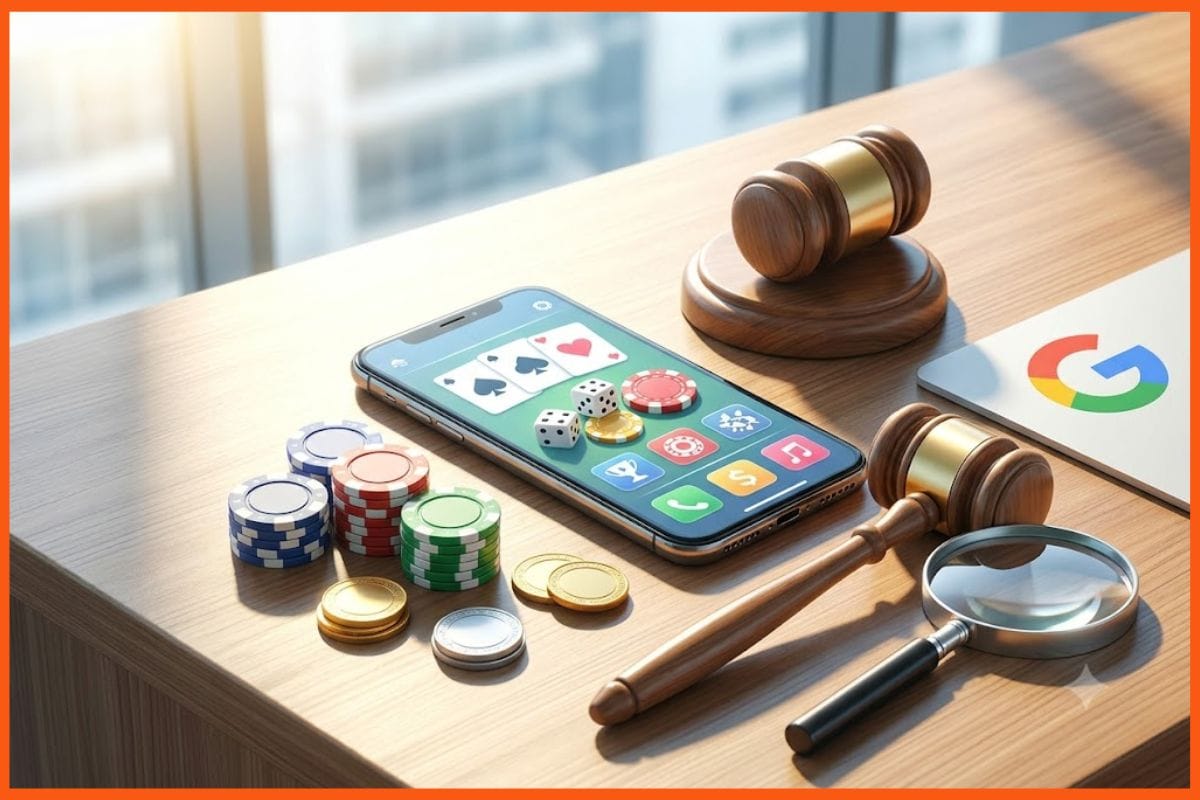
Google was the subject of an antitrust investigation by India's Competition Commission (CCI) on its RMG app policies, but the probe has now concluded. The game firm WinZO Games filed a complaint, prompting this action. According to CCI's order, the market that was under scrutiny underwent a fundamental shift due to the prohibition on online money games.
In 2022, the online gaming company WinZO contacted the CCI, marking the beginning of the case. Google was accused by WinZo of exploiting its dominating position in the market through its practices around payments, the Play Store, and Google Ads. WinZO Games voiced their displeasure that, as part of a test programme, Google was only approving rummy and daily fantasy sports (DFS) applications for the Play Store, leaving out other RMG apps.
Actions Taken by CCI Against the Allegations
Following the formation of a preliminary impression that Google might have breached provisions of the Competition Act concerning abuse of dominance, the CCI authorised a comprehensive investigation in November 2024. WinZo voiced its concerns that this kind of bias could lead to the creation of a "two-tier" industry, wherein certain game makers have more opportunities for exposure and success at the expense of others. Google amended its plan and submitted a commitment application in February 2025 during the investigation.
Subject to certification and other conditions, Google's second amended offer suggested adding all legally acceptable skill-based RMGs to the Play Store. It also suggested that ads for legal games of skill may be allowed. The Promotion and Regulation of Online Gaming Act, 2025, however, altered the regulatory environment. The Act and the regulations codified under it were implemented on May 1, 2026. The legislation does not differentiate between games of skill and games of chance when it forbids online money games, their promotion, and the facilitation of payments for such games.
Legislation was introduced with the stated goal of banning online money gaming and establishing a framework for online social games and e-sports, according to the government. The CCI has taken note of the fact that the law's legitimacy is being challenged in the Supreme Court, but that the regulator has not been notified of any stay on the law's execution.
Why CCI Ended Antitrust Inquiry?
According to the regulator, the new legislation dismantled the legitimate RMG market on Google Ads or the Play Store, which allowed access to some developers while excluding others. It also meant that WinZO couldn't get the relief they were hoping for, which was to have RMG apps and ads on the Play Store. The new regulation didn't take effect until January 2026, but Google had already ended its RMG trial programme and stopped taking ads for real-money games in January 2026.
At a hearing on August 25, WinZO also asked to have its complaint withdrawn, referencing the new legislation. Just because the complainant wants to withdraw the case doesn't mean the CCI has to close it, CCI added. In spite of this, it independently determined that the proceedings would be of no benefit. The door is still open for the regulator to investigate Google's actions down the road. It stated that the CCI could re-address the matter if Google's claimed anti-competitive behaviour continues after the relevant provisions of the online gaming law are either stayed, struck down, repealed, or no longer in effect.