
Cent Raises $15M Series A for Preventive Full-Body Scans
Cent's Series A is three times its seed and partly debt. The research on scanning people without symptoms is divided, and the company's own scan count has two definitions in circulation.
Cent has raised $15 million to scan healthy people for disease before they feel anything.
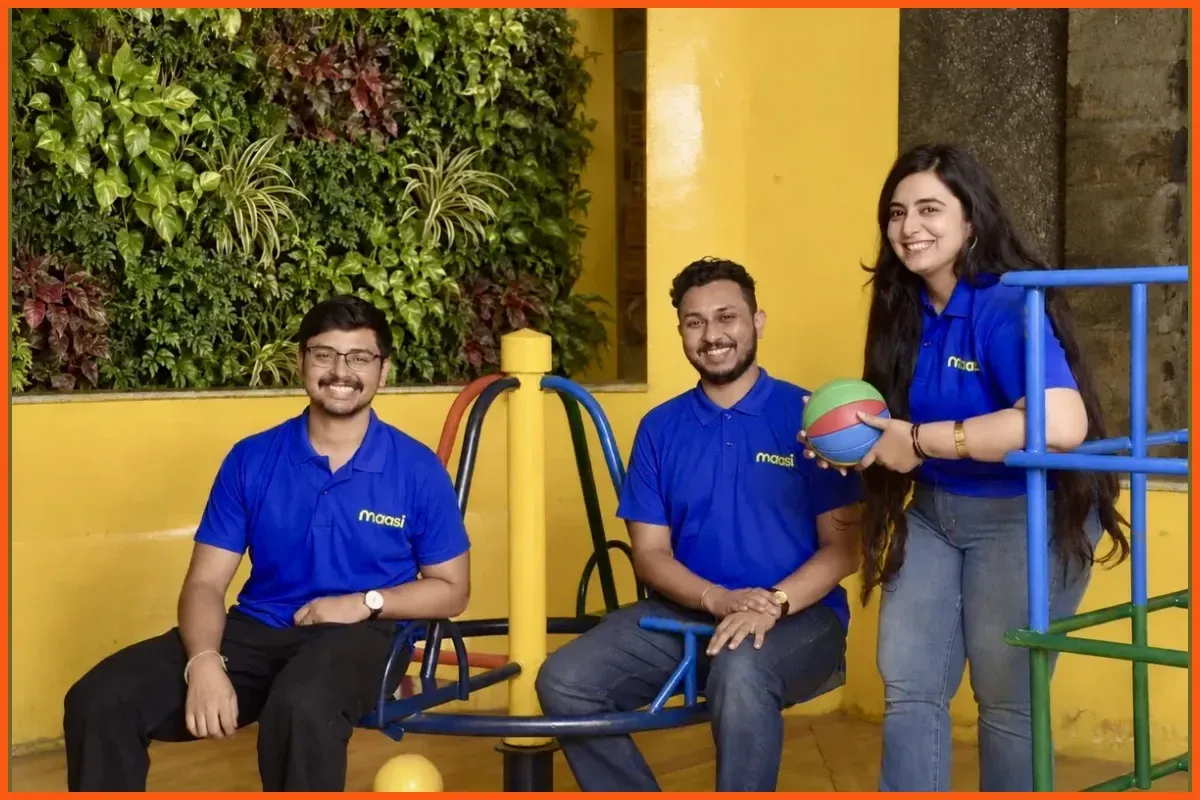
The Bengaluru preventive health company says the Series A, part equity and part debt, was led by Blume Ventures and existing investor South Park Commons. Angels in the round include Arun Sarin, the former Vodafone chief executive, and Srinivas Narayanan, who left OpenAI this year as chief technology officer of its B2B applications business. The money goes into research and development and into AI, engineering and clinical hiring. Cent has also acquired Medsee, an AI platform that drafts radiology reports for specialist review.
Three times the seed, with debt in the mix
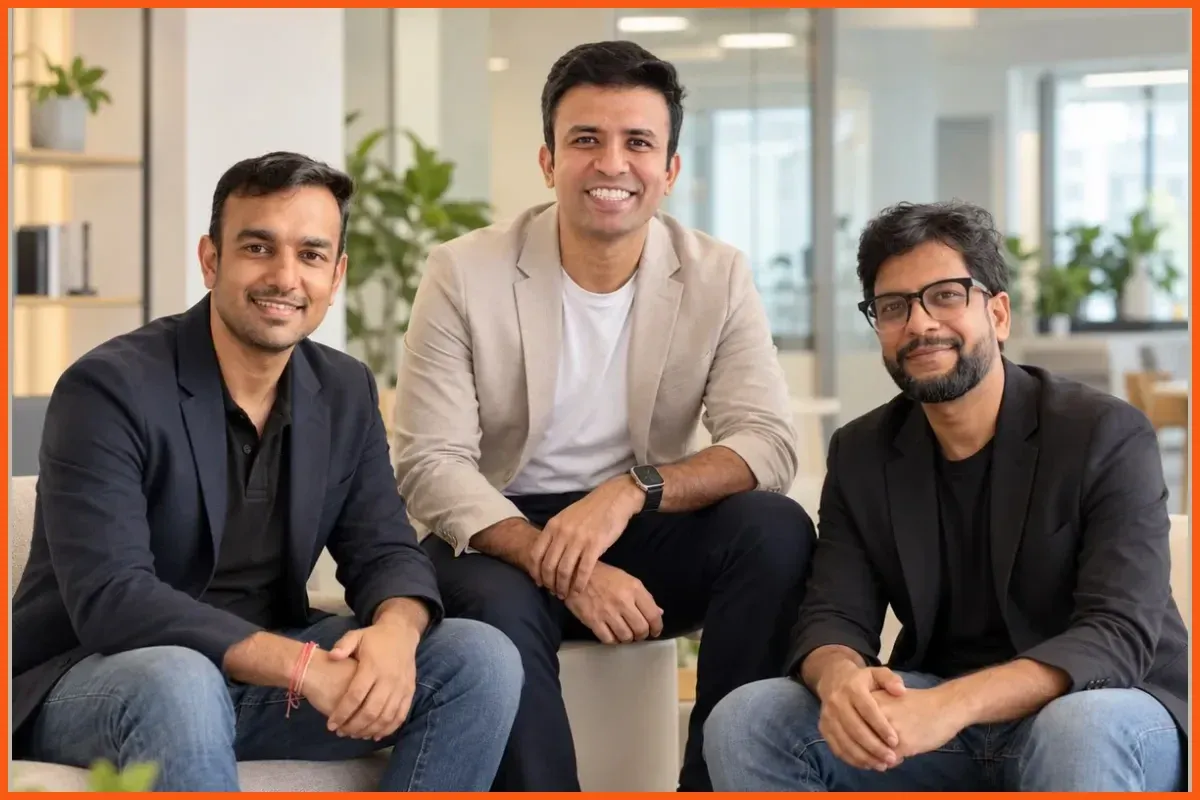
Cent raised about $5 million in March from South Park Commons and OneFlow Holdings, the family office of co-founder Shashank ND, so the Series A is three times that seed. The split between equity and debt has not been disclosed, and neither has the valuation. Cent was founded in 2025 by Shashank, a co-founder of Practo, Anshul Khandelwal, formerly chief marketing officer at Ola Electric, and Arpit Garg, formerly a product head at Lenskart, the company says. Its first centre opened in Bengaluru in April, and it now has centres in Mumbai and Delhi NCR as well.
The count behind 10,000 scans
Cent says it has completed 10,000 preventive whole-body scans and wants to reach 10 million by 2035. Among members who felt well when they came in, it says one in four had a finding worth acting on and one in 40 needed immediate medical attention, including early-stage tumours, badly narrowed arteries and aneurysms.
The count needs a definition. In July, Cent told Inc42 it had done about 7,000 scans and was running about 3,000 a month. At that pace the total would be well past 10,000 by now, so either the pace slowed or the two figures count different things, members in one case and individual tests in the other.
Cent has not said which.
What the research says about scanning people who feel fine
Whole-body MRI for people without symptoms is one of the more contested ideas in screening. A 2019 systematic review in the Journal of Magnetic Resonance Imaging concluded that providers should not offer it outside a research setting, and found a pooled false-positive proportion of 16% across six studies, with a very wide range around that figure. Radiologists at Fred Hutch and UW Medicine say published studies find cancer in about 1% to 2% of adults and that it is unclear whether those cancers would ever have mattered. In a review of 12 studies they cite, 95% of people without symptoms had at least one abnormal finding, though 91% of the findings were not relevant. They add that there is no long-term data showing the scans improve survival, and a Cochrane review now under way describes the evidence on illness and death as uncertain.
Cent's protocol is broader than the MRI-only studies. It adds low-dose CT for calcium and the lungs, DEXA, ECG, an echocardiogram and more than 100 blood and urine markers, and says specialists review every finding the AI flags. Whether that combination improves outcomes is not shown by published data yet. How Cent defines a finding worth acting on, and how many of those led to a confirmed diagnosis, has not been published either. Its website scores the scan 83 on an "Early Detection Index" against 27 for basic tests, a measure the company defines itself, with no outside validation cited.
I read the one-in-four figure as a rate of follow-up work, not of disease.
Priced at roughly half a US full-body MRI
Cent Check starts at ₹23,500 on the company's website, about $250 at current exchange rates, for an annual scan, a six-month checkpoint and up to four doctor consultations. In July it listed a single fixed annual test at ₹27,500. In the US, Function Health bought Ezra in May 2025 and sells a full-body MRI alone for $499. Neko Health, co-founded by Daniel Ek, raised $260 million in January 2025, and Prenuvo raised $120 million the next month. Cent's $15 million, which includes debt, is a small fraction of those rounds.
In July Cent told Inc42 it planned 20 to 25 new centres over six to nine months, and described a technology partnership with Siemens for its imaging equipment. The funding announced now goes to research and hiring, so how those centres will be paid for has not been stated.
Frequently asked questions
How much has Cent raised?
Cent has raised $15 million in a Series A that includes equity and debt, led by Blume Ventures and South Park Commons. It raised about $5 million in seed funding in March 2026.
Who invested in Cent's Series A?
Blume Ventures and existing investor South Park Commons led the round. Individual investors include Arun Sarin, former CEO of Vodafone, Srinivas Narayanan, former CTO of B2B applications at OpenAI, Sharath Narayana, Krishna Sridhar and Aprameya Radhakrishna.
What is the Cent Check?
An annual preventive health check built around a full-body MRI and low-dose CT, plus bone, heart and blood tests, a six-month checkpoint and up to four doctor consultations. It starts at ₹23,500.
Are full-body MRI scans recommended for healthy people?
Not routinely. A 2019 systematic review advised against offering whole-body MRI screening to people without symptoms outside research, and the evidence that it improves survival is still uncertain. Findings that turn out to be harmless are common.