
India Keeps 162.5% Tariff on Bulk Scotch Whisky Imports Despite UK Trade Agreement
Bulk Scotch whisky exports to India now face an effective import duty of 162.5%, sparking a row over the India-UK trade deal which had cut the levy to 75%. Indian authorities say Scotch producers mislabeled bulk cargoes to dodge hefty customs fees.
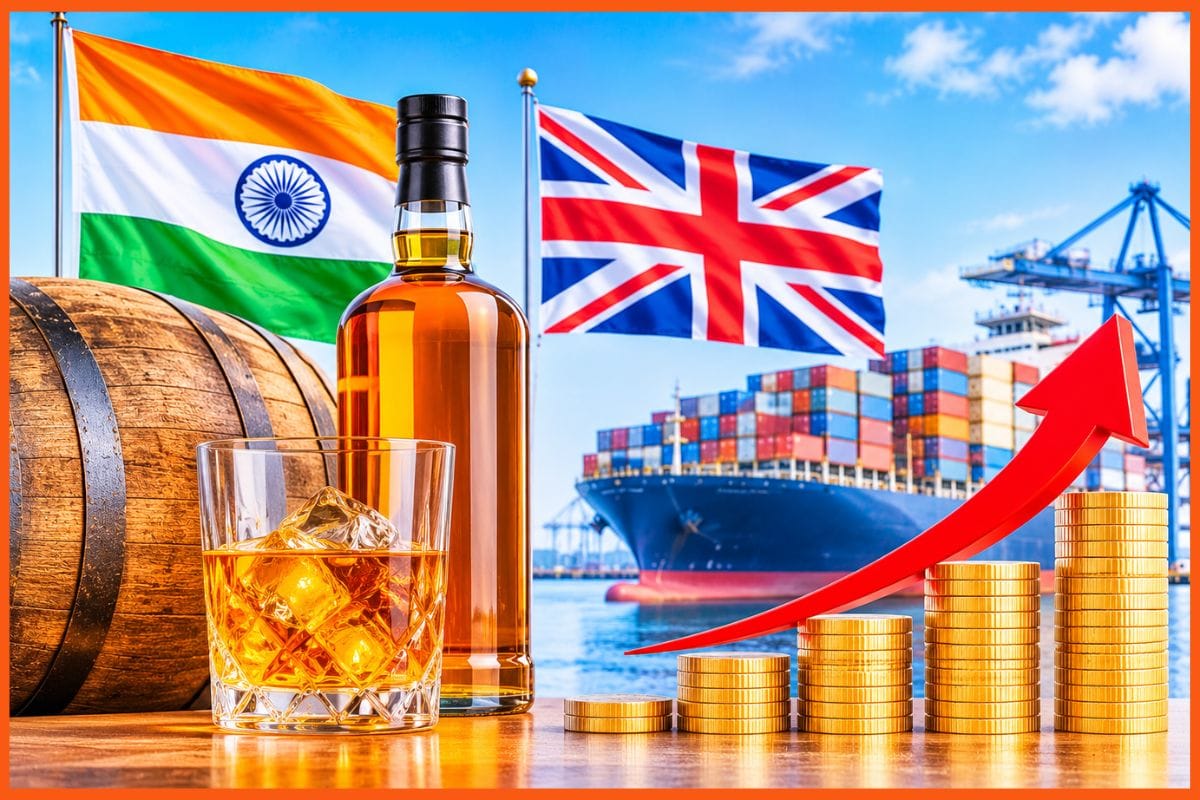
Imports of bulk Scotch whisky into India are now subject to an effective tariff of 162.5% as part of the ongoing dispute over the India-UK trade deal. India is shocking the alcohol industry with levies that are more than double what they were before the historic deal.
Scotch was reduced to 75% as a result of the India-UK trade deal that went into effect in July. Businesses and the British government celebrated this as a victory for corporations like Pernod Ricard and Diageo, who import Scotch in large quantities and mix it to create popular products for India's $65 billion spirits sector.
India Blames UK Scotch Producers of Wrong Doing
Indian officials have claimed that businesses are importing massive Scotch concentrates using the incorrect customs classifications in the first big disagreement related to the India-UK accord. These are considered ingredients for mixed whiskies and other alcoholic beverages. A newly established customs queue for so-called "compound alcoholic preparations" draws a tax of 150% and has been in effect since May, according to Indian investigators.
According to a government document that Reuters obtained and sources with firsthand knowledge of the situation, including customs agents and industry leaders, the full tariff rate for these shipments is 162.5%. More than 80 cargo containers containing thousands of gallons of bulk Scotch whisky from Pernod, Diageo and Bacardi have become stranded at ports as the standoff continues. A so-called "provisional release pending investigation" requires an upfront payment of duty equal to 75% of the value of the items, with bank guarantees covering the remaining amount.
Reactions of Scotch Producers
Scotch imports, whether in bulk or bottled, should only be subject to a 75% tariff, according to the trade treaty, according to Pernod. Pernod controls Chivas Brothers in the UK, Diageo, and numerous other Indian corporations. In a series of remarks, the British government has stated that it is collaborating with New Delhi on the matter, while India has promised a swift resolution. In order to keep operations running, Pernod and Diageo have taken steps to secure bank guarantees and additional financing in order to have their seized containers released. Nevertheless, according to rumours in the media, Bacardi has not yet decided what to do next.
Foreign investors, including companies like Volkswagen and Samsung, have long felt the pain of prolonged trade conflicts. Indian authorities insist they only uphold the law, but business leaders claim New Delhi's classification of imports frequently catches them by surprise. Similar to Pernod and Diageo, three large Mumbai-listed companies—Allied Blenders and Distillers, Tilaknagar Industries, and Radico Khaitan—are being investigated for their bulk Scotch imports. Because they may be required to put up collateral, smaller businesses may find it more difficult to arrange bank guarantees.
It is necessary to record such assurances as contingent liabilities as well. India is the largest market for Scotch whisky in terms of volume, and an estimated 80% of the country's whisky imports come in bulk. Indian-Made Foreign Liquor (IMFL) whisky, which is made by combining a little amount of Scotch with other spirits, is the primary product of bulk Scotch imports. The price of these mass-market whiskies is far lower than that of purely imported brands like Johnnie Walker or Chivas Regal.