

India’s New FDI Policy: Easing Curbs on Chinese Investments After Six Years
India has eased FDI rules for Chinese and neighbouring-country investors, allowing minority, non-controlling stakes via the automatic route. The move aims to revive stalled startup funding, boost manufacturing, and attract global capital while keeping strategic control with Indian entities.
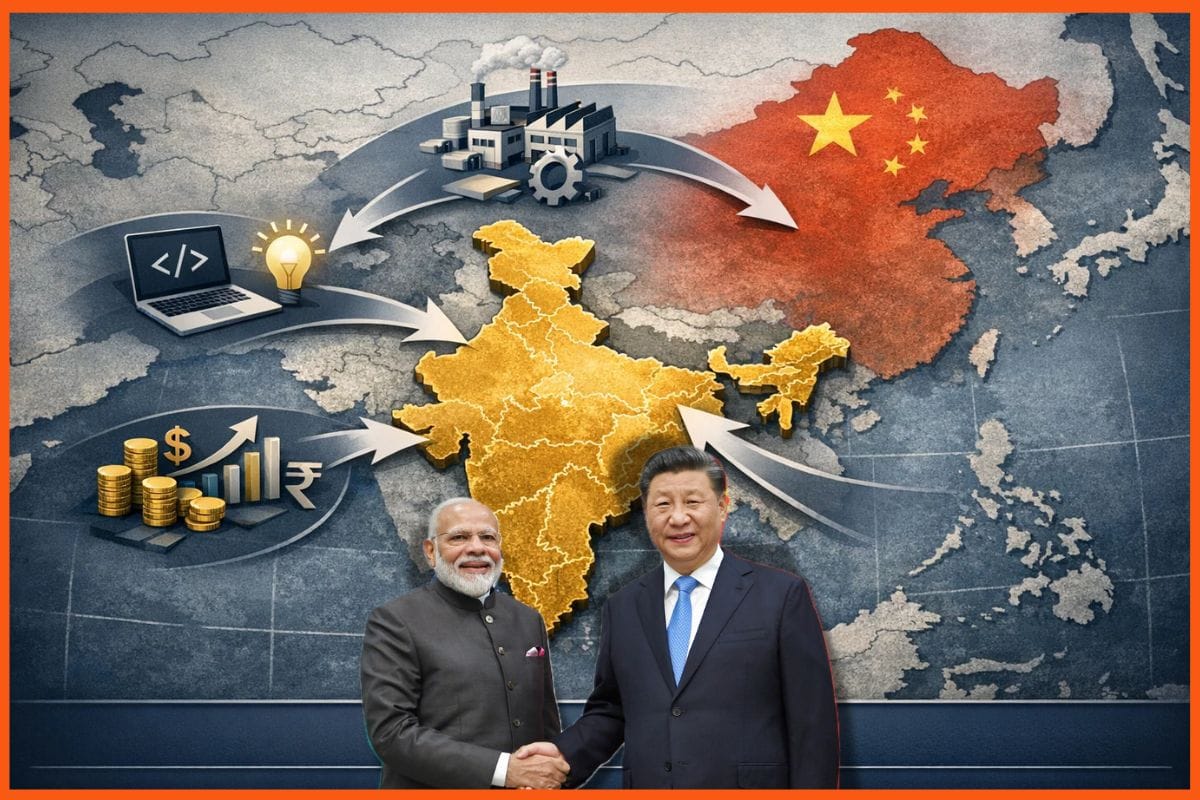
In a major policy shift, the Indian government has moved to easier foreign direct investment (FDI) rules for countries that share a land border with India, including China. The decision, taken on 10 March 2026, aims to reboot stalled capital flows, support startups and boost manufacturing, while retaining safeguards on strategic control. This marks the most significant revision of India’s FDI regime in six years.
What India’s Revised FDI Policy Means for Chinese Investment
The new policy changes the way Chinese and other neighbouring countries' investments are treated under India’s FDI framework:
- Companies with up to 10% beneficial ownership linked to China or land‑border countries can now invest via the automatic route, without prior government approval, as long as their stake is non‑controlling.
- Larger or controlling stakes from Chinese firms still require government clearance.
- Proposals in key sectors such as electronics, solar inputs, capital goods and technology manufacturing will be decided within a 60‑day timeline under the new system.
This adjustment relaxes the rules introduced under Press Note 3 in April 2020, when India tightened FDI norms after border tensions with China. At that time, even minor indirect Chinese involvement triggered compulsory government approval for investment proposals.
Timeline of India’s FDI Rules with China: From 2020 to 2026
April 2020: Press Note 3 Introduced
India brought in strict FDI norms requiring prior approval for any investment with beneficial ownership from China or neighbouring countries. The move aimed to curb opportunistic takeovers amid geopolitical tensions.
2020-2025: Decline in Chinese Capital
Chinese direct investment into India sharply declined. While overall FDI into India remained robust, funds with partial Chinese investors or limited partners found it difficult to deploy capital in Indian companies.
March 10, 2026: Policy Revision Announced
The Union Cabinet approved a recalibrated FDI policy allowing minority and non‑controlling investments from China‑linked investors without prior approval, a notable easing of past restrictions.
Timeline of India-China FDI policy changes and sector impact
| Date / Year | FDI Policy Update | China / Land-border Country Impact | Key Sectors Affected |
|---|---|---|---|
| April 2020 | Press Note 3 introduced | All investments with any Chinese ownership required prior government approval | Startups, tech, manufacturing |
| 2020–2025 | Post-restriction period | Chinese FDI into India sharply declined | All sectors, especially startups |
| 10 March 2026 | Revised FDI rules announced | Minority, non-controlling stakes allowed via automatic route | Electronics, solar inputs, capital goods, tech startups |
Why India Has Eased FDI Norms Now
This policy shift comes as India seeks to balance economic opportunity with national security:
- Startups and global funds had repeatedly flagged that the 2020 restrictions delayed deals and discouraged investment.
- The new rules are designed to attract capital while keeping strategic control with Indian investors.
- By fast‑tracking approvals in manufacturing and technology sectors, India is also looking to strengthen its Make in India vision and reduce dependence on imports.
Government officials have emphasised that the easing is not a blanket pass for Chinese firms, especially those headquartered in China or Hong Kong, but rather a way to open doors for global capital structures that include minority Chinese interests.
Expected Impact on Indian Startups and Venture Capital Funding
Industry experts believe the revised FDI policy could have several effects:
1. Revival of Stalled Funding Rounds
Many venture capital funds previously hesitated to invest in Indian startups due to complex approval processes triggered by even small Chinese ownership. The changes could help unlock capital that has been on hold.
2. Increased Global Fund Participation
Funds with international limited partners, including Chinese investors, may now find it easier to commit to Indian companies. This could lead to greater foreign participation in India’s tech ecosystem.
3. Boost to Manufacturing and Electronics Investment
With a defined 60‑day decision timeline, manufacturing sectors critical to India’s economic goals, such as electronics, solar inputs and capital goods, are expected to see quicker foreign investment flows.
However, some investors caution that changes may not trigger an immediate surge in capital from China or associated entities, given lingering geopolitical sensitivities.
Government Safeguards and Future Outlook
Key safeguards remain in place:
- Majority shareholding and management control must remain Indian in strategic sectors.
- Sensitive industries will continue to be subject to government scrutiny.
The policy change is expected to be formally notified soon and may evolve as India fine‑tunes its approach to foreign investment in a changing global economy.
Overall, the revised FDI framework reflects a pragmatic reset, opening India’s doors wider to foreign capital while protecting critical economic and security interests.