
Intraday Trading Showdown: Why Charting Tools and Execution Speed Matter More Than Zero Brokerage
Most people chase zero brokerage first. They open an account, see the low fee, and feel ready. Then the session starts and reality hits. Price moves fast. Charts lag. Orders sit in queue. The cheap fee means little when the fill comes three ticks late.
Picture a typical Tuesday morning. The market opens. You watch a stock break a level you marked the night before. The candle prints higher. You hit buy. On a slow platform the order reaches the exchange after the next bar has already formed. Slippage takes the edge you planned. On a fast one the fill lands inside the same candle. That single difference decides whether the trade pays or costs you money.
What really eats the edge
Every trade carries spread and slippage. On five minute charts those costs can swallow most of the expected move. A setup that looks clean on paper loses half its value before the order confirms. Daily charts hide the same costs because they happen less often. Intraday trading pays the toll many times a day. Speed of execution and clarity of charts therefore matter more than the headline brokerage number.
Charts that keep up
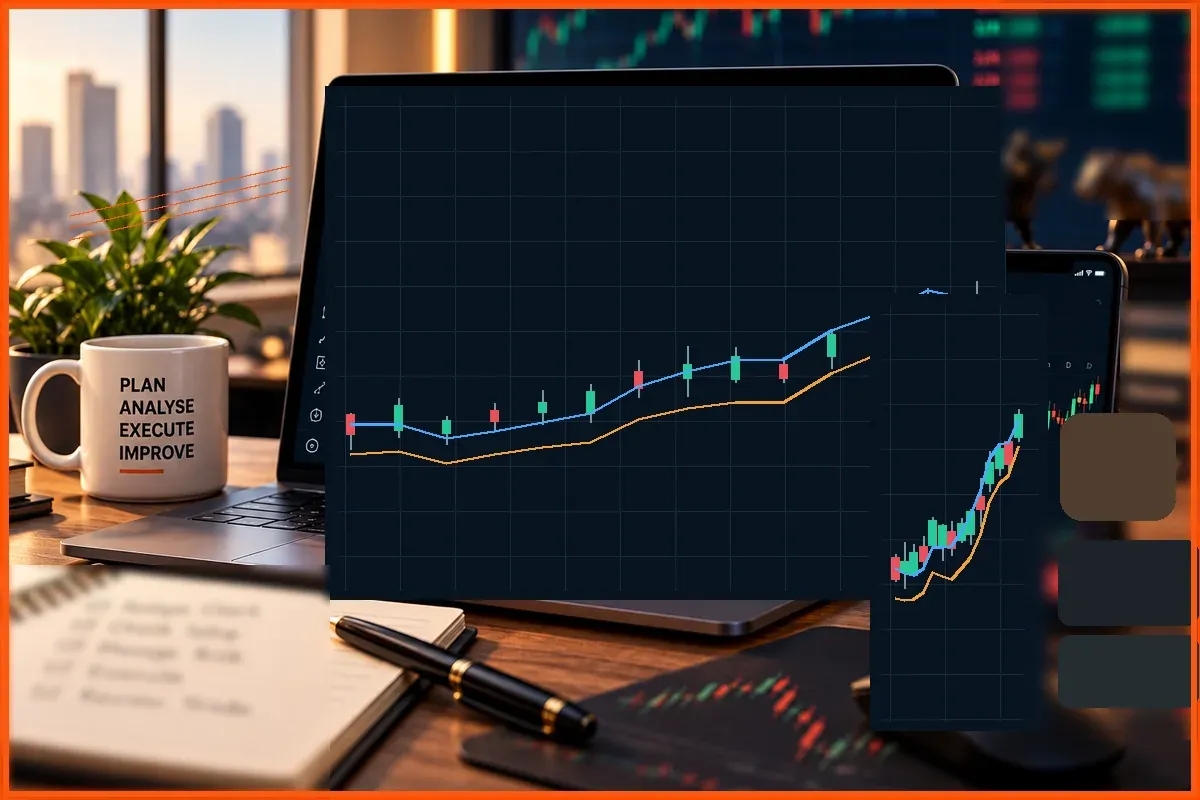
Good charting tools show volume spikes, order flow changes, and support levels without delay. You see the break the moment it happens. You set the stop at the exact price the structure demands. Weak charts redraw late or freeze when the market is busy. You end up guessing instead of reading. The best platforms like HDFC Sky keep multiple timeframes open side by side so you can check the bigger picture without leaving the main screen.
Execution that does not lag
Speed is not only about the software. It is about how the system talks to the exchange. A trading app that places the order in milliseconds keeps your planned risk intact. One that waits even a second can turn a winning idea into a scratch or a loss. Margin checks, order type selection, and stop loss placement all need to happen in one smooth flow. Any extra click costs time you cannot get back.
Brokerage is the smaller number
Zero or near zero brokerage looks attractive on a brochure. In practice the fee is a fixed cost. Slippage and missed fills are variable and often larger. A trader who pays a small fee but gets clean fills ends the day ahead of one who pays nothing and bleeds on every entry. The arithmetic is simple once you track actual results instead of advertised rates.
How to test the difference
Open a paper account on two platforms. Run the same five trades on both. Record the planned entry, the actual fill, and the time between decision and confirmation. The gap will show which system protects your edge. Do this for a week. The numbers usually settle the argument faster than any sales pitch.
Choosing what fits your day
If you can sit through the open and the first two hours, fast charts and quick execution give you the best chance. If your time is limited, the same tools still help because they cut the seconds you need to act. Either way the platform that keeps you close to the live market beats the one that only promises free trades.
Intraday trading rewards the trader who sees the move first and gets filled closest to the planned price. Charting tools and execution speed deliver that advantage every single session. Brokerage is just the receipt that comes after.