

India LPG Shortage Shuts 20% of Mumbai Restaurants, Disrupts Bengaluru and Chennai; Hotel Stocks in Focus
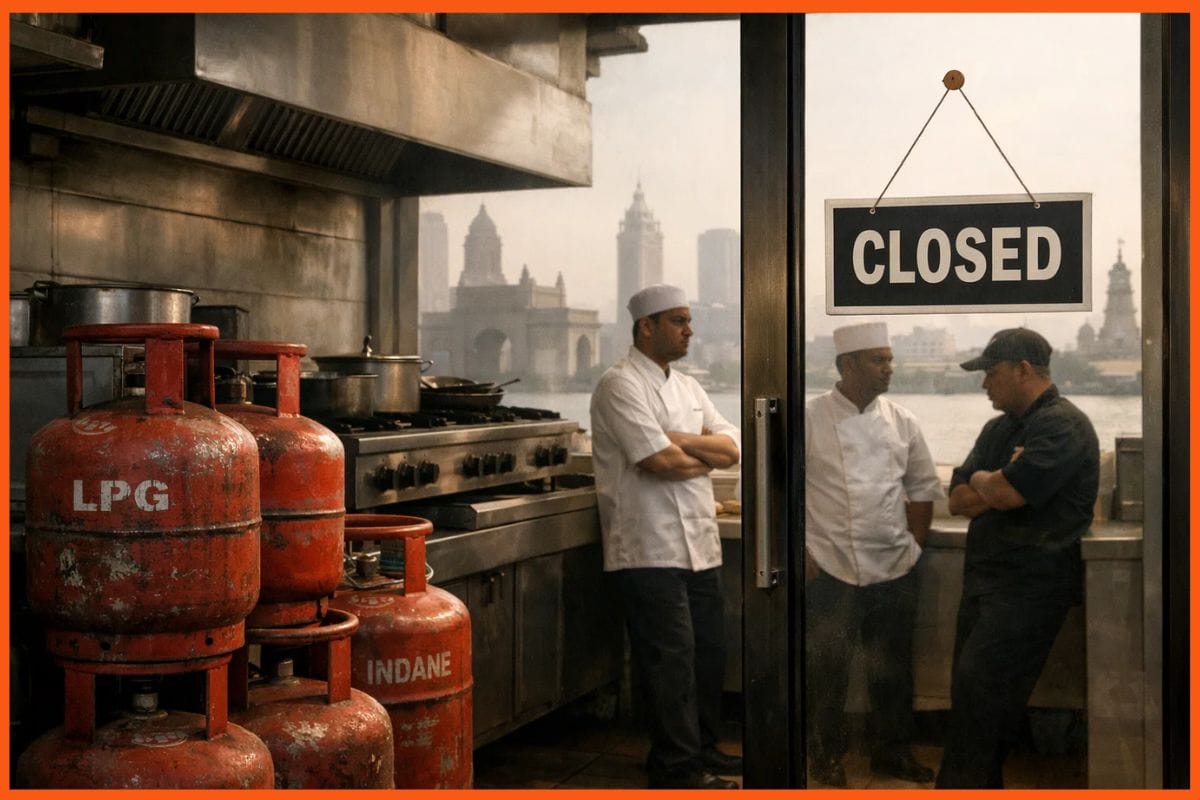
Mumbai has been hit the hardest so far. Industry groups say around 20% of hotels and restaurants in the city have temporarily shut because they cannot secure commercial LPG cylinders.
According to the Hotel and Restaurant Association of Western India, many establishments ran out of cooking gas over the past few days. If supplies do not resume soon, the association warns that another 50% of restaurants could shut within two days.
Restaurant owners say the situation worsened after distributors stopped deliveries following a March 5 government directive that prioritised LPG supply for household use.
Several owners have written to Union Petroleum Minister Hardeep Singh Puri seeking urgent intervention. In some areas, reports suggest that black-market prices for cylinders have surged as businesses scramble to keep kitchens running.
For customers, the impact is already visible. Many popular eateries that serve office workers and families are either closed or operating with limited menus.
Bengaluru, Chennai and Pune Eateries Cut Operations
The LPG shortage has spread beyond Mumbai. Restaurant associations in Bengaluru and Chennai warned that many eateries may shut operations on March 10 if supplies remain unavailable.
Hotel owners say distributors are reporting empty stocks. As a result, several restaurants have reduced cooking hours, cut menu options or closed earlier than usual.
In Pune, smaller eateries and mess services are struggling to remain open. These businesses depend entirely on commercial LPG for daily cooking.
Students and office workers are among the worst affected. Many rely on budget mess services and small hotels for regular meals. Without LPG, these kitchens cannot operate.
Industry reports also suggest that panic buying in some regions may have added pressure to already strained supplies.
West Asia Tensions Disrupt LPG Supply Chain
The shortage is linked to supply disruptions in the global LPG market. Tensions in West Asia have affected shipping routes and energy trade flows.
India imports more than half of its LPG requirements, with major supplies coming from Saudi Arabia, Qatar and the UAE. Any disruption in these routes can quickly affect domestic availability.
The situation has been compounded by a recent ₹115 increase in the price of a 19-kg commercial LPG cylinder. For restaurants already facing limited supplies, the higher cost adds further pressure.
Industry observers say the combination of supply disruptions and rising prices has triggered shortages in several parts of the country.
Government Moves to Stabilise LPG Supply
The Ministry of Petroleum and Natural Gas has asked oil marketing companies such as Indian Oil, Bharat Petroleum (BPCL), and Hindustan Petroleum (HPCL) to increase LPG production from refineries.
Officials have prioritised LPG supplies for households, hospitals and schools. A panel of executives is reviewing requests from the hospitality sector to improve distribution for commercial users.
As of March 10, domestic LPG bookings continue but with a 25-day gap between orders to prevent hoarding. However, commercial LPG deliveries remain uneven in several cities.
Authorities have clarified that there is no official ban on LPG supplies to businesses, but supply chain challenges remain at the distributor level.
The government is also exploring additional LPG imports from countries such as Algeria and Australia, though these measures may take time to ease the shortage.
Hospitality Stocks in Focus Amid LPG Crisis
The LPG shortage has also caught the attention of investors. Hospitality and quick-service restaurant stocks saw mixed movement in trading on March 10.
Westlife Foodworld rose about 1.5%, while Jubilant FoodWorks slipped around 1.3%. Shares of Indian Hotels Company edged slightly higher.
Food delivery platforms, including Swiggy, saw mild declines as investors weighed the impact of restaurant shutdowns on order volumes.
Industry groups such as the Federation of Hotel & Restaurant Associations of India (FHRAI) and the National Restaurant Association of India have urged the government to act quickly to stabilise LPG supplies.
Restaurants, Students and Small Businesses Feel the Pressure
The crisis is affecting more than just restaurants. Small caterers, roadside eateries and hostel mess services are also struggling to operate.
Students and office workers who depend on these services for affordable meals are now searching for alternatives.
Some businesses are attempting temporary solutions such as electric cooking equipment or alternative fuels. However, these options are costly and not practical for many small establishments.
If the shortage continues, industry experts warn it could lead to higher food prices, reduced services and possible job losses in the hospitality sector.
For now, restaurants across major Indian cities are hoping that supply chains stabilise soon and that commercial LPG deliveries return to normal.