Musk Blames ‘Certain Oligarchs’ for Starlink’s Delayed India Entry
Elon Musk has accused “certain oligarchs” of blocking the introduction of Starlink in India to protect a monopolistic stranglehold on the market. Starlink has made significant investments in India and is awaiting government clearances such as foreign direct investment and security clearance.
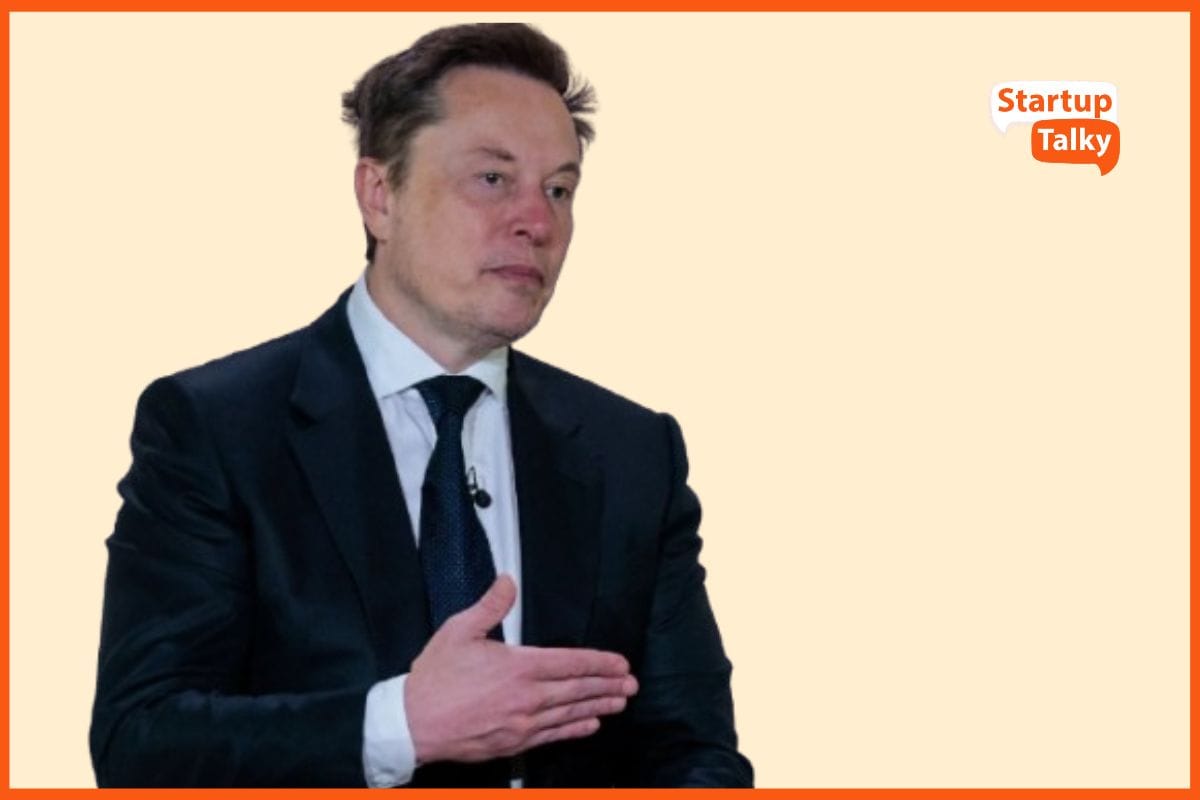
After a senior executive announced at a public forum that Starlink had invested in the Indian market and was prepared to launch operations once it received the official approval. However, American billionaire and founder of SpaceX and Tesla Elon Musk accused "certain oligarchs" of obstructing the company's entry into the Indian market.
Musk did not mention any specific groups or companies, despite the fact that he controls social media platform X. "Unfortunately, we are being blocked by certain oligarchs in order to maintain their monopolistic chokehold on the Indian people. You can guess who they are… This is a crime against the people of India!" Musk said in a post on X late 7 October's evening.
Unfortunately, we are being blocked by certain oligarchs in order to maintain their monopolistic chokehold on the Indian people. You can guess who they are …
— Elon Musk (@elonmusk) October 7, 2026
This is a crime against the people of India! https://t.co/t3YONgpcm7
India’s Satellite Internet Battle Toughen Up
Three companies have applied to provide broadband internet via satellite in India, and Starlink is one of them. Two more companies are now awaiting security clearances after being handed licences; one is Eutelsat OneWeb (now Eutelsat Group), supported by the Bharti Group. The other is Jio Satellite Communications, a subsidiary of Reliance Jio, backed by Reliance Industries. At the same time, Jio is developing its own constellation of low-Earth-orbit (LEO) satellites to compete with industry heavyweights like Starlink and Amazon Leo.
Both are considering expanding into the Indian market. The Union Cabinet has not yet given its approval to the 5% spectrum charge that has been recommended by the Department of Telecommunications. None of the businesses can debut commercially until the necessary government certifications and approvals are obtained. Those in the know say that India is trying to get guarantees that it can still control the satellite systems in the event of an emergency. SpaceX VP Lauren Dreyer had earlier stated that the firm was prepared to enter the Indian market the moment India gave the go-ahead, which was hours before Musk made his post. Additionally, she mentioned that the company's activities were tailored to meet India's security needs.
Starlink Already Invested Heavily in India
Foreign direct investment and security clearance from the Indian government are still pending Starlink's application. Nevertheless, the company possesses a Global Mobile Personal Communication via Satellite license and IN-SPACe's approval. Over twenty gateway locations are prepared to start operations, according to Dreyer, who stated that Starlink had previously invested in India. According to her, the corporation was also making sure that for its operations to be legal in the country, it had to meet certain security standards.
Starlink has spent the last five years establishing partnerships with state governments and forming alliances with industry giants like Airtel and Jio, as pointed out by Dreyer, in order to study the market and get ready to launch operations. She elaborated on how the company has tailored its Starlink operations to meet the unique security and regulatory needs of India. Consequently, implementing controls at every level for India and ensuring that user data from India remains within India. Twenty gateway sites, totalling hundreds of antennas, make up the existing ground infrastructure that it has already invested in and built. In addition, the necessary activities have been set up to cater to the Indian market, she added.