Ola Electric Gets Regulatory Green Light for Commercial Electric Scooter Rollout
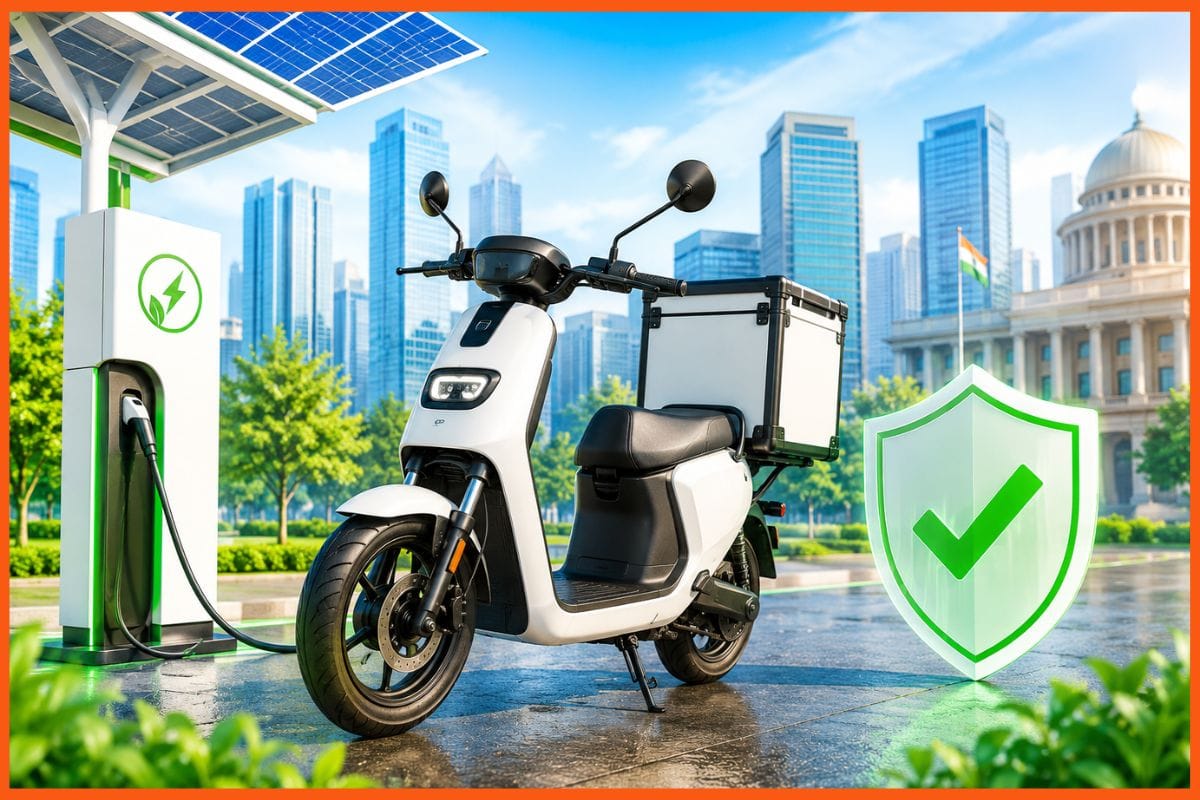
According to a government certification document, Ola Electric has obtained regulatory approval for a new electric scooter targeted at India's commercial mobility market. This could mean that the business is getting ready to join the commercial electric two-wheeler market, which is experiencing rapid growth as soon as this quarter.
Under the Central Motor Vehicle Rules (CMVR), the Automotive Research Association of India (ARAI) approved a 4-kilowatt electric scooter in the L1 category in February 2026, with a maximum speed of approximately 70 kilometres per hour. Ola Electric's current S1 platform appears to serve as the vehicle's foundation. But the vehicle will serve business use cases like urban fleet operations, quick-commerce logistics, and food delivery.
Ola Striking the Deal at the Right Time
The timing couldn't be more perfect for Ola Electric, as commercial electric two-wheelers are quickly becoming a promising market for electric vehicle producers. Electric vehicles are gaining popularity among delivery companies and gig economy employees due to their high daily utilisation, reduced operating expenses, and faster replacement cycles. This change is happening faster because of policy actions as well.
The draft EV Policy 2026 of Delhi suggests that the registration of new petrol-powered two-wheelers be phased out within two years, which has the potential to increase the level of EV adoption among fleet operators. As stated in the certificate, Ola's scooter is built for two riders and driven by an AC PMSM motor with a max power output of 3.93 kW. According to sources, these regulatory clearances are often one of the last things needed before a vehicle is released to the public. Hence, it's possible that the vehicle is almost ready for launch.
|
Some
Interesting Facts of the Story |
|
1.Commercial electric scooters are becoming
highly attractive because gig workers can save significantly on fuel and
maintenance costs. 2.India’s booming quick-commerce industry
is creating massive demand for electric delivery vehicles. 3.Industry experts believe commercial EV
adoption could scale faster than personal EV adoption due to predictable
fleet economics. |
How this Move Could be a Game-Changer for Gig Workers?
The commercial electric two-wheeler market is seen by industry experts as a promising space for future growth. This is largely attributable to the fact that delivery and mobility fleets experience high daily vehicle utilisation rates and speedier replacement cycles. In a recent interview, Bhavish Aggarwal, founder and chairman of Ola Electric, discussed the increasing demand for electric two-wheelers among gig workers. The major source of this increase is the significant rise in fuel prices. Nonetheless, Aggarwal made no mention of any forthcoming commercially orientated vehicle in his X posts.
Launching the scooter this quarter would be Ola Electric's way of getting into the commercial mobility EV category, which is growing fast in India. This means that competition is heating up in a market that is being considered crucial to the widespread adoption of electric vehicles in the future. Many in the industry are of the opinion that the combination of fleet demand, driver networks, and lease ecosystems might significantly speed up the adoption of commercial electric vehicles.
|
Quick
Shots |
|
• Ola Electric has received regulatory
approval for a new commercial electric scooter under India’s CMVR norms. • The certification was granted by
Automotive Research Association of India in February 2026. • The approved scooter belongs to the L1
category and has a top speed of nearly 70 km/h. • The vehicle is reportedly based on Ola
Electric’s existing S1 scooter platform. |