Petrol and Diesel Prices in India Remain Steady on March 2, 2026: Check City-Wise Rates and What It Means for Businesses
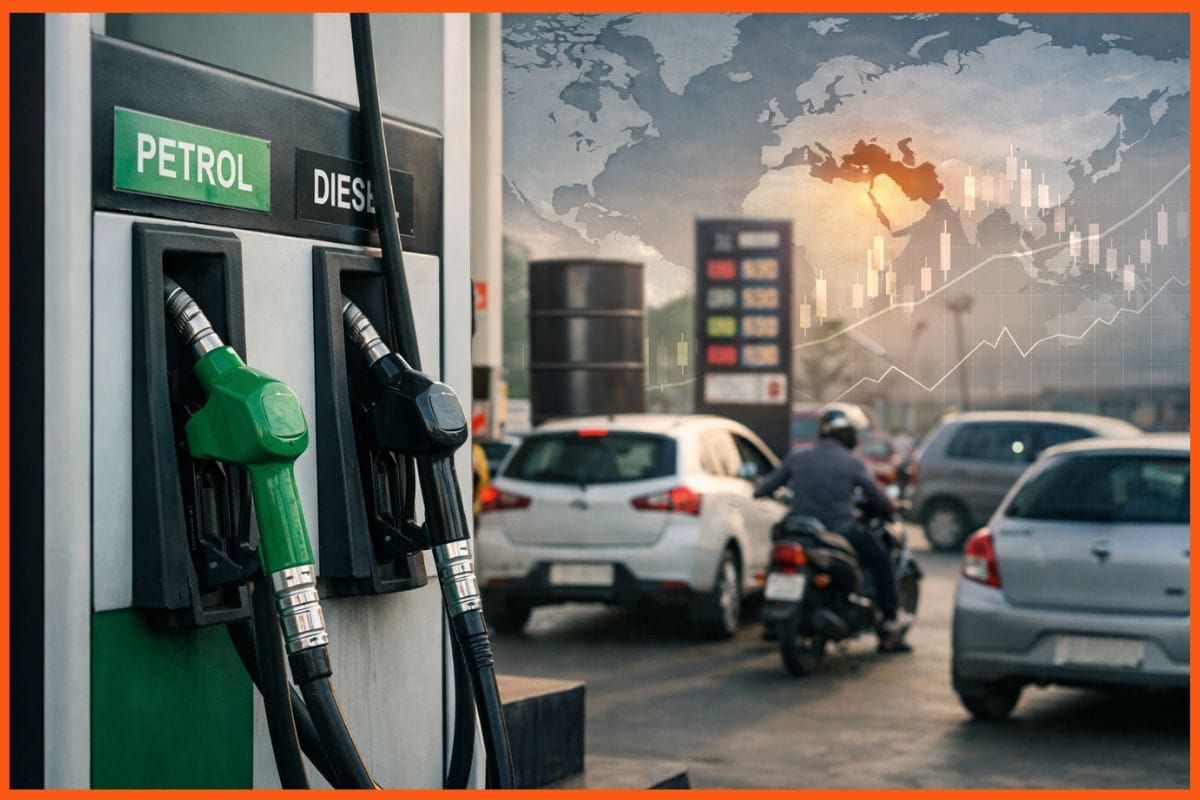
State-owned oil marketing companies (OMCs) released the latest petrol and diesel prices for March 2, 2026, with fuel rates largely remaining unchanged across major Indian cities. The daily revision, announced at 6 a.m., reflects India’s dynamic fuel pricing system, where retail prices are adjusted in line with global crude oil trends and currency movements.
While there has been no immediate price revision, rising global oil uncertainty continues to keep markets and businesses on alert.
Petrol and Diesel Prices Today: City-Wise Fuel Rates in India
Fuel prices differ across cities due to variations in state taxes, transportation costs, and local levies. Below are the latest petrol and diesel prices in key Indian cities:
| City | Petrol (₹/litre) | Diesel (₹/litre) |
|---|---|---|
| Delhi | ₹94.72 | ₹87.62 |
| Jaipur | ₹104.72 | ₹90.21 |
| Surat | ₹95.00 | ₹89.00 |
| Kolkata | ₹103.94 | ₹90.76 |
| Chandigarh | ₹94.30 | ₹82.45 |
| Hyderabad | ₹107.46 | ₹95.70 |
| Pune | ₹104.04 | ₹90.57 |
| Firozabad | ₹94.49 | ₹90.17 |
| Indore | ₹106.48 | ₹91.88 |
| Bangalore | ₹102.92 | ₹89.02 |
| Patna | ₹105.58 | ₹93.80 |
| Chennai | ₹100.75 | ₹92.34 |
| Lucknow | ₹94.69 | ₹87.80 |
| Nasik | ₹95.50 | ₹89.50 |
| Mumbai | ₹104.21 | ₹92.15 |
Fuel prices vary between states mainly due to differences in VAT, transportation costs, and local taxes imposed by state governments.
Oil companies such as Indian Oil, Bharat Petroleum, and Hindustan Petroleum revise rates daily under India’s dynamic pricing mechanism, allowing even small global crude movements to influence domestic fuel prices.
Why Fuel Prices Are Stable Despite Global Oil Uncertainty
While petrol and diesel prices in India remain steady, global oil markets are facing uncertainty due to ongoing geopolitical tensions in the Middle East, a key oil-producing region. Concerns around supply disruptions and shipping routes have caused crude oil prices to fluctuate in recent weeks.
India imports nearly 85% of its crude oil needs, which means international developments play an important role in deciding domestic fuel costs. When global crude prices rise or fall, oil marketing companies in India eventually feel the impact.
However, fuel prices in India do not change immediately with every global movement. Oil companies usually revise retail prices gradually, taking into account factors such as the rupee’s value against the US dollar, existing fuel inventories, and overall economic stability.
As a result, consumers are currently seeing stable fuel prices even though global oil markets continue to remain uncertain.
Business Impact: Why Stable Fuel Prices Matter for the Economy
Even minor changes in petrol and diesel prices have wide-ranging economic implications. Stable fuel rates offer short-term relief for several sectors:
- Logistics and e-commerce: Transportation costs remain predictable, helping delivery companies manage margins.
- Manufacturing and MSMEs: Stable diesel prices reduce operating uncertainty for factories and supply chains.
- Retail and agriculture: Lower volatility prevents sudden increases in goods prices and food inflation.
Fuel costs directly influence inflation because transportation affects almost every product category. When prices remain stable, businesses can plan inventory and pricing strategies more confidently.
For startups and mobility-focused companies, predictable fuel pricing also supports demand stability in ride-hailing, delivery services, and intercity transport operations.
How Fuel Prices Are Decided in India
India follows a market-linked pricing model introduced in recent years. The final retail price includes:
- Global crude oil cost
- Refining and freight charges
- Central excise duty
- State VAT
- Dealer commissions
Taxes and levies account for a significant share of the final pump price, which explains why fuel rates differ widely across cities despite similar base costs.
What to Watch Next
Market analysts believe fuel prices could face upward pressure if global crude oil continues rising in the coming weeks. Any sustained increase may eventually pass through to consumers and businesses.
For now, motorists and companies alike are seeing stability at fuel pumps, but global developments suggest that the situation remains fluid.
 StartupTalky News