Zomato Targets Health-Conscious Consumers With New Healthy Subscription Plans
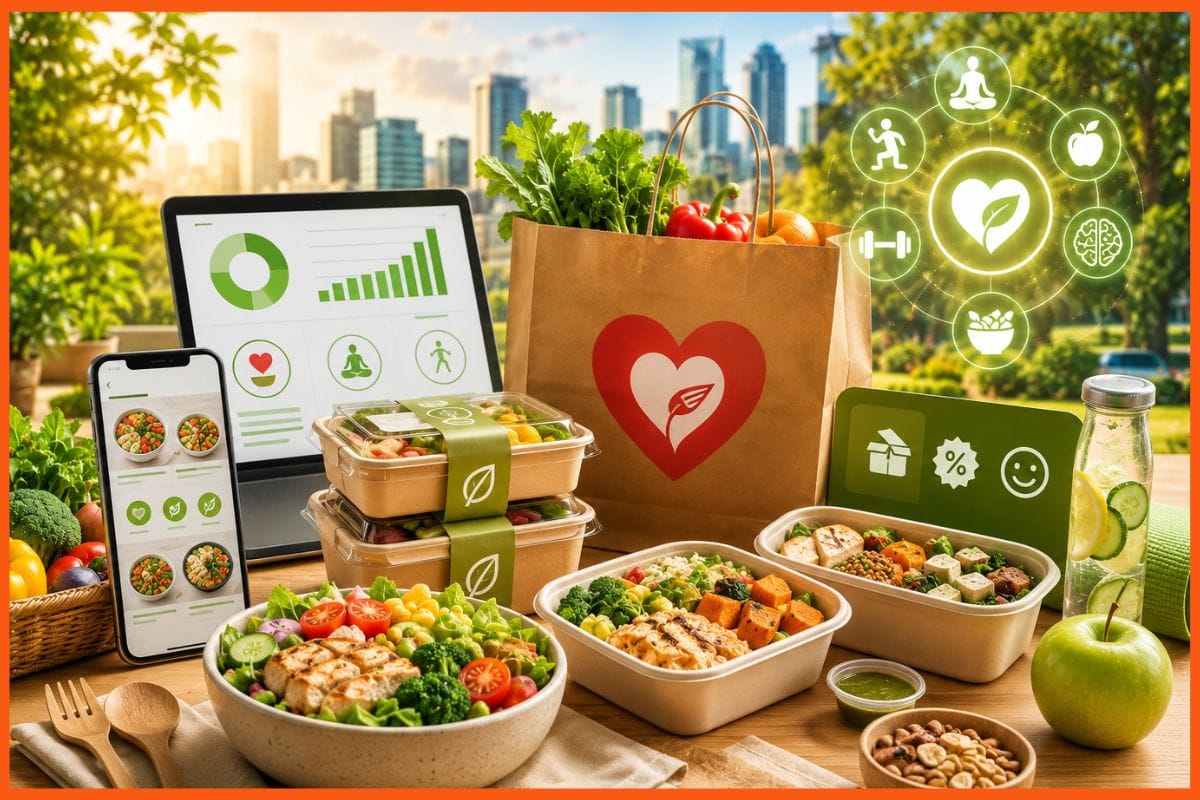
Under its Healthy Mode service, Zomato has introduced a new tool called "Healthy Subscriptions" that allows users to pre-plan nutritious meals from participating eateries. Users can subscribe to a curated 3-, 5-, or 15-day meal plan for lunch and dinner using this service. In addition, clients have the option to personalise their meals ahead of time, change their delivery dates, alter their addresses, or cancel their subscriptions as needed.
Based on factors including protein density, fibre content, product quality, carb density, and cooking methods, all of the dishes available under the subscription menu have a "high" healthy score according to Zomato. These nutritional insights, according to the business, are created by AI utilising data already present on the site. With more cities set to be added in the near future, the feature is already available in Delhi NCR, Mumbai, and Bengaluru.
Zomato Focussing on Healthy Nourishment
Zomato cofounder Deepinder Goyal stated in September 2025 that the company's goal was to increase the availability of "genuinely nourishing food" for its customers. On a related note, Zomato introduced Healthy Mode in 2025 to aid customers in finding healthier menu alternatives. The feature ranks foods from "Low" to "Super" according to various nutritional criteria, such as the amount of protein, fibre, complex carbs, and micronutrients they contain.
The most recent change occurs as competition heats up in India's rapidly growing healthy food delivery segment. Big players like Zomato and Swiggy are fighting for a bigger share of the $25 billion healthy food and beverage market in the country by 2030. Health consciousness, the size of the middle class, and the popularity of online marketplaces are all on the rise, which is fuelling the industry's progress. Consumers' eating habits and food ordering habits are being influenced by the growing desire for healthier snacking and functional food products.
|
Some Interesting Facts of the Story |
|
1.Zomato’s AI evaluates meals using
multiple nutrition indicators like protein density, fibre content, carb
quality, and cooking methods. 2.India’s healthy food and beverage market
is expected to reach $25 billion by 2030, making it one of the
fastest-growing food segments. 3.The launch highlights how food-tech
companies are increasingly combining AI, nutrition science, and subscription
models to build customer loyalty. |
Financial Outlook of Zomato Parent Eternal
Eternal, parent company of Zomato, recorded a 4.5X increase in net profit to INR 174 Cr in Q4 FY26 from INR 39 Cr the previous year. Revenue from operations for the quarter came in at INR 17,292 Cr, up 196% year over year and 6% quarter over quarter. Adjusted EBITDA increased 24% year over year to 532 Cr INR, and operating revenue increased 33% year over year to 2,737 Cr INR, according to Zomato's quarterly report.
After hitting rock bottom in Q1 FY26, the food delivery company has witnessed a structural rebound, according to Goyal, who commented on the performance. He claims that the improvement was not due to an unexpected surge in demand but rather to concerted attempts to target more price-conscious consumer segments. Zomato announced focused client engagement campaigns, increased the number of economical dinner options (some of which cost less than INR 250), and dropped the free-delivery threshold for Gold customers from INR 199 to INR 99 as part of this plan.
|
Quick Shots |
|
• Zomato has launched “Healthy
Subscriptions” under its Healthy Mode feature to target health-conscious
consumers. • Users can subscribe to curated 3-day,
5-day, and 15-day healthy meal plans for lunch and dinner. • The subscription service allows customers
to customise meals, reschedule deliveries, change addresses, and cancel plans
flexibly. • Zomato’s AI system evaluates dishes based
on protein density, fibre content, carb quality, ingredients, and cooking
methods. |