Brand Licensing in India: How Businesses Can Turn Brand Equity Into New Revenue
Brand licensing is moving beyond merchandise. Discover how Indian businesses can use established brands, characters and IP to enter new categories, reach consumers and create additional revenue streams.
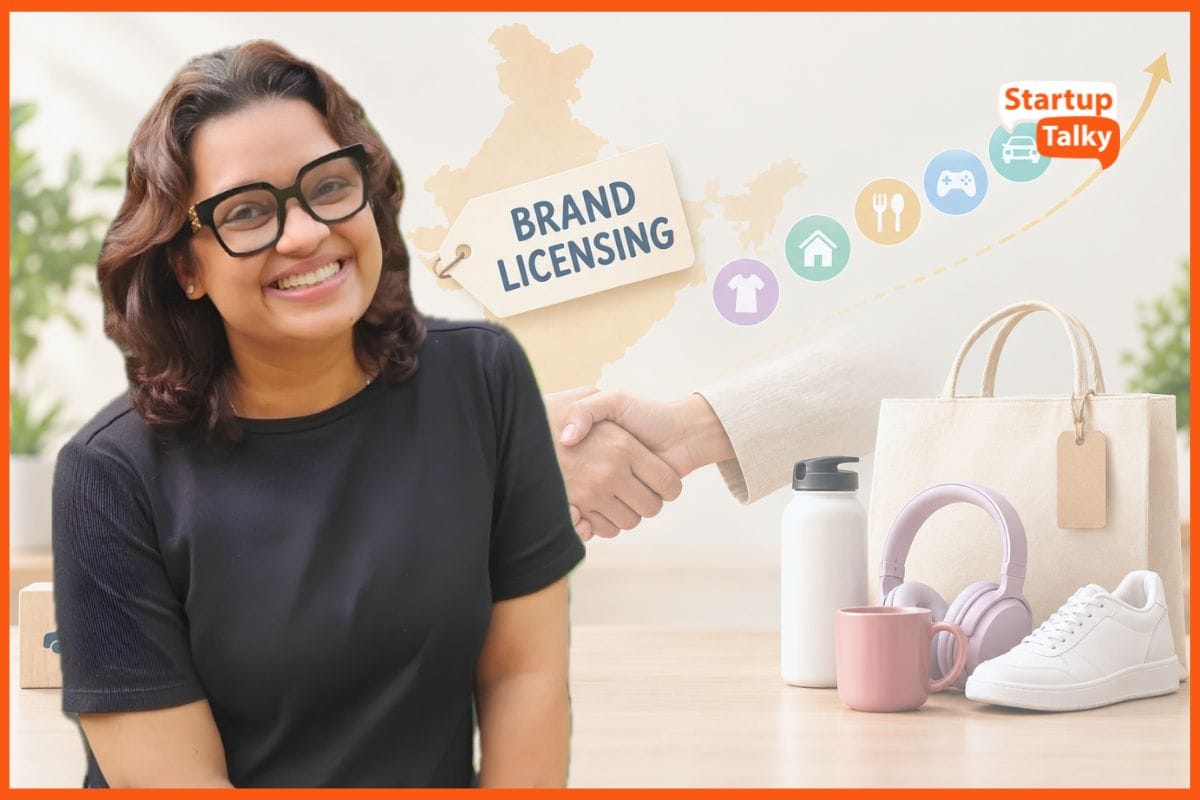
This article has been contributed by Shipra Dubey, Founder, The Good Old Brands (TGOB) | Director, LMCA India | Brand Licensing & IP Strategist
The global licensing industry is no longer just about putting popular characters on merchandise. It has become a major business model, connecting brands, intellectual property (IP), manufacturers, retailers and consumers across categories.
According to Licensing International’s 2025 Global Licensing Industry Study, sales of licensed merchandise and services reached $389.8 billion in 2025, growing 5.45% year-on-year. Entertainment and characters remained the largest property category at $161.8 billion, followed by corporate brands at $98 billion and sports at $44.4 billion.
India is still an emerging market within this global licensing ecosystem, but the opportunity is significant. With a large consumer market, strong entertainment and sports fandom, a growing retail ecosystem and a well-established manufacturing base, Indian businesses have the ingredients to use licensing beyond traditional merchandise.
How Licensing Creates New Revenue Streams
For most businesses, growth usually means selling more of what they already sell.
Open more stores. Add more products. Enter another city. Spend more on marketing.
But there is another way to grow that and Indian businesses are still only beginning to explore: licensing.
At its simplest, licensing is about allowing another business to commercially use the equity of an established brand, character, personality, institution or intellectual property in return for a fee or royalty.
But the real opportunity is much bigger than putting a logo on a T-shirt. Licensing can help a company enter an entirely new category, create a new consumer proposition, add credibility to an existing business and, importantly, create an additional revenue stream without having to build the brand from zero.
And globally, this is already a very large business.
According to Licensing International's latest Global Licensing Industry Study, sales of licensed merchandise and services reached $389.8 billion globally in 2025, growing 5.45% year-on-year and faster than the broader global retail market. Entertainment and characters remained the largest property category at $161.8 billion, followed by corporate brands at $98 billion and sports at $44.4 billion.
The interesting question for India is: if the global opportunity is this large, why are we still not talking about licensing as a mainstream growth strategy?
The biggest opportunity is not putting more logos on products. It is building new businesses around existing brand equity- Shipra Dubey.
Licensing can Create Revenue Where it Didn't Exist Before
One of the biggest misconceptions is that licensing is primarily about merchandise. In reality, almost any consumer-facing category can potentially use licensing.
Fashion. Beauty. Home. Food and beverage. Toys. Technology. Gaming. Automotive. Publishing. Education. Hospitality. Experiences. Even salons.
For a manufacturer, licensing can give an existing product a powerful brand story. For a retailer, it can create differentiated collections. For a beauty business, it can bring in an internationally recognised name. For an entertainment property, it can turn fandom into products and experiences. And for a legacy brand that owns valuable intellectual property but does not necessarily want to manufacture everything itself, licensing can turn brand equity into a recurring commercial opportunity.
This is where the model becomes particularly interesting. We have seen this firsthand.
The Westinghouse Example
Westinghouse is a great example of how a legacy brand can create a new commercial opportunity through licensing. The American brand has more than a century of history and recognition behind it. But brand recognition by itself does not automatically create revenue. When that equity is licensed into categories such as consumer electronics, the licensee gets something that would otherwise take years and significant marketing investment to build, brand recognition, heritage and consumer trust.
For the licensee, adding a 100-year-old American brand to its portfolio isn't simply about putting a name on a product. It creates another reason for the consumer to consider that product.
That is the power of licensing: the IP can become an additional asset sitting on top of the licensee's existing manufacturing, distribution and retail infrastructure.
Sometimes licensing can transform an entire business. Our experience with Marie Claire Paris in India is another example. What began as a licensing opportunity around seven years ago has evolved into a salon business with 40+ salons across India. The interesting part isn't simply the number of locations. It is the fact that an international fashion and lifestyle brand has been translated into a physical consumer experience in a completely different category. Marie Claire is globally known as a media and lifestyle brand, but its licensing ecosystem extends well beyond publishing, including beauty services and other consumer categories.
This is exactly why I believe businesses need to stop asking, "What products can we put this brand on?"
The better question is: "What business can this brand help us build?"
That shift changes everything.
India Has a Huge Opportunity Ahead
Globally, licensing has already become a sophisticated business spanning entertainment, corporate brands, sports, fashion, music, gaming and location-based experiences.
In 2024 alone, licensed merchandise and services generated $369.6 billion globally. South Asia/Pacific was among the regions reporting above-market growth, at 6.8%. India, however, is still an underpenetrated licensing market compared with mature markets such as the US, UK and parts of Europe. And I don't think the biggest problem is lack of opportunity. It is lack of understanding.
A lot of businesses still think licensing means buying a cartoon character for a school bag or putting a sports team's logo on a jersey. That is only one small part of the business.
Look at where global licensing is growing. In 2025, software, video games and apps were among the fastest-growing licensed product categories, increasing 12.5%. Sports licensing grew 8.5%, while character and entertainment licensing grew 8%.
That tells us something important: licensing is moving closer to experiences, communities, technology and lifestyle.
India is perfectly positioned for this. We have a massive manufacturing ecosystem, increasingly sophisticated retail, a young consumer base, enormous entertainment and sports fandom, and consumers who are becoming much more willing to buy into stories and communities.
The missing link is often the IP strategy. Licensing can also help businesses scale faster.
For a company looking to expand, building every new category internally can be expensive and slow. Licensing can reduce that friction.
An existing manufacturer may already have factories, sourcing, distribution and retail relationships. What it may not have is the brand equity. An IP owner may have the opposite problem. It may have a powerful brand but not the manufacturing or distribution infrastructure to enter every market.
Licensing connects the two. The manufacturer brings the execution. The IP brings the equity. The retailer brings the consumer. And the licensing structure creates a commercial relationship around all three. This is why I see licensing increasingly becoming a growth strategy rather than a marketing exercise.
But there is another side: protecting the IP. With opportunity comes responsibility. One of the biggest challenges for any IP owner entering a market like India is infringement. Counterfeit products, unauthorised use of trademarks, unapproved products and misuse of brand assets can dilute years of brand-building.
A successful licensing programme therefore isn't simply about finding a licensee and collecting royalties. It requires contracts, approvals, quality control, trademark monitoring, retail audits and continuous communication between the IP owner and commercial partner.
The objective should always be to grow the brand without compromising what makes the brand valuable in the first place.
The Next Phase of Indian Licensing
I believe India is moving towards a much more interesting phase of licensing. We will see more global brands entering Indian categories through local partners. More Indian brands monetising their own intellectual property. More sports and entertainment properties moving beyond merchandise. And more businesses using licensing to enter categories they could not have entered organically as quickly.
The biggest opportunity is not putting more logos on products. It is building new businesses around existing brand equity. For Indian companies, licensing can mean faster category entry, differentiated products, stronger consumer recall and an additional revenue stream.
For IP owners, it can mean turning brand love into commercial scale. And for the consumer, when done well, it simply means getting to experience a brand in more parts of everyday life.
That, to me, is where the real potential of licensing lies. Not just in selling a product with a famous name on it, but in asking a much bigger business question: What could this brand become next?
However, India cannot be treated as an extension of the West
Another sign that the Indian licensing market is gaining momentum is the increasing number of international licensing agencies looking at India, setting up local operations or expanding their existing global businesses into the country.
That is a very positive development. It shows that global players recognise the opportunity.
But there is an important distinction between having a presence in India and actually understanding India.
Putting an address on a website is not a market entry strategy.
India is not simply another territory that can be managed by taking a successful Western licensing model and replicating it here. The consumer is different. Retail is different. Price points are different. Distribution is different. Regional preferences are different. Even the way consumers discover and engage with brands can vary dramatically across markets.
For licensing in particular, local knowledge becomes even more important because the job doesn't end with finding an IP and finding a licensee.
This is where having people on the ground who understand the market becomes critical.
The opportunity is therefore not to simply bring more international IP into India. That localisation is not a compromise. It is often what makes the licensing opportunity commercially viable.
 Muskaan Kapoor