

Cadbury Marketing Strategy: Target Market, Advertising Tactics & Dairy Milk Success
Discover Cadbury’s marketing strategy in 2026, from emotional storytelling and iconic campaigns to digital marketing, product innovation, personalisation, cricket and festival-led campaigns.


Cadbury, the world-renowned chocolatier, has a sweet story that started way back in 1824. The company was founded by John Cadbury, a visionary entrepreneur who had a passion for making chocolate. Initially, Cadbury started off as a small family-run business, selling tea and coffee in Birmingham, UK. However, it was the company’s chocolate that truly set it apart.
Cadbury’s first chocolate bar was produced in 1849, and it quickly became a hit among chocolate lovers. Over the years, the company continued to innovate and expand its product line, introducing new flavors and packaging options. Today, Cadbury is a household name and is recognized as one of the world’s most iconic chocolate brands.
With over 200 years of history, Cadbury has achieved some impressive milestones. In 2024, Mondelez International, the parent company of Cadbury, generated approximately $36 billion in net revenue, solidifying its position as a global snacking leader. The company’s iconic portfolio includes beloved brands like Oreo, Ritz, LU, Clif Bar, and Tate's Bake Shop in the biscuits and baked snacks category, alongside renowned chocolate names such as Cadbury Dairy Milk, Milka, and Toblerone. Today, Cadbury is one of Mondelēz International’s major brands and is available in more than 30 countries. Its key markets include the UK, Australia and India.
In India, the brand has been part of the market for more than seven decades. Mondelēz India began operations in 1948 as Cadbury India and today operates a broad snacking portfolio that includes Cadbury, Oreo, Bournvita and 5 Star.
The Cadbury marketing strategy has evolved from traditional advertising to a much broader approach involving digital platforms, personalised marketing, cricket, festivals, limited-edition products, e-commerce and data-led consumer engagement.
Cadbury Target Audience
Evolution of Cadbury Logo
Cadbury Marketing Mix
Cadbury Marketing Campaigns
Cadbury Marketing Strategies
Cadbury Swot Analysis
Cadbury Target Audience
Cadbury has a target audience that spans all ages and demographics. The brand has a broad appeal and is loved by people from all walks of life. However, the company has identified specific target markets based on demographic, geographic, and psychographic factors.
Cadbury Target Audience – Demographic Segmentation
| Audience | Consumer Need | Cadbury Approach |
|---|---|---|
| Children | Fun and indulgence | Colourful products, playful communication |
| Teenagers | Trends and social experiences | Digital campaigns and new products |
| Young adults | Relationships and self-expression | Silk, gifting and Valentine's campaigns |
| Families | Sharing and celebration | Dairy Milk and Celebrations |
| Adults | Nostalgia and indulgence | Classic Dairy Milk and premium products |
| Gift buyers | Celebration and relationships | Celebrations and festive packs |
Demographically, Cadbury’s target audience includes children, teenagers, adults, and seniors. Children are drawn to Cadbury’s fun and colorful packaging, while teenagers and young adults appreciate the brand’s trendy and innovative products. Adults and seniors, on the other hand, have a long-standing love affair with Cadbury’s classic chocolates.
Geographically, Cadbury’s target audience is spread across the globe. The brand has a strong presence in the UK, Australia, India, South Africa, and other countries where it is a household name. Cadbury also targets emerging markets, such as China and Brazil, where there is a growing demand for premium chocolate products.
Psychographically, Cadbury’s target audience is characterized by their love of indulgence, joy, and celebration. Cadbury’s products are often associated with special occasions, such as Easter and Christmas, and are seen as a way to celebrate and share joy with loved ones.
Cadbury also targets specific consumer groups, such as health-conscious individuals and those with dietary restrictions. The company has introduced several products that cater to these consumers, including low-sugar and gluten-free options.
The target audience of Cadbury is diverse and inclusive, with something for everyone. The brand’s ability to appeal to different age groups, geographic regions, and consumer groups is a testament to its strong brand equity and innovative marketing strategies.
Evolution of Cadbury Logo
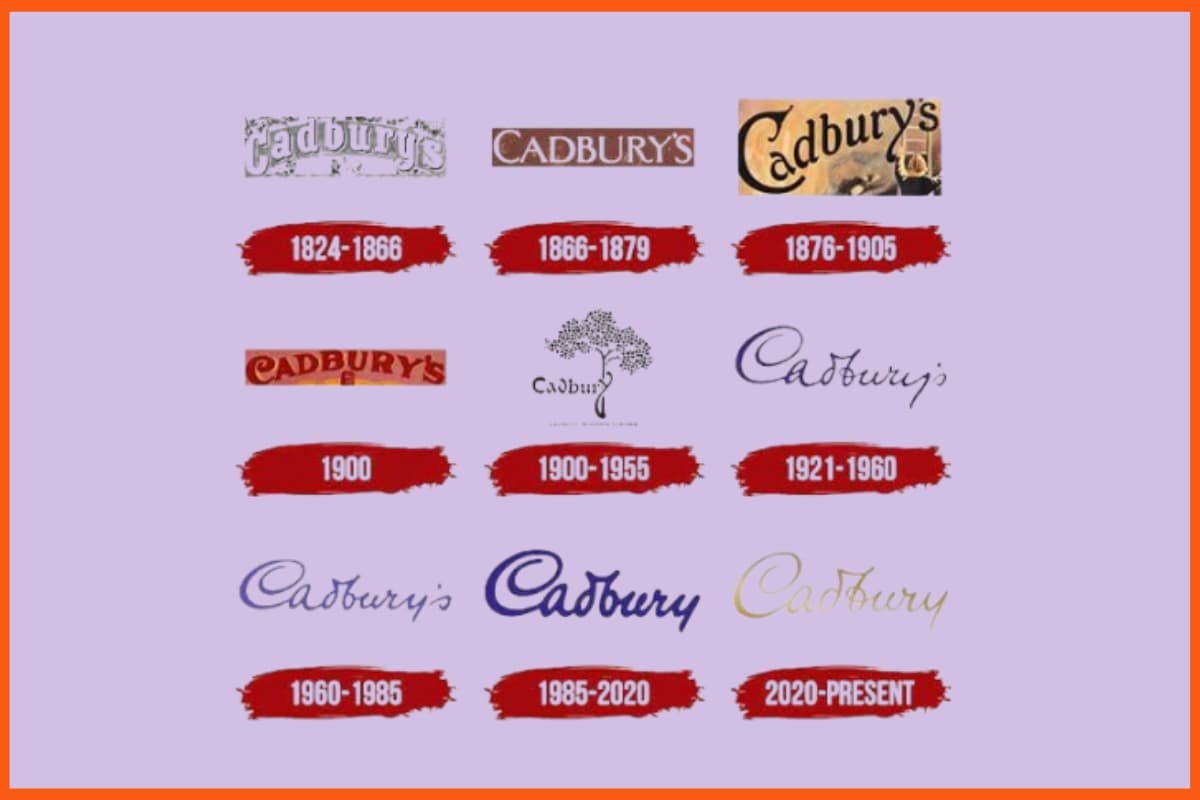
Cadbury’s logo shows its focus on quality and tradition. The first logo had a cocoa tree to reflect its chocolate history. Later, it changed to a modern design based on William Cadbury’s signature.
Today, the logo uses a bold font with a purple background, showing the brand is simple, friendly, and classic.
Cadbury also created a special gold logo for its most premium products. This golden version looks fancy and elegant, making the brand feel even more special and high-class.
 Nitin Konde
Cadbury Marketing Mix
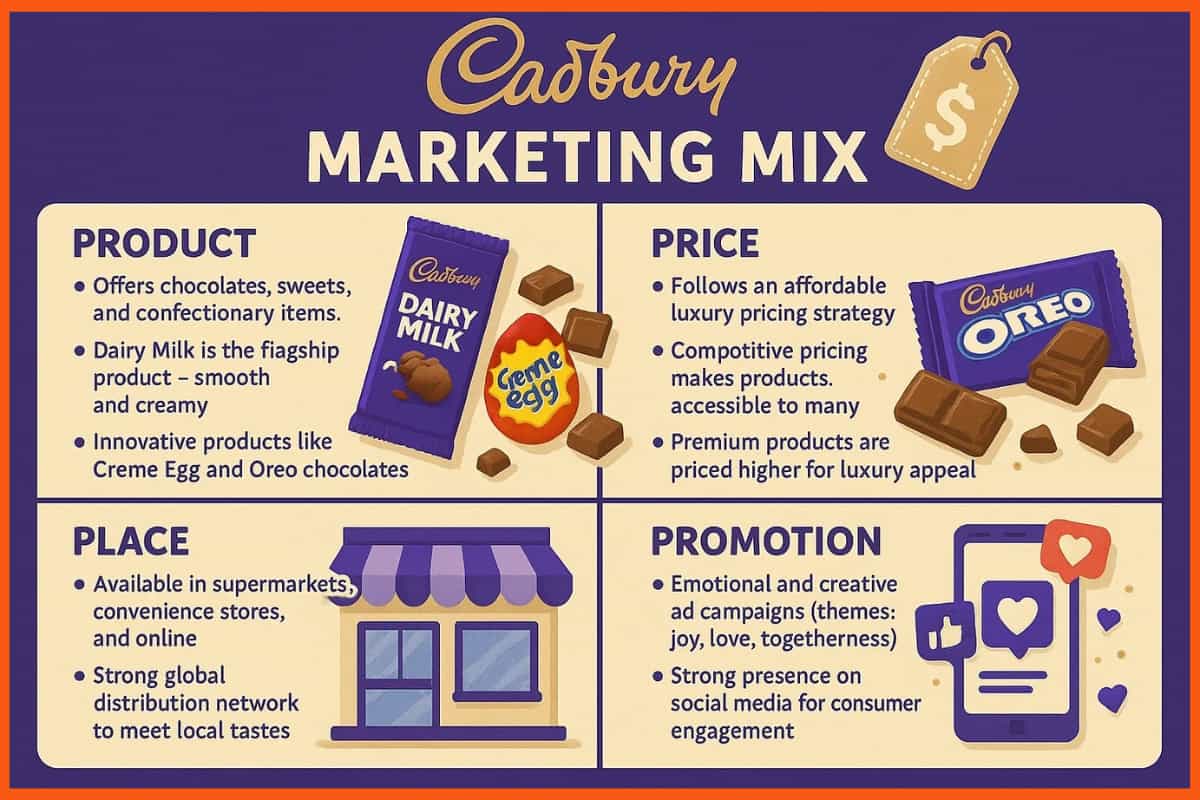
Cadbury, the iconic chocolate brand, has built its reputation on a powerful marketing mix that combines the four Ps: product, price, place, and promotion. This mix has helped the company to develop a strong brand identity, increase its market share, and maintain its position as a leader in the global chocolate industry.
Cadbury Product Strategy
Cadbury’s product mix includes a range of chocolates, sweets, and other confectionery products that cater to different tastes and preferences. The flagship product is its Dairy Milk chocolate, which is known for its smooth texture and rich, creamy taste. In addition to its classic offerings, Cadbury has also introduced several innovative products, such as its Creme Egg and Oreo chocolates, that have become fan favorites.
Product Strategy Examples
| Product Approach | Example |
|---|---|
| Core products | Cadbury Dairy Milk |
| Premium products | Dairy Milk Silk, Bournville |
| Gifting | Cadbury Celebrations |
| Youth-focused products | 5 Star, Perk, Gems |
| Seasonal products | Valentine's and festive editions |
| Limited editions | Dubai Chocolate Silk |
| New flavours | Orange Bournville variants |
Cadbury Price Strategy
Cadbury’s pricing strategy is focused on offering an affordable luxury to its consumers. The chocolates are priced competitively, making them accessible to a wide range of consumers. Cadbury also offers premium products, such as its luxury boxed chocolates, which are priced higher to cater to consumers who are willing to pay more for high-quality confectionery products.
Cadbury's Pricing Approach
Mass-market pricing:
Smaller packs and entry-level products make chocolate accessible to a large consumer base.
Premium pricing:
Products such as Silk and Bournville allow Cadbury to participate in the premium chocolate segment.
Occasion-based pricing:
Gifting packs and festive products can command higher prices because consumers are buying them for a specific occasion rather than everyday consumption.
This combination helps Cadbury maintain broad market reach while also creating opportunities for premiumisation.
Cadbury Place Strategy
Cadbury’s place strategy involves making its products available in a wide range of locations, from supermarkets and convenience stores to online retailers. The company has a strong distribution network that allows its products to reach consumers in all corners of the world. Cadbury has a significant presence in emerging markets, where it has invested in building local production facilities to cater to local tastes and preferences.
Cadbury Distribution Strategy
| Channel | Role |
|---|---|
| Kirana stores | Everyday availability |
| Supermarkets | Larger product selection |
| Modern trade | Premium and family shopping |
| E-commerce | Convenience and gifting |
| Quick commerce | Impulse and immediate purchases |
| Seasonal retail | Festivals and gifting |
| Visi-coolers | Product freshness in stores |
Cadbury Promotion Strategy
Cadbury’s promotional strategy is focused on creating a strong emotional connection with its consumers. The company’s advertising campaigns are known for their creativity and innovation, often featuring heartwarming stories that celebrate joy, love, and togetherness. Cadbury also engages with its consumers through social media, where it encourages them to share their own experiences and stories with the brand.
The company's India business itself describes its long-running communication around “meetha moments” and campaigns such as “Aaj Pehli Tareek Hai,” “Pappu Paas Ho Gaya” and “Kuch Accha Ho Jaaye, Kuch Meetha Ho Jaaye.”
Cadbury’s marketing mix is a powerful combination of product, price, place, and promotion that has helped the company to build a strong brand identity and maintain its position as a leader in the global chocolate industry. The company’s focus on innovation, quality, and emotional connection with its consumers has enabled it to remain relevant and successful in an increasingly competitive marketplace. With its iconic products, affordable pricing, wide distribution network, and engaging marketing campaigns, Cadbury is poised to continue delighting consumers for years to come.
Archana Karthikeyan
Cadbury Marketing Campaigns
Cadbury is renowned for its innovative and engaging marketing campaigns that have captured the hearts of consumers around the world. Here are some of the top marketing campaigns that have helped to establish Cadbury as a leading brand in the confectionery industry.
Cadbury Dairy Milk – “Kuch Meetha Ho Jaaye”
The idea of having something sweet during a happy or auspicious moment became strongly associated with Cadbury Dairy Milk in India.
The brand effectively moved chocolate from being just a snack to becoming part of Indian celebration culture.
“Gorilla” Campaign
In 2007, Cadbury launched its iconic “Gorilla” campaign, which featured a gorilla playing the drums along to the Phil Collins song “In the Air Tonight”. The campaign was a huge success, winning numerous awards and generating widespread media coverage. The campaign was praised for its creativity and emotional resonance, as the gorilla represented the joy and excitement that consumers experience when they eat Cadbury chocolate.
Cadbury's Gorilla Advert Aug 31st 2007
“Joyville” Campaign
The “Joyville” campaign, which launched in 2012, was designed to create a magical and fantastical world that was associated with Cadbury chocolate. The campaign featured a fictional town called Joyville, where Cadbury Chocolate was produced and distributed. The campaign was a huge success, with Cadbury sales increasing significantly in the months following its launch.
“Cadvent” Campaign
The “Cadvent” campaign is a holiday-themed campaign that Cadbury runs every year in the lead-up to Christmas. The campaign features a series of short videos that are released daily in the run-up to Christmas Day, each one showcasing a different Cadbury product. The videos are designed to create a sense of excitement and anticipation, with consumers eagerly anticipating each day’s release.
Cadbury Cadvent Calendar Campaign
“Egg ‘n’ Spoon” Campaign
The campaign was launched in 2014 to promote Cadbury’s new Egg ‘n’ Spoon chocolate product. The campaign featured a series of whimsical animated videos that showcased the unique features of the product, which included a chocolate egg that contained a creamy mousse filling. The campaign was a huge success, with the Egg ‘n’ Spoon product quickly becoming a fan favorite.
Egg 'n' Spoon is Back!
Cadbury has a long history of creating innovative and engaging marketing campaigns that have helped to establish the brand as a leader in the confectionery industry. These campaigns have captured the hearts of consumers around the world and helped to establish Cadbury as a beloved and trusted brand.
Cadbury 5 Star – “Do Nothing”
5 Star developed a distinctive communication territory around the idea of doing nothing.
The campaign stood apart from conventional chocolate advertising by using humour and an unusual brand personality.
The strategy demonstrates an important marketing principle: a sub-brand does not always have to communicate exactly like the parent brand.
Mahenoor Mansuri
Cadbury Marketing Strategies
Cadbury Marketing Strategy – Key Highlights
| Strategy | How Cadbury Uses It |
|---|---|
| Emotional storytelling | Connects chocolate with happiness, relationships and celebrations |
| Product innovation | Launches new flavours, formats and limited editions |
| Cultural marketing | Builds campaigns around Indian festivals and traditions |
| Seasonal marketing | Uses Valentine's Day, Raksha Bandhan, Diwali and cricket seasons |
| Digital marketing | Uses social media, digital films and interactive campaigns |
| Personalisation | Creates customised gifting and consumer experiences |
| Cricket marketing | Connects brands with IPL and cricket fandom |
| Premiumisation | Uses Silk, Bournville and special editions to target premium consumers |
| Distribution | Combines traditional retail, modern trade and e-commerce |
| Localisation | Adapts communication and products to Indian consumer preferences |
| Technology and AI | Uses data, AI and digital systems to improve consumer engagement |
Cadbury is a globally recognized chocolate brand that has been in the business for over a century. With an impressive lineup of products and a strong brand identity, Cadbury has remained a fan favorite across generations. However, the success of Cadbury isn’t just a result of its delicious chocolates. Over the years, the company has implemented several successful marketing strategies to engage with its audience and build its brand. Here are the top marketing strategies Cadbury has used to achieve its success.
Storytelling
Cadbury’s marketing campaigns are known for their ability to tell captivating stories that engage the audience emotionally. From the iconic “Gorilla” campaign to the “Joyville” campaign, the company’s ads have managed to create an emotional connection with its audience that goes beyond its products.
Product Innovation
Cadbury has always been at the forefront of product innovation. The company has managed to stay relevant by introducing new flavors, shapes, and packaging designs that cater to the changing tastes of its audience.
Limited Edition Products
Cadbury has a knack for creating a sense of urgency among its audience through the introduction of limited edition products. This approach drives sales and creates hype around its brand.
Advertising
Cadbury advertising strategy includes using a variety of techniques to promote its products and keep them in the public eye. By showcasing its popular Dairy Milk bars through eye-catching print ads and memorable TV commercials, Cadbury ensures its chocolates remain front and center for consumers.
Cadbury Digital Marketing Strategy
Cadbury has a strong presence on digital platforms, which it uses to engage with its audience effectively. From social media campaigns to viral videos, Cadbury has created a significant online presence for its brand.
Brand Partnerships
Cadbury has managed to create successful partnerships with other brands and events. For instance, the company partnered with the 2012 London Olympics and the Premier League to promote its brand and products.
Charitable Activities
Cadbury has engaged in several charitable activities, which have helped to build a positive reputation for the brand. For instance, the company partnered with Age UK to help tackle loneliness among the elderly.
Local Marketing
Cadbury has also used local marketing strategies to target specific regions and audiences. The company has developed products that cater to the taste of people in specific regions, and its marketing campaigns have incorporated local culture and themes to create a more targeted approach.
Emotionally Resonant Advertising
Cadbury’s advertising campaigns are known for their emotional resonance, using heartwarming stories and relatable scenarios to connect with consumers on a deeper level.
Marketing Strategy of Cadbury
Creative Packaging
Cadbury’s packaging is instantly recognizable, featuring its signature purple color and iconic logo. The company has also introduced creative packaging designs, such as its Easter egg packaging that transforms into a treasure chest.
Seasonal Campaigns
Cadbury’s seasonal campaigns, such as its Christmas “Cadvent” campaign, create a sense of anticipation and excitement among consumers, driving sales during key periods.
CSR (Corporate Social Responsibility)
Cadbury understands that running a big business also means having big responsibilities. The company works hard to be fair and kind to people and the planet. By focusing on things like fair trade and sustainability, Cadbury has built a good name for itself and earned the trust and support of its customers.
Social Media Engagement
Cadbury actively engages with its consumers on social media, encouraging them to share their experiences and stories with the brand and building a sense of community around the Cadbury brand.
AI and Data-Driven Marketing
One of the newer elements in Cadbury's marketing ecosystem is the use of technology.
Mondelēz India says its digital capabilities include AI, machine learning, geospatial analytics and data systems to improve decision-making, personalisation and consumer interaction.
For marketers, this represents an important evolution.
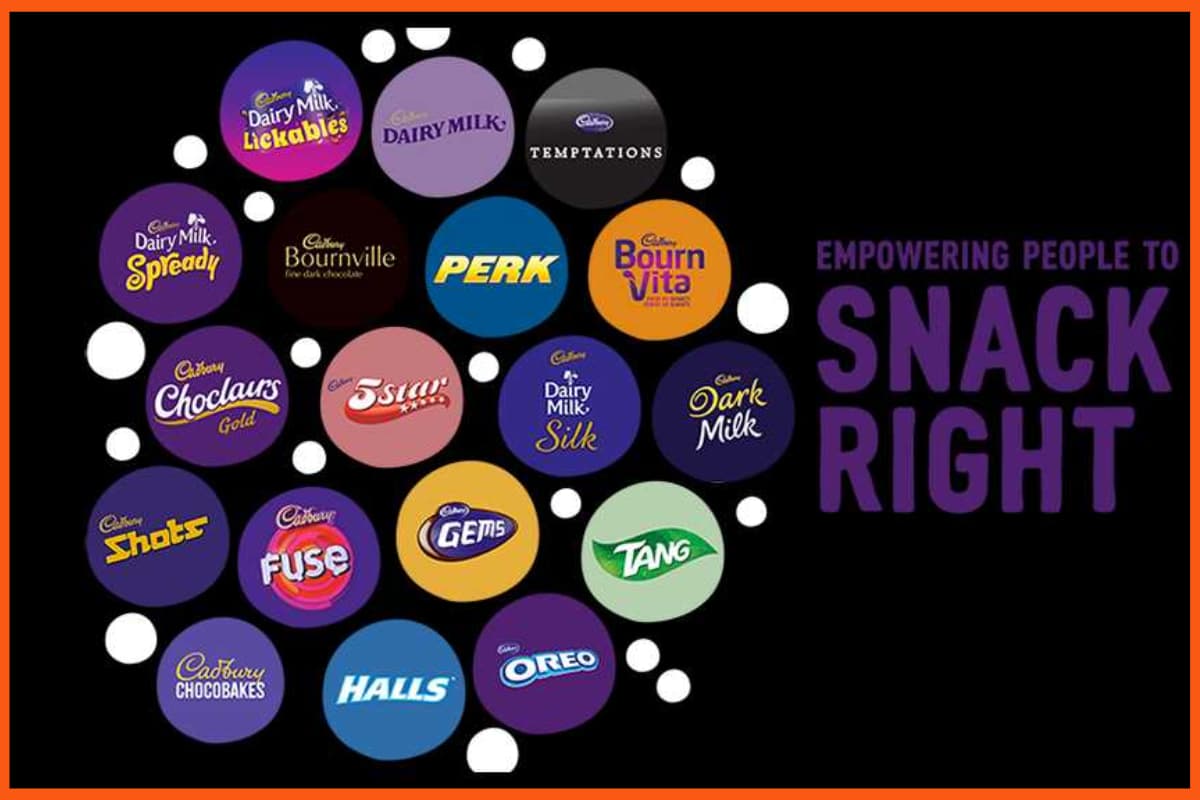
Brand Portfolio Strategy
Another important Cadbury strategy is allowing individual products to develop their own personalities.
| Brand | Broad Communication Territory |
|---|---|
| Dairy Milk | Joy, generosity and togetherness |
| Dairy Milk Silk | Love and premium indulgence |
| 5 Star | Humour and “Do Nothing” |
| Celebrations | Gifting and relationships |
| Bournville | Premium dark chocolate |
| Perk | Youthful, playful communication |
| Gems | Fun and children |
| Fuse | Hunger and indulgence |
This portfolio approach prevents every product from sounding identical.
New-Age Cadbury Marketing Strategies to Watch
The next phase of Cadbury's marketing is likely to be shaped by the combination of emotion + technology + commerce.
Social Commerce
The distance between seeing an advertisement and buying a product is getting shorter.
A consumer may discover a limited-edition chocolate on Instagram or YouTube and immediately search for it on an e-commerce or quick-commerce platform.
Creator-Led Storytelling
Creators can make large brands feel more personal by adapting campaign ideas into native social content.
Hyper-Personalised Gifting
Chocolate gifting can increasingly become personalised around:
- Names
- Messages
- Relationships
- Occasions
- Locations
Trend-Led Product Development
Limited editions allow brands to respond quickly to emerging dessert and flavour trends without permanently changing their core products.
Data-Led Media Buying
Consumer data can help brands understand which audience, message and channel combination generates better engagement and conversion.
Cadbury Swot Analysis
| Strengths | Weaknesses |
|---|---|
| Strong global brand recognition | Dependence on chocolate category |
| Powerful emotional positioning | Premium products can have higher price points |
| Large distribution network | Mature brand needs continuous innovation |
| Wide product portfolio | Marketing consistency across markets can be challenging |
| Strong consumer recall | Exposure to commodity cost pressures |
| Opportunities | Threats |
|---|---|
| Premium chocolate | Intense competition |
| E-commerce and quick commerce | Changing consumer preferences |
| Personalised gifting | Rising input costs |
| New flavours and formats | Health-conscious consumption trends |
| Digital and creator marketing | Private-label and local competition |
Conclusion
The marketing strategies of Cadbury have been nothing short of exemplary. From their innovative product designs to their engaging storytelling campaigns, Cadbury has successfully built a strong brand identity that resonates with its audience. By leveraging digital marketing, local marketing, and brand partnerships, the company has managed to stay relevant and adapt to changing trends in the industry.
Furthermore, by taking a holistic marketing approach, businesses can create a consistent and unified brand image that extends beyond their products. Cadbury’s success serves as a testament to the power of effective marketing strategies, and there is much to be gained by studying their approach and incorporating it into your own marketing efforts.
Cadbury’s marketing strategies offer valuable insights and inspiration for businesses looking to build a strong brand and engage with their audience effectively. By taking cues from their success, companies can develop marketing strategies that resonate with their audience and stand the test of time.
FAQs
What is the Cadbury target market?
The target audience of Cadbury spans all ages and demographics. The brand has a broad appeal and is loved by people from all walks of life. Cadbury’s target audience includes children, teenagers, adults, and seniors.
What are the main marketing strategies that Cadbury has used to achieve its success?
Here are the main marketing strategies used by Cadbury -
- Storytelling
- Product Innovation
- Limited Edition Products
- Digital Marketing
- Brand Partnerships
- Charitable Activities
- Local Marketing
- Emotionally Resonant Advertising
- Creative Packaging
- Seasonal Campaigns
- Social Media Engagement
What is the target market of Cadbury Dairy Milk?
The target market of Cadbury Dairy Milk includes children, teenagers, and adults who enjoy sweet treats and emotional, joyful moments.
What is the market share of Cadbury in India?
Cadbury India leads the Indian chocolate confectionery market with a dominant market share of more than 70%.
What is Cadbury's marketing mix?
Cadbury's marketing mix consists of Product, Price, Place and Promotion. Its portfolio covers mass-market and premium products, while its distribution spans traditional retail, modern trade and e-commerce.
What is Cadbury's most famous marketing strategy?
Cadbury is particularly known for its emotional storytelling strategy, where chocolate is associated with happiness, generosity, relationships and celebration.
How does Cadbury use digital marketing?
Cadbury uses digital campaigns, social media, consumer participation, personalisation and data-led marketing. Mondelēz India also says it uses AI, machine learning and geospatial analytics as part of its digital capabilities.
What is Cadbury's strategy in India?
In India, Cadbury combines its global brand identity with local cultural insights. Its marketing frequently focuses on festivals, relationships, cricket, gifting and everyday celebrations.
How do Cadbury promote their products?
Cadbury promotes its products through emotional storytelling, TV and digital advertising, social media, festivals, cricket campaigns, product launches, and seasonal promotions.
What is USP of Cadbury?
Cadbury USP is its strong emotional branding that connects chocolate with joy, love, sharing, and celebration.