

Diwali Gifts to Employees: The New ₹15,000 Tax-Free Limit
From tax year 2026-27, gifts and vouchers from your employer are tax-free up to ₹15,000, three times the old limit, but cash still isn't. At the 30% slab, a ₹15,000 voucher leaves you ₹4,680 better off than the same cash bonus.
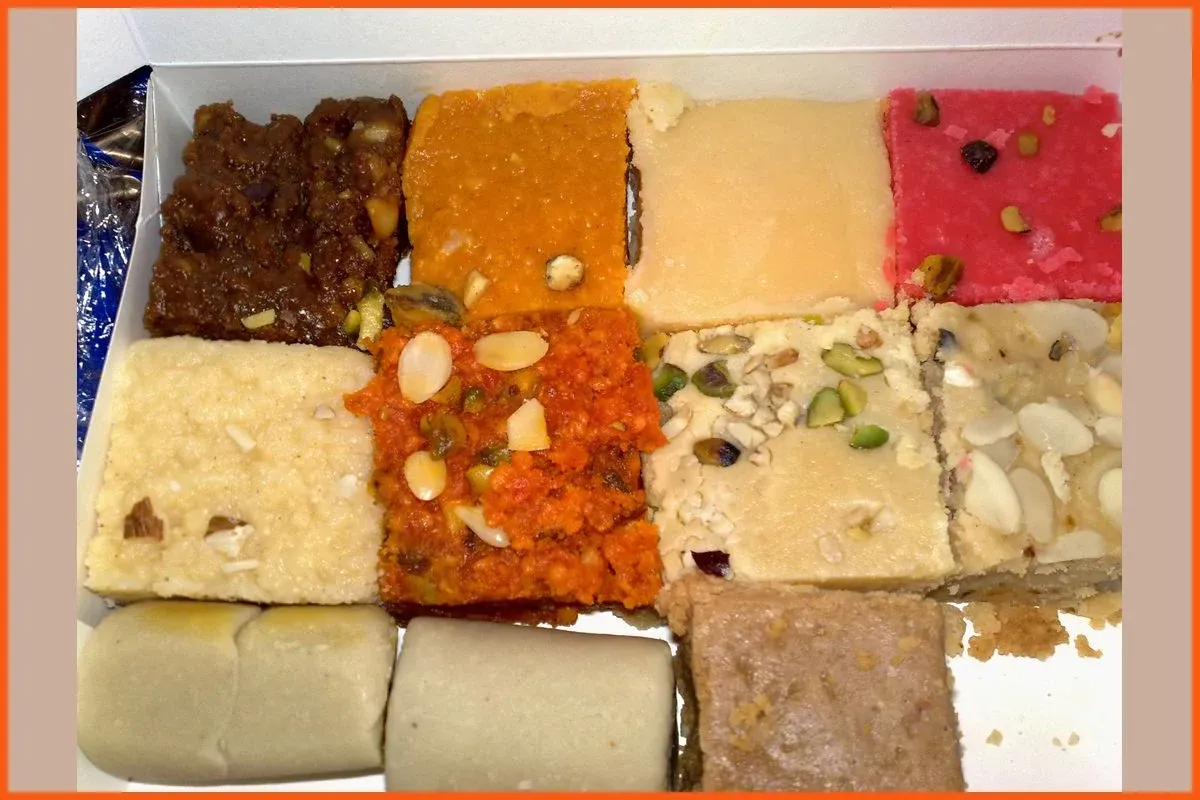
Two employees in the 30% tax slab each get ₹15,000 from their company this Diwali. One gets it as an e-gift voucher and keeps all of it. The other gets a cash bonus and keeps ₹10,320.
That ₹4,680 gap comes from the Income-tax Rules, 2026, which the Central Board of Direct Taxes (CBDT) notified on 20 March 2026 and which apply from 1 April. Under them, gifts, vouchers and tokens from an employer are valued at nil for the employee as long as their total for the tax year does not exceed ₹15,000, up from ₹5,000. Cash gets no such treatment. So in the first Diwali under the new rules, the form a gift takes decides how much of it the employee keeps, and the answer is very different for someone earning ₹10 lakh and someone earning ₹30 lakh.
Under the Income-tax Rules, 2026, a ₹15,000 Diwali gift voucher is tax-free for the employee, while the same ₹15,000 paid in cash costs someone in the 30% slab ₹4,680 in tax.
What counts as a tax-free gift under the ₹15,000 rule
The rule covers any gift, voucher or token an employer gives an employee. In practice:
- Counts: a Diwali hamper, a mithai box, a gadget, a gift card or an e-voucher.
- Does not count: cash, a bank transfer, or a "gift allowance" paid through salary. These are taxed like salary.
- Per year, not per gift: Diwali, New Year, birthday and work-anniversary gifts all add up within the same tax year, April to March.
- Either regime: it is a rule on how a perk is valued, so it applies whether an employee has picked the old regime or the new tax regime.
₹15,000 in cash or a voucher: what employees keep at each tax slab
The gap is the tax on ₹15,000 at the employee's slab rate, plus 4% cess. For tax year 2026-27 under the new regime, it works out like this:
| Taxable income (new regime) | Tax on ₹15,000 cash | Kept from cash | Kept from a voucher |
|---|---|---|---|
| Up to ₹12 lakh | ₹0 | ₹15,000 | ₹15,000 |
| ₹12 lakh to ₹16 lakh (15%) | ₹2,340 | ₹12,660 | ₹15,000 |
| ₹16 lakh to ₹20 lakh (20%) | ₹3,120 | ₹11,880 | ₹15,000 |
| ₹20 lakh to ₹24 lakh (25%) | ₹3,900 | ₹11,100 | ₹15,000 |
| Above ₹24 lakh (30%) | ₹4,680 | ₹10,320 | ₹15,000 |
Below ₹12 lakh of taxable income (₹12.75 lakh of salary, after the ₹75,000 standard deduction), the rebate wipes out the tax either way, unless the bonus itself pushes income over that line. Above it, the voucher wins at every slab.
The higher limit also raised the ceiling on what a gift can save a top-slab employee in a year, from ₹1,560 on ₹5,000 to ₹4,680 on ₹15,000.
The ₹15,001 problem: why the gift limit works like a cliff
As written, the rule values the gifts at nil only while the year's total stays at or under ₹15,000. It is a threshold, not a deduction. Go past it and the gifts are valued at their full amount, so ₹15,001 of Diwali and New Year gifts counts as ₹15,001 of salary. For someone in the 30% slab, that one extra rupee costs about ₹4,680 in tax.
This is where tracking matters.
A company that sends a ₹12,000 Diwali hamper and then a ₹4,000 New Year voucher has crossed the line, even though neither gift looks large on its own.
What employees want for Diwali: cash first, then a voucher
GiftScene, a gifting guide run by StartupTalky's founder, read 4,125 Reddit posts and 17,905 comments on corporate gifting earlier this year. In Diwali threads from Indian workplaces, a cash bonus was the gift employees wanted most, ahead of vouchers and anything physical. The new rule leaves that first choice out, which sounds like bad news until you look at who it actually affects. For an employee whose salary stays within ₹12.75 lakh, cash is effectively tax-free anyway, because the rebate cancels the tax on it. For everyone above that line, a voucher that works across many brands is now the closest thing to cash that the rule lets through untaxed, and at the top slab it keeps the 31.2% that tax would otherwise take out of a cash bonus.
If I were running payroll this Diwali, I would pay the cash bonus people asked for to everyone under the ₹12.75 lakh line, and give everyone above it a multi-brand voucher, capped so the year's gifts stay within ₹15,000.
How to plan Diwali 2026 gifts for employees under the new limit
- Budget per person per year, not per festival. Add up Diwali, New Year and any milestone gifts before you fix the Diwali amount.
- Keep it non-cash for higher earners. A voucher, hamper or product qualifies; a "gift allowance" line in payroll does not.
- Keep a record for each employee. Payroll needs to see who is getting close to ₹15,000 before the next festival, not after.
- Order early. GiftScene's corporate Diwali gifting page lists the dates to order by and the vendors that take bulk Diwali orders.
For what to actually give, and how much to spend on clients as well as staff, see our guide to Diwali gifts for employees and clients and our list of corporate gifting companies that take bulk orders.
Most companies set their gift budgets when the limit was ₹5,000, and the ones that notice the new line this Diwali will get more of every rupee through to their people.
Diwali gift tax: common questions
Is a Diwali gift from my employer taxable in 2026-27?
Not if the total value of gifts, vouchers and tokens from your employer in the tax year stays within ₹15,000. Above that, the gifts are valued in full and taxed as part of your salary.
Is a cash Diwali bonus tax-free up to ₹15,000?
No. The ₹15,000 limit covers gifts, vouchers and tokens only. Cash, or a gift allowance paid through salary, is taxed like the rest of your salary.
Is the ₹15,000 limit per gift or per year?
Per year. Every gift from your employer between April and March counts towards the same ₹15,000.
Method: the gift rule is from the CBDT's Income-tax Rules, 2026 (G.S.R. 198(E), 20 March 2026). The tax figures are our own arithmetic, using the new-regime slab rates for tax year 2026-27 with 4% cess and no surcharge.
Photo: secretlondon123, CC BY-SA 2.0, via Wikimedia Commons.