VidsSave: From a Simple Browser Tool to a Broader Media Utility
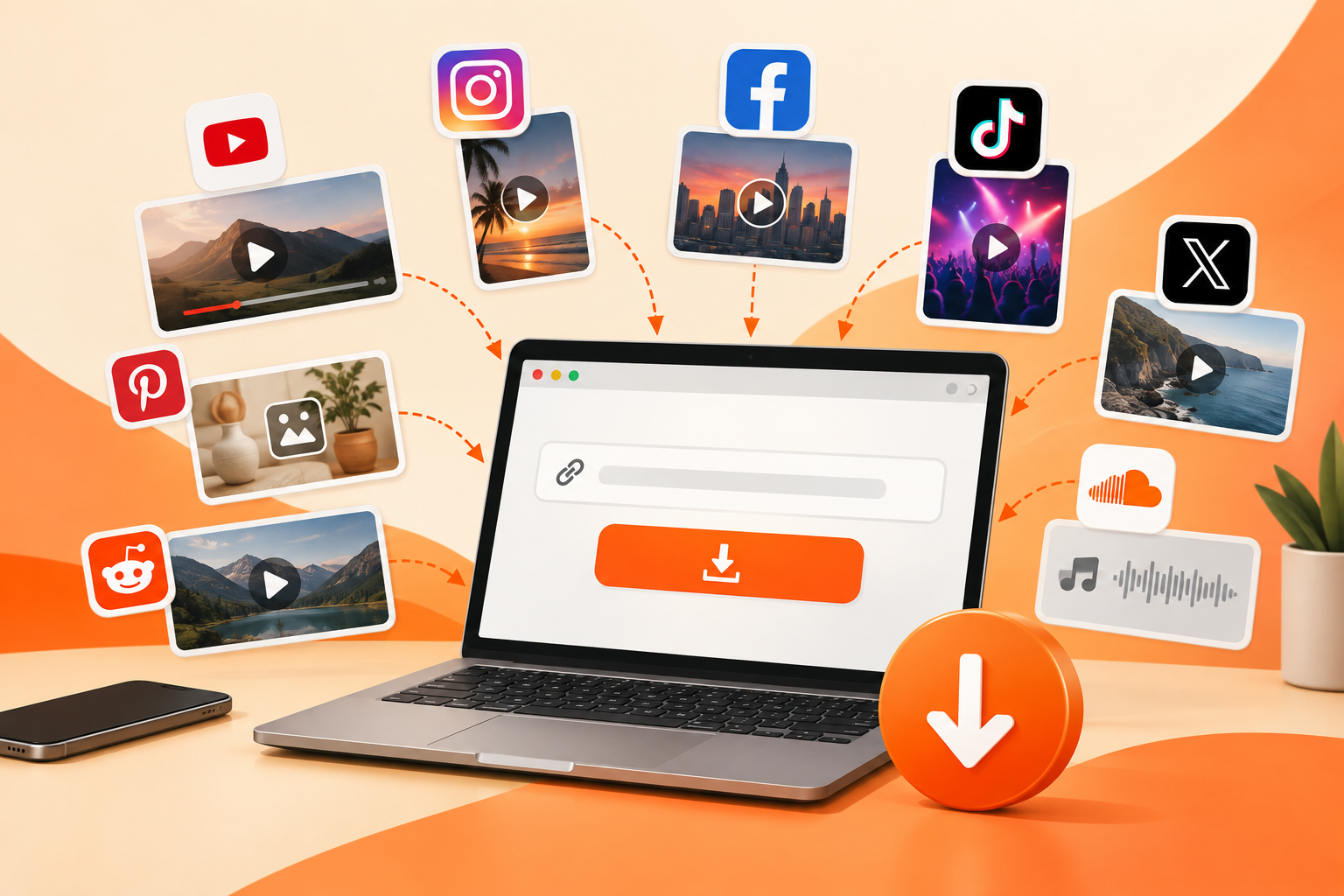
Online video has become central to how people learn, create, communicate, and consume information. As audiences increasingly move between platforms and devices, the demand for simpler ways to access publicly available media has created opportunities for lightweight, browser-based tools.
The Problem Behind Modern Online Video Access
- The internet has made video easier to discover than ever before, but accessing content conveniently across different platforms remains fragmented. A tutorial might be found on YouTube, a short clip on Instagram, and another useful piece of content on Facebook or TikTok.
- For mobile-first users, switching between platforms and installing separate applications for different tasks can add unnecessary friction. Creators and researchers face a similar challenge when they need to revisit publicly available content for reference, organization, or offline access.
- This is the gap that a video downloader such as VidsSave aims to address: providing a browser-based way to process publicly accessible media links without requiring users to install dedicated software. The broader idea reflects a shift toward web tools that prioritize convenience and cross-platform accessibility.
How VidsSave Began With a Simple User Need
Reducing Friction in Video Access
- Many successful internet products begin by addressing a relatively straightforward problem. In this case, the problem was the inconvenience of dealing with online media spread across multiple platforms.
- Users increasingly expect digital tools to work immediately. They do not always want to create another account, install another application, or learn a complicated interface for a task they may only perform occasionally.
- VidsSave developed around this browser-first approach. Users can work with publicly available links through a web interface rather than relying entirely on device-specific software. That approach reflects a wider change in consumer technology, where browsers increasingly function as platforms for productivity, creativity, and media tools.
 Apoorva Bajj
Why the Browser Became the Starting Point
Browser-based services have a practical advantage: they can potentially work across desktop and mobile environments without requiring separate versions for every operating system.
This matters particularly for users who move between devices during the day. Someone may discover content on a smartphone, continue researching on a laptop, and later access related material from another device.
VidsSave's browser-based model is designed around that flexibility. Its publicly described platform coverage includes services such as YouTube, Instagram, Facebook, TikTok, X, Pinterest, Reddit, and SoundCloud, depending on the type of publicly available media involved.
From a Video-Saving Tool to a Broader Media Utility
Expanding Beyond a Single Platform
A tool built around only one website can become limited as user behavior changes. Modern audiences rarely consume content on a single platform.
The evolution of VidsSave therefore reflects a broader trend in online utilities: moving from a narrowly defined task toward a more flexible, multi-platform workflow. Instead of treating YouTube, Instagram, Facebook, and other social platforms as completely separate environments, users increasingly look for tools that can reduce the need to switch between multiple services.
This expansion is particularly relevant for creators and digital professionals who regularly encounter different forms of media, including long-form videos, short clips, social posts, images, and audio.
Supporting Different Types of Media
The definition of online content has also expanded. Social platforms no longer revolve around a single format. Short-form video, Stories, Reels, livestream recordings, images, and audio all form part of today's media ecosystem.
A broader utility therefore needs to respond to different user needs rather than treating every piece of content as the same type of file. VidsSave's publicly available product information describes support for multiple media categories and platform-specific formats, reflecting this wider approach to online content access.
Why Browser-Based Media Tools Are Finding an Audience
The Rise of Mobile-First Internet Use
For many people, the smartphone is now the primary gateway to online content. Mobile users generally expect services to work quickly without demanding extensive setup.
Installing a dedicated application for every occasional task can feel inefficient, particularly when storage space, permissions, and account requirements are involved.
Browser-based tools offer an alternative model. The user opens a website, completes a specific task, and continues with their normal workflow. This type of convenience is one reason web-based utilities have become increasingly relevant for media-related tasks.
A Changing Workflow for Digital Creators
- Creators also have different needs from casual viewers. They may need to collect references, study publicly available examples, organize material, or revisit content while developing ideas.
- A cross-platform browser utility can reduce some of the friction involved in these workflows. Instead of navigating several separate tools for different platforms, users can work from a more centralized starting point.
- That does not eliminate the importance of platform rules or copyright responsibilities. Accessing publicly available media and having the right to reuse it are not necessarily the same thing. Responsible users still need to consider ownership, permissions, platform policies, and applicable laws.
Where VidsSave Stands Today
Building a Broader Product Footprint
- Today, VidsSave appears positioned as more than a narrowly focused single-platform utility. Its publicly available information describes support for a range of major social and video platforms, along with compatibility across modern browsers and devices.
- The product ecosystem has also extended beyond a standard web interface. A VidsSave extension is listed on the Chrome Web Store, where it is described as a browser-based video-saving tool, indicating an effort to make the service accessible through different user workflows.
- This kind of expansion is significant from a startup perspective. Product growth is not always about adding features simply for the sake of having more features. It is often about identifying where users experience friction and creating additional ways to solve the same underlying problem.
The Needs It Aims to Address
The central need remains convenience. Users want fewer steps between discovering useful content and organizing or accessing it through their preferred workflow.
For mobile users, that may mean avoiding unnecessary installations. For creators, it may mean working across several content platforms without constantly changing tools. For everyday users, it may simply mean having a browser-based option available when they need it.
The appeal of this model lies in simplicity rather than complexity.
What the Future Could Look Like for VidsSave
Moving Toward More Integrated Media Workflows
The future of online media tools is likely to involve greater integration. Users increasingly expect technology to handle multiple formats, devices, and platforms without requiring separate workflows for every task.
For VidsSave, future development could continue in the direction of broader media utility, with improvements focused on usability, platform coverage, and the changing ways people interact with online content.
Convenience Will Remain the Core Challenge
Technology changes quickly, but the underlying user preference is relatively stable: people generally prefer fewer steps and less friction.
The companies and tools that succeed in this environment will need to balance convenience with responsible use, privacy considerations, platform compatibility, and changing technical standards.
For a browser-first product such as VidsSave, that balance may define its next stage of development.
FAQs
What Is VidsSave?
VidsSave is a browser-based online media utility designed to work with publicly accessible links from supported social and video platforms. Its available features and supported formats can vary depending on the source platform and the type of media being accessed.
Does VidsSave Work on Mobile Devices?
VidsSave is designed to work through modern web browsers, allowing users to access the service from both mobile and desktop devices. Browser compatibility can make this approach useful for people who prefer not to install separate applications for occasional media-related tasks.
Can Online Video Tools Be Used With Any Content?
No. Tool availability does not automatically provide permission to copy, redistribute, or reuse content. Users should respect copyright, creator rights, platform rules, and applicable laws, particularly when content is intended for commercial or public reuse.
Conclusion
VidsSave reflects a broader shift toward lightweight, browser-based media tools built around convenience and cross-platform access. From a simple video-saving concept to a wider online media utility, its future direction will depend on how effectively it continues responding to changing user needs.