
Home Ministry Raises WhatsApp Web Security Concerns, Issues Advisory to Users
I4C under the Ministry of Home Affairs has advised users not to share official, financial or sensitive information using WhatsApp Web, due to the risk of active browser sessions. Cybercriminals may use unattended sessions to access messages, impersonate users, and execute phishing or fraud.
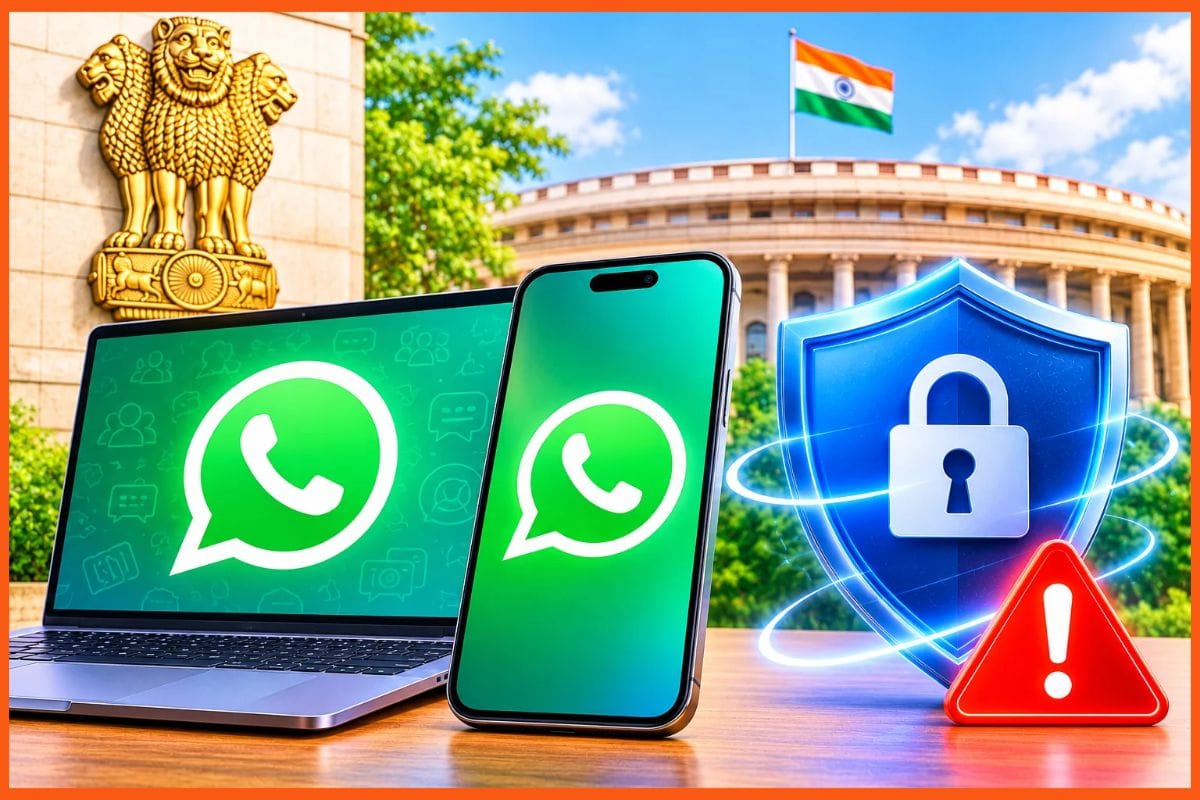
Because active browser sessions could be exploited to access user accounts, the Indian Cyber Crime Coordination Center (I4C), which is part of the Ministry of Home Affairs, has cautioned users against transmitting official, financial, confidential, or other sensitive information using WhatsApp Web. Advice from the National Cybercrime Threat Analytics Unit (NCTAU) of the Information Security Agency of Canada (ISC) warned that such access might provide criminals the ability to read messages, pose as account users, and gain access to contacts and group chats.
They might commit fraud, phishing, or social engineering using the account holder's trusted identity. Office computers, shared systems, public computers, and other devices that other people can access should be used with extra caution, according to the agency. Additionally, it emphasised that just because users close a window or tab in your browser doesn't mean they're logged out of WhatsApp Web.
Measures Recommended by IC4
According to IC4, it is recommended that users refrain from exchanging sensitive information that involves the government, organisations, finances, or any other type of sensitive data using WhatsApp Web on PCs. In addition, users are kindly requested to log out of WhatsApp Web when not in use, especially on shared or office computers. Do not just close the browser tab or window once you finish working; instead, log out. Furthermore, it has been suggested that, if temporary access is absolutely necessary, utilise private browsing or incognito mode on a trusted computer and remember to log out before shutting the browser.
Never use WhatsApp Web from an untrusted system, including public computers, hotel business centres, kiosks, or internet cafes. The letter went on to say that you should take carefully any unexplained behaviour, strange responses from contacts, or unexpected messages sent from your account. Finally, it has requested that all users keep their OS, browser, and security software up-to-date and to stay away from unidentified files, pirated software, and suspicious downloads.
I4C Keeping Close Eyes on Hackers and their Patterns
This warning comes after an earlier caution from I4C regarding a scam campaign that used WhatsApp account takeovers to target company leaders, finance professionals, and entrepreneurs. According to the agency's August report, cybercriminals sent out ZIP files containing malicious code while pretending to be RBI or Ministry of Corporate Affairs correspondence or account statements. Malware that might hijack an ongoing WhatsApp Web session was installed on a Windows computer when the files were opened. I4C recommended that businesses use direct voice calls or in-person confirmations to double-check urgent requests to modify bank account details or financial transfers.
At the same time, I4C has brought attention to the fact that financial institutions have been the target of attacks involving AI agents. Threat actors are taking advantage of vulnerabilities in software and poorly set up servers that are accessible via the internet to get unauthorised access to financial systems, and the government has issued a warning to banks, NBFCs, and fintech firms. Efforts are underway to enhance messaging platform security, which is why these cautions are timely. Last month, news broke that Telegram and WhatsApp were getting ready to comply with the SIM-binding requirement set down by the Department of Telecommunications.