No AI, No Promotion: Accenture CEO Julie Sweet Makes AI Skills Mandatory for Career Growth
Accenture CEO Julie Sweet has told employees that learning and using AI tools is now essential for promotions. The consulting giant has already trained hundreds of thousands of workers in generative AI as it pushes towards an AI-first workforce strategy.
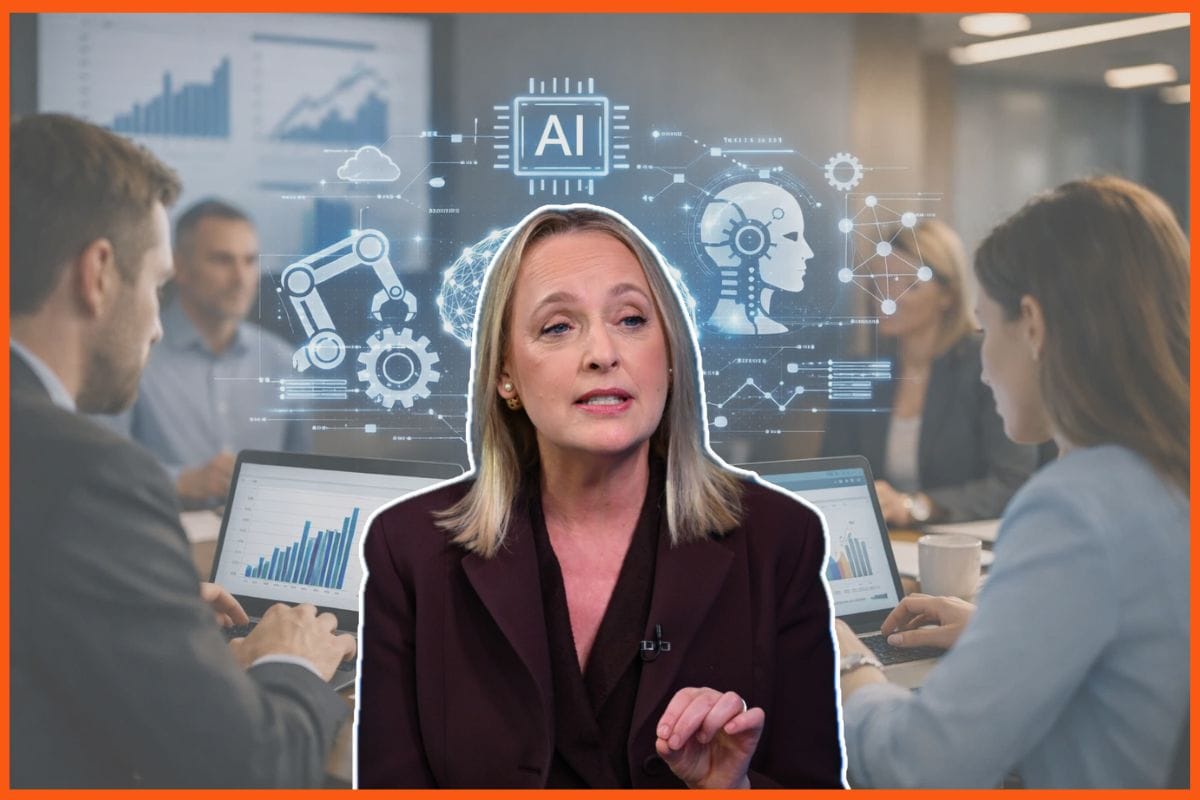
Global consulting giant Accenture has made a clear statement about the future of work: employees who want a promotion must learn and actively use artificial intelligence tools.
CEO Julie Sweet recently told staff that AI is now central to how the company operates. Her message was straightforward, if employees want to move up in their careers at Accenture, they must integrate AI into their daily work.
The announcement reflects a wider shift across the technology and consulting sectors, where companies are rapidly adopting AI to improve productivity and reshape their workforce.
Accenture Makes AI Usage a Requirement for Promotions
Speaking on the “Rapid Response” podcast, Julie Sweet said that artificial intelligence has become part of Accenture’s everyday operations. Because of this, employees who aim for promotions must show that they are using AI tools effectively in their work.
According to Sweet, the rule is not sudden. She explained that the company has spent several years introducing AI technologies and training employees to become comfortable using them. Now, AI adoption is being formally linked to career progression.
In simple terms, workers who do not adopt these tools may find it harder to move into leadership or senior roles within the company. The policy mainly affects associate directors and senior managers aiming for higher positions.
The decision highlights how rapidly AI skills are becoming essential in modern workplaces, especially in technology consulting.
Massive AI Upskilling Drive Across the Company
Accenture has been investing heavily in artificial intelligence over the past few years. As part of its transformation strategy, the company has trained about 550,000 employees in generative AI skills from its global workforce of roughly 780,000 people.
The company is also building internal AI platforms and tools that employees are expected to use regularly in their projects. In some cases, managers may track usage through log-ins or activity on these systems to understand how teams are adopting the technology.
Upskilling workers has become a top priority for the company. Leadership believes that employees who understand AI can work faster, deliver better insights to clients, and help businesses redesign their operations using modern technology.
However, Accenture has also made it clear that roles unable to adapt to the new AI-driven model may gradually disappear.
Who Is Julie Sweet?
Julie Sweet is the Chair and Chief Executive Officer of Accenture, a global consulting and technology services firm. She became CEO in 2019 and later took on the role of board chair in 2021, becoming the first woman to lead the company.
Before joining Accenture in 2010 as general counsel, Sweet spent nearly two decades as a corporate lawyer at Cravath, Swaine & Moore. She later led Accenture’s North America business before being appointed global CEO. Under her leadership, the company has focused heavily on digital transformation, cloud services and artificial intelligence.
Layoffs, Reskilling and the Shift to an AI-First Strategy
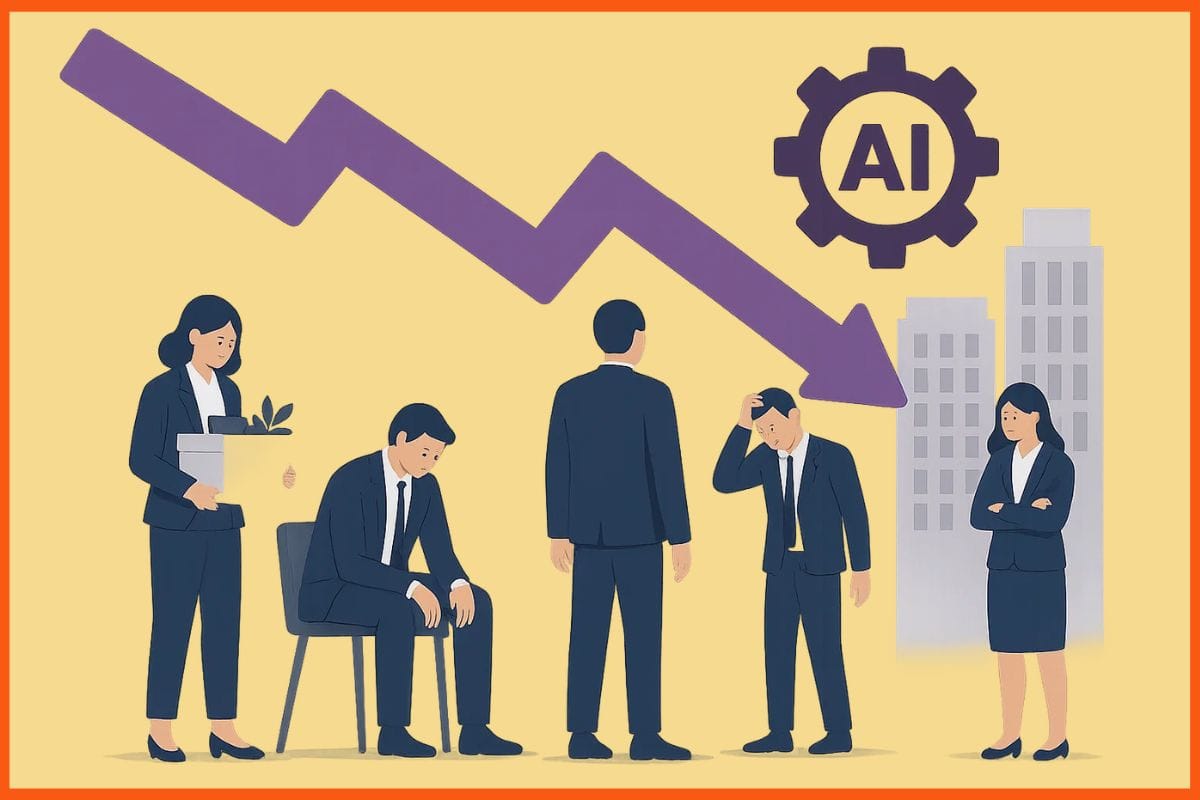
The company’s push towards artificial intelligence is not new. In 2025, Accenture announced plans to cut around 11,000 jobs as part of a restructuring aimed at building an AI-focused workforce.
The layoffs mainly affected roles that the company believed could not be easily retrained for AI-related work. At the same time, Accenture said it would continue hiring new talent with skills in data, artificial intelligence and advanced technologies.
This restructuring shows how seriously the company views AI as a core business capability rather than just a support tool.
Part of a Wider Tech Industry Trend
Accenture’s move reflects a broader shift happening across the global technology industry. Many major companies are encouraging or requiring employees to learn AI as automation becomes more common.
Businesses increasingly believe that workers who understand AI tools can improve productivity, generate insights faster, and deliver better outcomes for customers.
For employees, the message from Accenture is clear: AI skills are no longer optional. Instead, they are becoming a key requirement for career growth in the digital economy.
 Nitin Konde