

Amazon Cracks Down on Fake Goods, Seizes 15 Million Counterfeits with AI in 2025
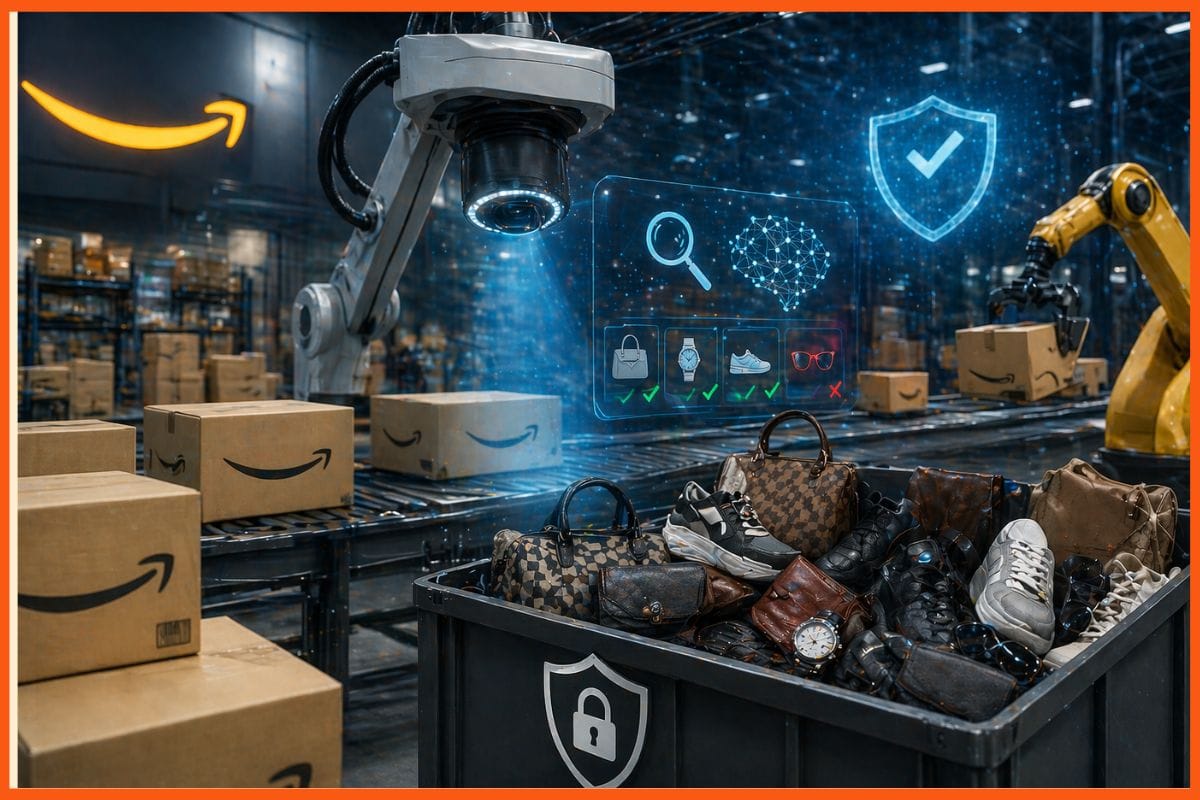
According to Amazon's inaugural Trustworthy Shopping Experience Report, the e-commerce powerhouse is utilising AI to detect and eliminate fraudulent listings. In 2025, the e-commerce giant successfully removed more than 15 million counterfeit products, as said in a study that was released on 22 April.
The report details the measures taken by the company to safeguard its customers, sellers, and brands in its worldwide marketplace. The study details the e-commerce platform's initiatives to eradicate organised retail crime, scams, anti-counterfeiting, and unsafe products.
Amazon’s AI System Bursting Counterfeits Nexus
The report states that since 2020, over 32,000 individuals have been prosecuted by Amazon's Counterfeit Crimes Unit in 14 countries through legal action and criminal referrals. Over 15 million counterfeit products were found, seized, and disposed of by the online retailer in 2025. Collaborating with other organisations, it has also succeeded in seizing millions of items associated with organised retail crime. Amazon has also highlighted its use of AI to combat fraud.
In one instance, eight days prior to the brand owner reporting the issue, its early warning system discovered and blocked counterfeit listings targeting a viral product. A new verification process is now in place before any new sellers can be approved to sell on the site, according to the business. Combating fraudulent reviews and other forms of online fraud is another priority for the e-commerce platform. Amazon removed over a hundred websites associated with fraudulent reviews and scams in 2025.
According to the report, Amazon's legal steps have caused more than 40 bogus review brokers to shut down their business. Preventative actions helped stop millions of fraud calls worldwide that impersonated Amazon and raised phishing URL takedowns by over 10%.
How Amazon’s AI System Works?
According to the report, Amazon examines about 90 million consumer interactions per week. These interactions include reviews, complaints, and contacts with customer support. Keeping the shop safe for everyone involved—customers, brands, and sellers—is the firm's top priority, according to Rohan Oommen, VP of Amazon's Worldwide Customer and Partner Trust. However, it is aware of the fact that regulations enacted to safeguard consumers may occasionally obstruct sellers' efforts to expand their business.
Amazon's Account Health Dashboard is one such tool that the company has invested in. This tool provides sellers with visibility and control over their compliance with policies, performance goals, and more. The success of Amazon's genuine selling partners is important to the firm, he continued, and this report shows that. Additionally, it brought attention to Amazon's brand protection initiatives.
Since its launch in 2017, the Amazon Transparency Program has enlisted more than 90,000 businesses, allowing for the verification of more than 2.7 billion product units as authentic. Over 33,000 brands in 35 countries have benefited from the Intellectual Property Accelerator programme's trademark assistance.
|
Quick Shots |
|
•Amazon seized over 15 million counterfeit
products in 2025 using AI-driven detection systems •Findings revealed in Amazon’s Trustworthy
Shopping Experience Report (released April 22, 2025) •AI tools actively identify and block
fraudulent listings before brand complaints arise •Over 32,000 offenders prosecuted since
2020 by Amazon’s Counterfeit Crimes Unit across 14 countries |