Apple Pay Comes to India as Axis Bank Enables iPhone Tap-to-Pay
Apple Pay has launched in India with Axis Bank as its first banking partner and qualifying Visa and Mastercard users will be able to make contactless payments through iPhone, iPad and Apple Watch. The solution works for both in-store and online transactions wherever NFC payments are allowed.
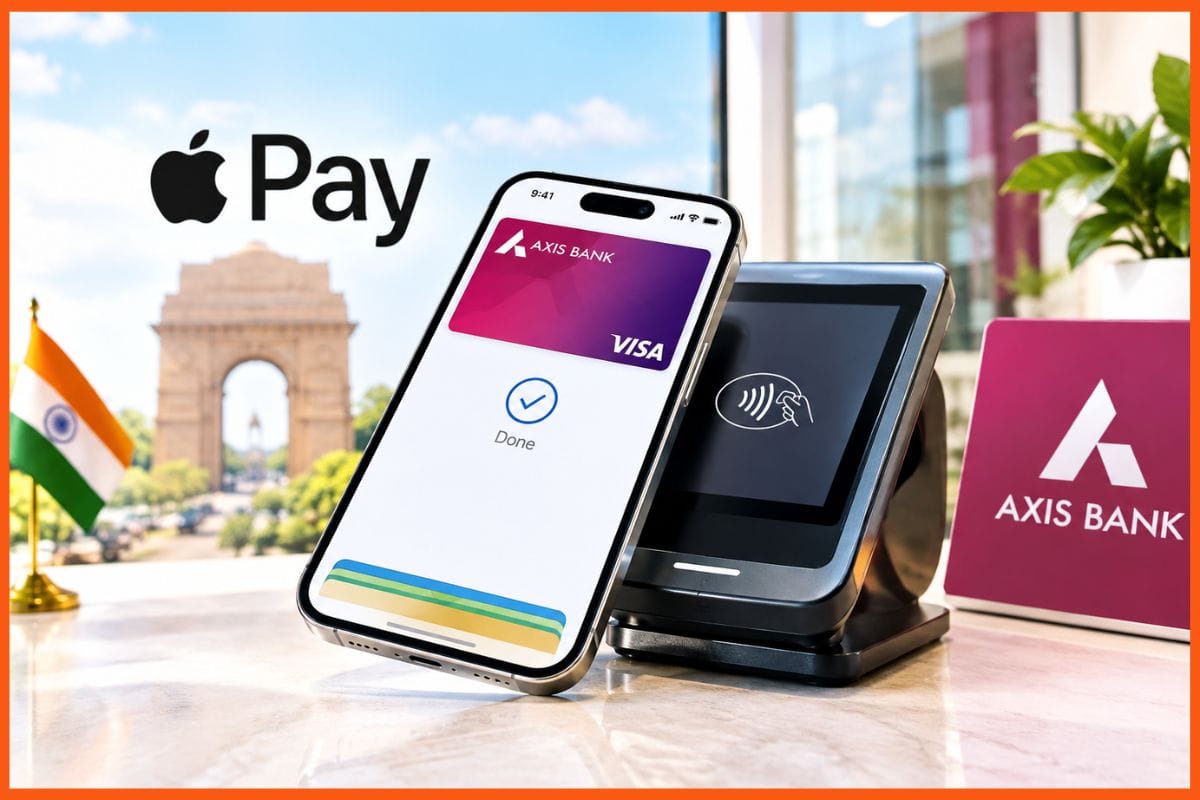
Apple has finally launched Apple Pay in India, after years of navigating the country's regulatory landscape, and Axis Bank is the first financial partner. Soon, Mac users will be able to use the tap-to-pay feature alongside their iPhone, iPad, and Apple Watch. At the moment, Apple Pay is only available to users whose Visa or Mastercard was issued by Axis Bank. With this card, users can use it to make in-store and online purchases across India and anyplace else that accepts NFC payments.
According to Tarun Pathak, research director of Counterpoint Research, Apple's ecosystem in India will be strengthened with the launch of Apple Pay. In addition, it expands its services to the third-largest iPhone market in the world. According to Counterpoint's customer satisfaction surveys, Apple Pay is one of the most well-liked Apple services. According to Pathak, this demonstrates the significant contribution it makes to the environment as a whole.
Why Apple Opted for Axis Bank?
A portion of each purchase, close to 20 basis points (0.2%), is reportedly what Apple is requesting. While negotiations over business arrangements continue, SBI Card, HDFC Bank, and ICICI Bank have chosen to remain out for the time being. Keep in mind that using Apple Pay in India will not incur any additional fees for either Apple device users or merchants (the storekeeper). All of Apple's revenue comes from bank fees. According to reports, Apple is allegedly requesting the 0.2% fee from all banks.
There has been silence regarding the agreed-upon pricing between Apple and Axis Bank. As of yet, no bank has formally replied. Also, keep in mind that the price that Apple charges could not be typical and could vary from one bank to another based on the specifics of the "deal" that is inked. According to a media report, the setup is similar to Apple Pay's business strategy in other nations. In a US antitrust complaint filed in 2024, the Justice Department listed Apple's charge at 15 basis points per credit card transaction.
Not a Lucrative Deal for the Banks
Approximately forty to fifty basis points of margin are supposedly earned by the payments layer. According to basic math, a 20 basis-point decrease would require roughly 40–50% of that. Apple would receive 20%, or INR 20, for every INR 10,000 spent. The fee is deducted from the interchange that the bank currently earns. No separate charges are imposed on customers or merchants. With every Apple Pay transaction, the bank loses money. One lender's reduced rate could end up being the norm for the others. The bigger issuers will likely negotiate terms before signing for both of these reasons.
Avoidance may remain a challenge for banks. Because Indian iPhone owners tend to have higher incomes and use premium credit cards. Apple has partnered with eight other payment processors to increase its reach, including Razorpay, Paytm, Pine Labs, and Worldline. Among the merchants announced at launch are Zomato, Blinkit, and Croma. According to RBI data, Axis had approximately 16.29 million credit cards in August.