
Flipkart Cuts Logistics Spending by 6% as FarEye Optimises Delivery Operations
Flipkart Wholesale has cut its logistics costs by 6% and vehicle deployment by 8% with the help of FarEye’s AI-powered logistics solution. It also cut vehicle idle time by 10% but kept delivery efficiency consistent across 26 locations and one cross-dock.
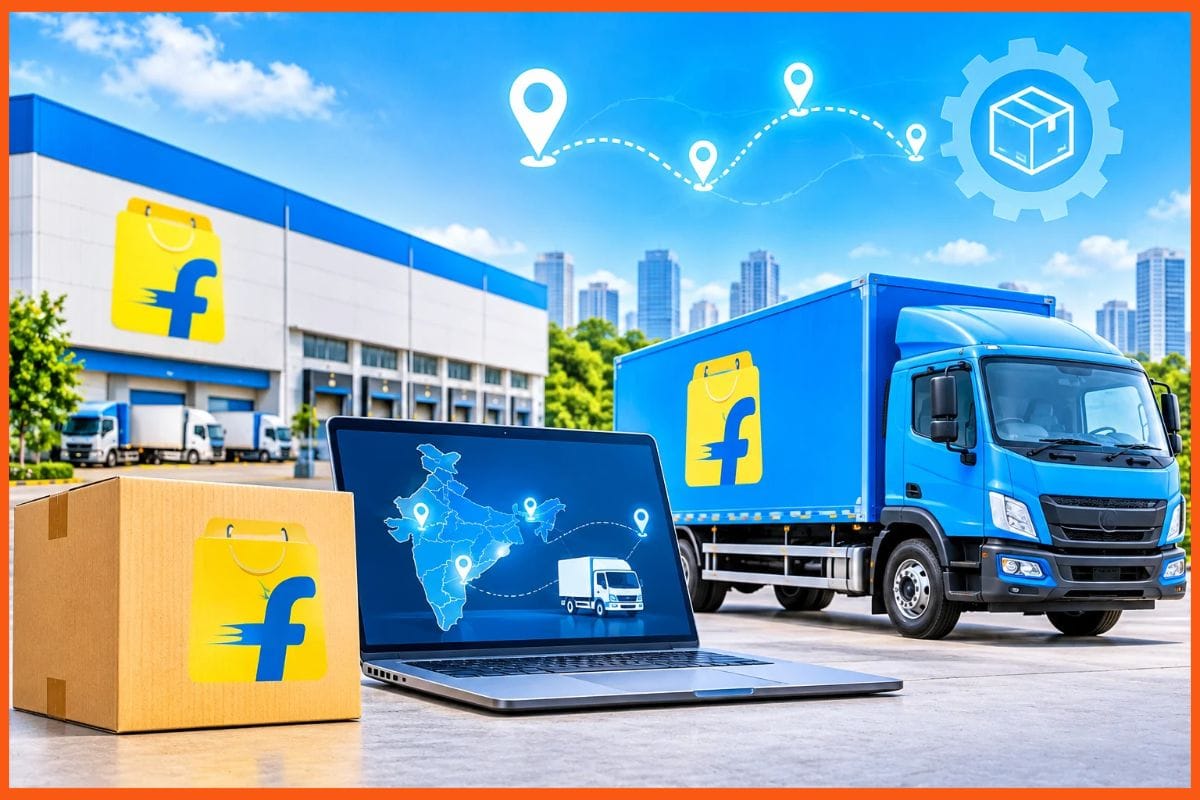
E-commerce giant Flipkart's B2B cash-and-carry marketplace, Flipkart Wholesale, was able to cut its logistics expenditure by 6%. Further, it has also cut down on its vehicle deployment across India by 8% thanks to AI-powered enterprise SaaS Far Eye, which announced the news on November 22. According to a release from Far Eye, this has allowed Flipkart Wholesale to increase fleet productivity while maintaining delivery efficiency, resulting in a 10% reduction in vehicle idle time.
It added that the network's 26 stores and one cross-dock were able to achieve these benefits through the digitisation and connection of their dispatch, routing, compliance, and payment collection operations. Each month, the Flipkart Wholesale network handles around 195,000 vehicle - assignments and over 200,000 orders.
Flipkart Digitising its Whole Business Operations
According to Flipkart, a uniform digital workflow has replaced manual and fragmented dispatch operations, allowing for the movement of goods across this network. Along with automated e-way bill creation and optimisation to match vehicle deployment to operational requirement, Far Eye said it also delivered a solution that removed manual effort from a compliance-heavy phase. With no change to delivery efficiency and a 6% reduction in total logistics expense as a consequence of improved routing, these measures reduced vehicle usage throughout pan-India operations by 8%.
The company also boasted that, thanks to improvements in fleet efficiency brought about by better planning and deployment, it has reduced vehicle idle time by 10% while maintaining dispatch discipline and optimising the fleet. 75 to 80% of India's fast-moving consumer goods (FMCG) sales come from the country's general trade ecosystem, which includes over one million kirana outlets. This market is seeing a shift toward online procurement. More than 21,000 merchants in three cities have been linked with more than 450 brands through the government-backed DigiDukaan project on ONDC. As the platform mentioned, the focus is shifting from the ordering process itself to the actions taken after the order is completed.
Flipkart Plans ‘Flipkart for Earth’ Initiative
Flipkart has started partnering with businesses in a variety of industries, including food and drink, home furnishings, apparel, and electronics. The suggested offering is said to center on healthier, toxin-free, and environmentally friendly products, according to media reports.
It is not yet known if Flipkart for Earth would only be accessible on the company's e-commerce site or if it will also be available on Flipkart Minutes, its rapid commerce service. Swiggy Instamart's Switch is a curated marketplace that has products across more than 60 categories. If Minutes were to expand, it may compete with Switch.
This shift is in response to the increasing focus on premium and specialised product categories through quick commerce platforms. This market has also benefited from the addition of FirstClub, which specialises in high-quality agricultural and grocery items. Pykd, a private label of gourmet nibbles, was introduced in August by Flipkart Minutes. In a category seeing rapid growth in quick commerce, the move gives the corporation greater control over product sourcing, price, and margins.