Centre Pauses Starlink Clearance Over National Security Concerns and Iran War Usage Reports
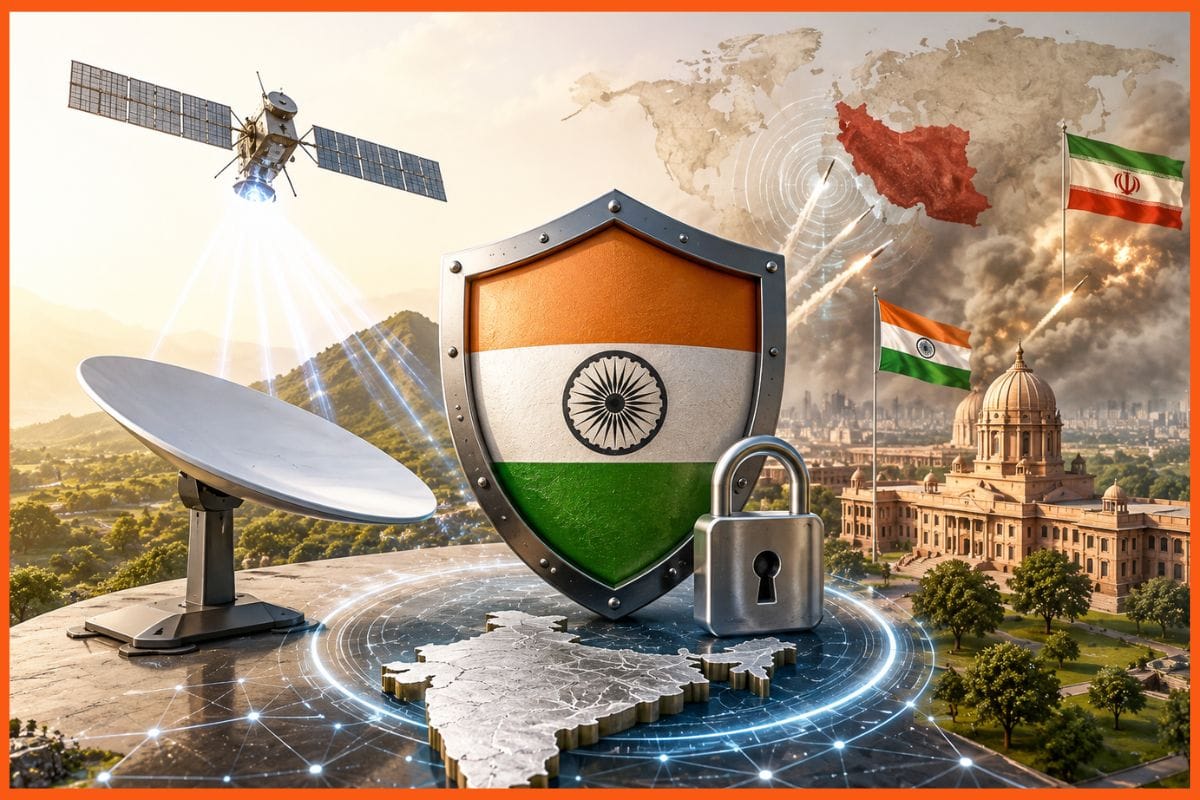
For a while now, tech magnate Elon Musk has been discussing the possibility of bringing Starlink to India. Musk, though, may be in for an endless wait. The Indian government reportedly has put a hold on the necessary licenses for Starlink to launch its operations in the country due to security concerns.
Through its extensive network of low-orbit satellites, SpaceX's Starlink satellite internet service guarantees lightning-fast connections. Due to security concerns regarding the service's alleged use during the Iran conflict, the final certifications needed for Starlink have been withheld by the Ministry of Home Affairs. Despite Starlink's lack of a licence in Iran, the US allegedly made use of the country's satellite terminals there.
Why India is Worried in Giving License to Startlink?
The latest incident involving Iran has heightened concerns in New Delhi, according to various media reports. The centre has raised concerns regarding the extent to which India can exert control over a communications operator based in the United States during periods of geopolitical tension. Last year, Starlink was granted a licence in India to provide global mobile personal communication by satellite. As a result, the service can finalise agreements and get ready to launch.
Before Starlink can launch its services in India, however, it must first obtain the necessary security clearances. The report states that in the event that foreign countries make competing requests, Indian officials are requesting Starlink to clarify how, considering its worldwide reach and US ownership, it will ensure compliance with Indian security needs. Remember that Starlink operates through satellites, as opposed to the more traditional method of connecting phones that depends on cell towers. Plus, these satellites are in Earth's orbit; the only thing they require on the ground is the kits that customers buy.
|
Some Interesting Facts of the Story |
|
1.India’s satellite communication market is
expected to become one of the fastest-growing globally over the next decade. 2.Security oversight of satellite
communications has become a growing policy issue worldwide amid rising
geopolitical tensions. 3.The outcome of Starlink’s approval
process could influence future regulations for all foreign satellite
communication providers entering India. |
India Reworking on its Satellite Based Communications
An effective freeze on Starlink is only part of the tale. There has reportedly been no progress on a satellite-spectrum pricing proposal, which is a must for any commercial rollout by Starlink or its Indian competitors. Although the framework is complete, it has not been forwarded to the Union Cabinet for approval by the Department of Telecommunications.
Supposedly, following the crisis with Iran, Indian officials adopted a more wary stance toward the entire satellite communications industry. Companies like Bharti Airtel and Jio Infocomm, owned by Reliance Industries, are having their agreements with European satellite communications providers scrutinised more closely. Nevertheless, they are considered to be less of an issue. Fear regarding dependence on communications infrastructure owned by foreign entities during an era of increasing geopolitical instability is the larger worry.
|
Quick Shots |
|
•India has reportedly put Starlink’s final
operational approvals on hold over national security concerns. •The concerns emerged after reports of
Starlink terminals being used during the Iran conflict. •Although Starlink is not officially
licensed in Iran, reports suggest satellite terminals were used there. •The Ministry of Home Affairs (MHA) is yet
to grant the final security clearance required for commercial launch in
India. |