

Eternal Reviews 2030 Deadline for Making its Delivery Fleet 100% Electric
Eternal is re-evaluating its target of 2030 for full electrification of its delivery fleet citing expansion of operations and patchy availability of EVs across India. The company is still dedicated to electrification but is revising its timeframe.
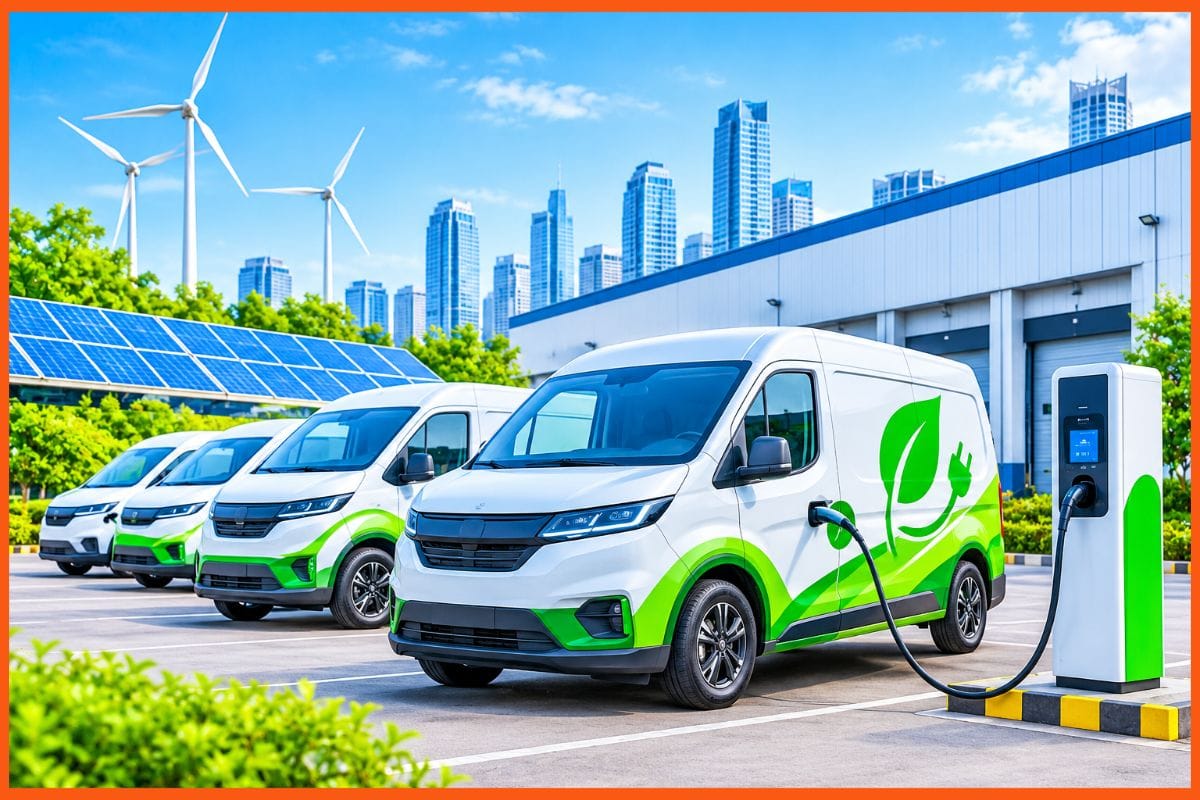
The parent company of Zomato and Blinkit, Eternal, is rethinking its goal of transitioning to an all-electric delivery fleet by 2030. The reason given is the growth of their delivery network and the fact that electric vehicles are not evenly distributed. The goal of 2030 doesn't appear to be achievable, according to Anjalli Ravi Kumar, chief sustainability officer of Eternal.
According to her, electrifying the fleet is still a top priority for the corporation. The availability of vehicles, government regulations, and the transportation demands of the firm's clients are all factors being considered, she continued, as they work on a revised schedule. At the time of its initial target, Zomato had approximately 1.5 lakh active delivery partners on a monthly basis. The combined user base of Eternal's meal delivery and fast commerce services has now grown to about 12 lakh.
Why Eternal is Rescheduling its EV Timeline?
According to Kumar, in order to maintain this base, the company needs to enrol approximately 30 lakh riders annually. Therefore, it's reasonable to wonder if 900 cities have consistent access to EVs. In response to a question regarding Eternal's commitment to a 2035 deadline, Kumar stated that the firm is in the process of finalising a date. Further, she added that the choice is being influenced in part by the extent to which electric vehicle laws are implemented nationwide. She emphasised that the new goal would encompass all group transportation, including Hyperpure's delivery trucks and smaller commercial vehicles.
The reevaluation of Eternal is part of a larger movement among fast commerce and food delivery services to electrify their delivery fleets. Competitor Swiggy stated in March 2025 that it aims to switch to an all-electric delivery fleet by 2030. With the help of Reliance BP Mobility, the firm started testing electric vehicles in 2021, and a year later, they introduced Swiggy XL EV, a service that employs electric three-wheelers to deliver large orders.
Companies Opting for EVs Over Traditional Logistics Solutions
In June 2025, Zomato started testing out electric bike rentals for delivery partners in the Delhi NCR area. They intend to expand the program depending on how many people use them. Its number of electric vehicle (EV) food delivery partners surpassed 37,000 in March 2025. Eternal has also implemented policies, including providing equal compensation to drivers of electric and gas-powered vehicles. In addition, the company has made electric car models more accessible to riders by offering rental alternatives through the EV Bazaar and its delivery partner app. Even bigger commercial vehicles are joining the electric vehicle revolution.
Just last month, Amazon and Tata Motors worked together to roll out 3,000 electric trucks all over Amazon's Indian transportation network. Consequently, this points to the increasing use of EVs in logistics and the transportation of commodities. Additionally, states are considering delivery platform requirements. Swiggy, Zomato, and Zepto are just a few of the e-commerce platforms that Maharashtra wanted to regulate in August 2026 by expanding its bike-taxi regulations too. A 2% rider welfare levy, insurance coverage, GPS tracking, and an EV mandate are all included in the proposed regulations.