
Even Healthcare raises $50 million Series B led by Khosla Ventures to build hospitals designed to keep patients out of them
Even's valuation has tripled in 18 months. The company will use the round to scale a model where doctors are rewarded when patients get better, not when hospitals do more.
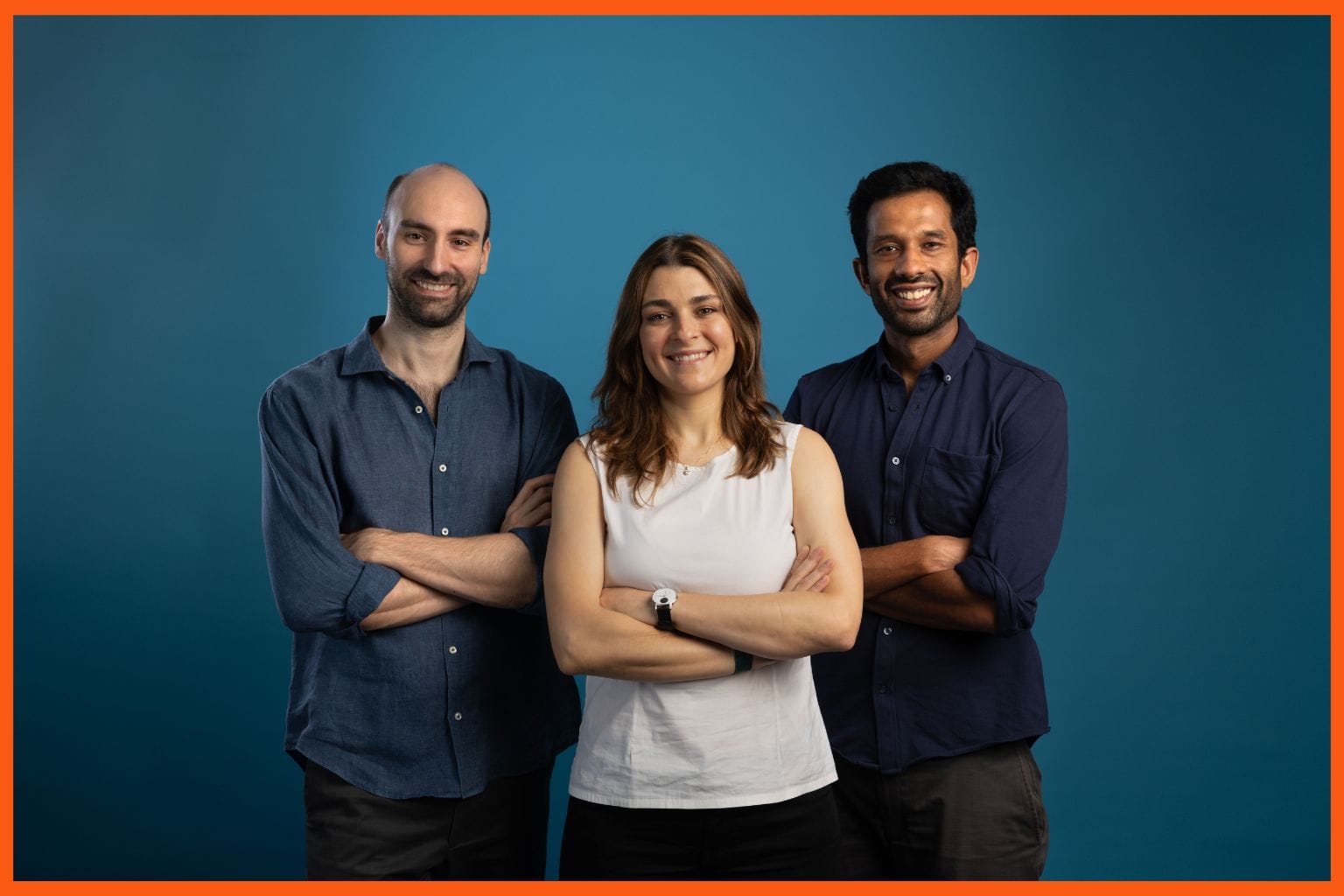
Even Healthcare, the integrated managed care company headquartered in Bengaluru, has raised $50 million in a Series B round led by existing investor Khosla Ventures, with participation from Alpha Wave. The round triples Even's valuation from its previous raise 18 months ago and takes total funding to over $120 million. The capital will fund five new Even hospitals across Bengaluru over the next six months.
For most families in India, a hospital visit comes with the same set of uncertainties. Patients tell their medical history again to every new doctor. They cannot tell whether a scan or a surgery is really necessary. They receive bills they could not have predicted, and once discharged they are largely on their own. The cause is structural. Across much of the private system, a hospital earns more when it does more, and no one is responsible for what happens to the patient between visits.
Even members have a different experience. One care team follows them over time, knows their history and reaches out before a small problem turns into an admission. When hospital care is needed, it is cashless and delivered by doctors who have no financial incentive to recommend a procedure the patient does not need. After discharge, the same team stays in touch until recovery is complete.
That experience depends on a different set of incentives. Even is the only private hospital chain in India where doctors are not paid on the number of procedures they perform or the revenue they generate. Doctors are assessed on whether patients get better, how quickly they recover and whether they come back to hospital. An AI quality system reviews every case against clinical protocol in real time, so problems are caught while the patient is still in Even's care, not months later in an audit.
The first full year of managed care shows the model working. In programmes run with insurance partners, unplanned readmissions stayed below 1%, against an industry range of 8 to 15%. Average hospital stays were 40% shorter. Proactive care kept more than 200 members out of hospital altogether, saving patients an estimated Rs. 15 to 16 crore. The Race Course Road hospital earned NABH 6th Edition accreditation within its first year. It is one of only nine hospitals in Bengaluru accredited under the latest standards.
Even is now moving this model from single facilities to a network that covers the city. Both of its existing hospitals reached operational profitability in record time. Five more will open across Bengaluru over the next six months, starting with Indiranagar. The goal is to put an Even hospital within five kilometres of every member in the city, and then to bring the same model to India's other major cities.
Commenting on the fundraise, Mayank Banerjee, Cofounder, Even Healthcare, said: "Every family in India has a hospital story, and too often it is about confusion, fear and a bill nobody could explain. That happens because a hospital earns more when a patient is admitted, and almost no one is accountable for keeping that patient well. Even was built to take on that responsibility. We stay with our members from their first consultation to the hospital bed and back home, and our economics depend on keeping them healthy. Two hospitals profitable in record time and readmissions below 1% tell us the model works. This round is about building it at the scale of a city: an Even hospital close to every family in Bengaluru, and then in every major city in India."
Speaking on the investment, Vinod Khosla, Founder, Khosla Ventures, said: "Most healthcare companies optimise one piece of a fragmented system. Even is attempting something much more ambitious: integrating the financing, technology and delivery of care so that the system is rewarded for better health outcomes rather than greater utilisation. The clinical and economic results so far give us conviction that this can become an important new model for healthcare in India and beyond."
Even now serves more than 2.5 lakh members across 10 cities and has tripled its membership over the past year.