
FSSAI Flags PepsiCo Over Marketing Beverages as Energy Drinks to Mislead Consumers
FSSAI has accused PepsiCo of deceiving consumers over the sale of 'energy drinks' Sting Energy and Adrenaline Rush which have high levels of caffeine. The agency justified limits on the word in an affidavit before the Delhi High Court, citing concerns over deceptive advertising and labelling.
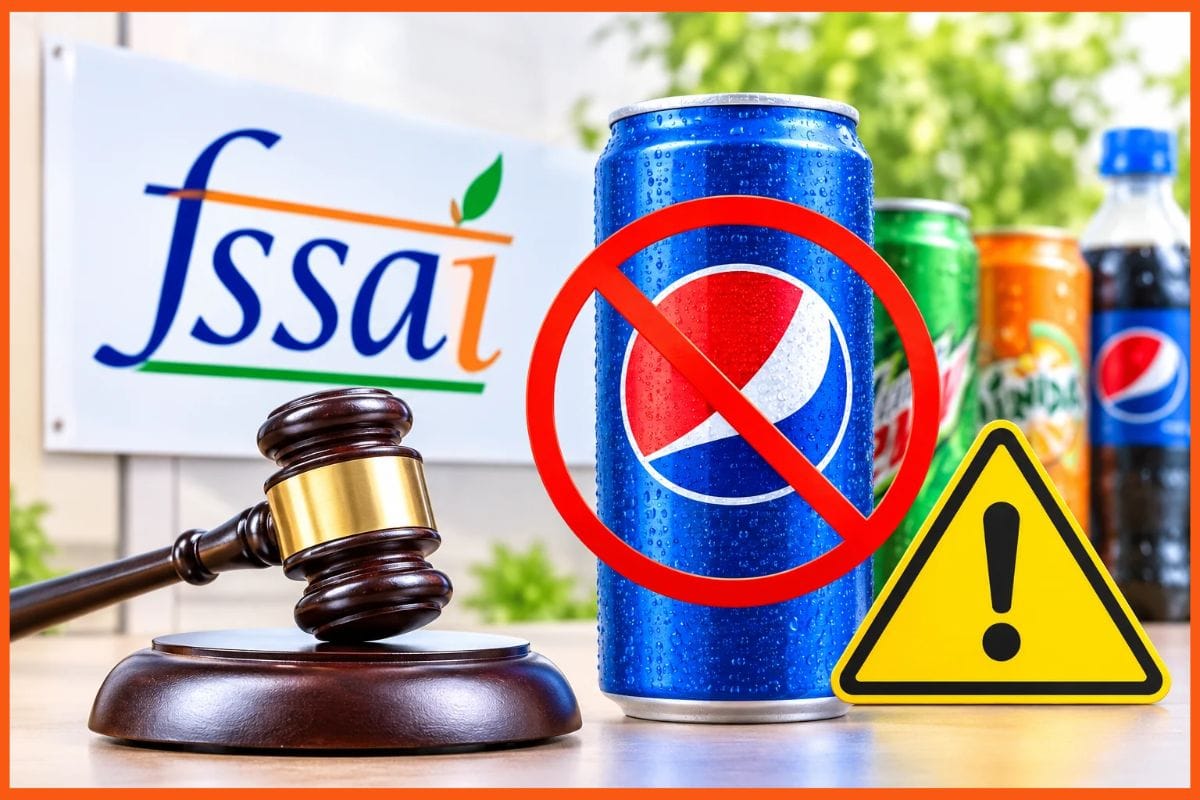
FSSAI, India's food safety and standards agency, has charged PepsiCo with intentionally misleading customers by labelling its caffeinated drinks as energy drinks. According to FSSAI, this category of items does not have any mandatory criteria in the country. While defending its decision to restrict manufacturers from using the phrase 'energy drink' on their products, the food safety authority made the submission in an affidavit before the Delhi High Court.
According to FSSAI, PepsiCo was trying to trick "dupe" customers into thinking their high-caffeine drinks were energy drinks when in fact they were just promoting Adrenaline Rush and Sting Energy. The company knew their products needed to meet caffeinated beverage requirements, yet it was still doing it on purpose, claims FSSAI.
FSSAI Submission to HC Highlights Major Gaps
The FSSAI stated in a lengthy 57-page document that the word "energy drink" could lead to deceptive advertising. According to the statement, PepsiCo was told in its June 30 email not to use the phrase as a name or description of any food product. According to the agency, the message did not include any additional restrictions. Nonetheless, it aimed for conformity with the rules established by the Food Safety and Standards Act of 2006 and its requirements.
Products with statements like "vitalises body and mind" or "helps in general weakness" were also deemed misleading by FSSAI. According to the news reports, the firm was ordered to remove the phrase "energy" from all labels, marketing materials, and commercials within 90 days of the ruling. The authority turned down PepsiCo's request for an indefinite 12-month grace period to use up all of its current packaging.
Firms Knocking HC Doors Against FSSAI
PepsiCo took the regulator's order that producers of caffeinated drinks cease using the term "energy drink" to court in Delhi. By staying the FSSAI order until the next hearing, Justice Amit Mahajan prevented PepsiCo from putting the word on new batches of their products. The court had also asked the authority to respond. The hearing on the subject is set for November 6th. Companies could use the energy drink label until it was exhausted, according to Reuters, but they couldn't use it on new products.
Along with PepsiCo, Monster also appealed the FSSAI's June ruling, claiming that the firms were not notified in advance or given a chance to voice their opinions before the limitations were put in place. Monster Beverage was also accused by FSSAI of misleading customers by selling their caffeinated beverages as energy drinks. Hell Energy, Red Bull, and Reliance Consumer were also parties to the lawsuits. As part of a broader crackdown on the marketing of high-caffeine beverages in India, the regulator has taken this move.
The potential health implications of these items' caffeine, sugar, and taurine content have been noted by FSSAI. Reuters cited data from Euromonitor, which indicated that the energy drink industry in India will develop at a higher rate than in the US and China, reaching $1.6 billion by 2028, with yearly sales growth of 12.6%.