

FSSAI Tightens Rules on Temperature-Controlled Transport and Storage of Perishable Foods
The food safety agency highlighted the necessity of upholding prescribed temperatures throughout the supply chain to prevent spoiling and hazardous microbiological growth. FBOs must employ clean covered vehicles, food-grade packaging, and maintain correct records and traceability.
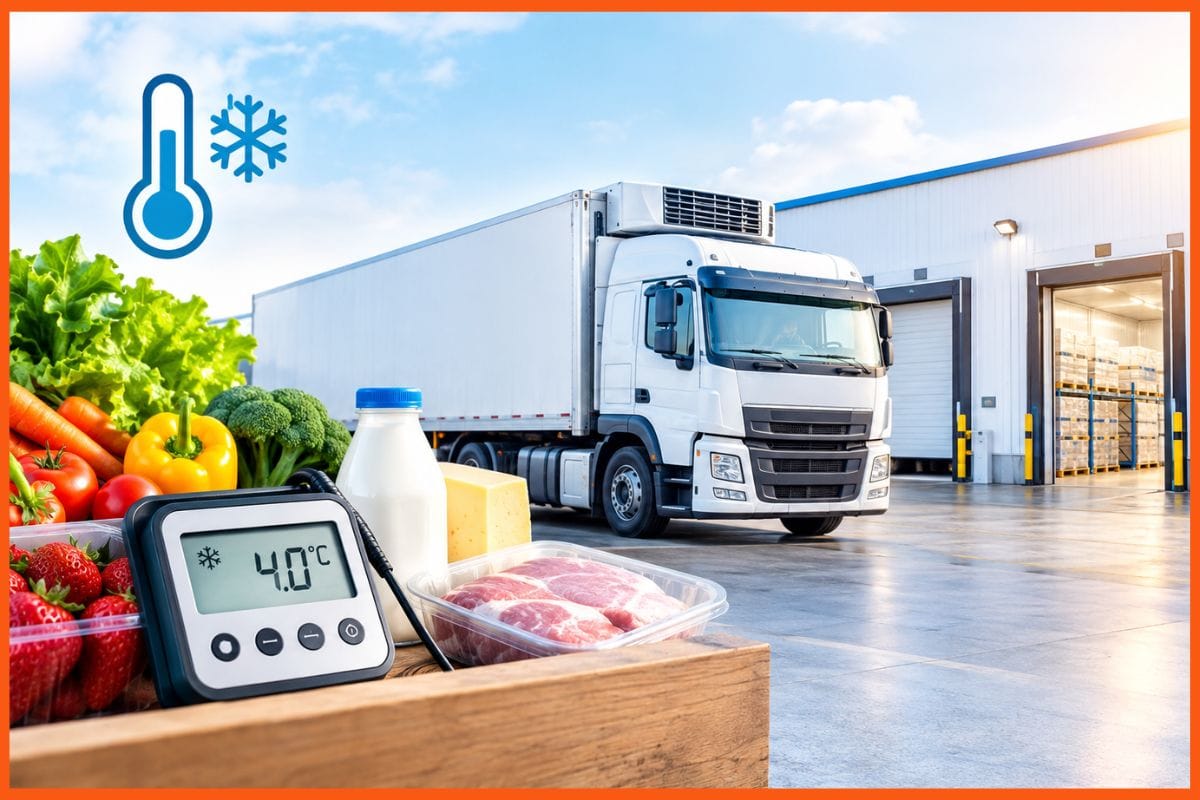
In order to protect the public's health, the Food Safety and Standards Authority of India (FSSAI) has ordered food producers to make sure that all links in the supply chain use proper refrigeration for perishable goods. Additionally, state FDAs have been instructed to remain vigilant and address any infractions that may occur.
In social media advice dated October 19th, FSSAI stated that it has received information regarding the improper handling, storage, or transportation of perishable food commodities, including khoa, paneer, meat, fish, etc. Because of their short shelf life, these foods will degrade quickly if not kept at the right temperature to prevent the formation of harmful microbes.
FSSAI Drawing Strict Line for FBOs
The sanitary and hygienic criteria for food business operators were set in the Food Safety and Standards (Licensing and Registration of Food Businesses) Regulations, 2011, as pointed out by the food safety agency. The recommendation emphasised that FBOs must keep the specified temperature all the way through the supply chain, from sourcing or procurement to delivery to the end user.
The rules also state that these products must be transported and handled under controlled temperatures. The food safety official has warned that some foods could be put at risk if heated to unsafe levels. In addition to being in violation of the cleanliness and sanitation standards set out by the rules, it will have a negative impact on public health. Strict adherence to these standards is required of all FBOs involved in the production, packaging, storage, transit, distribution, and sale of perishable food commodities by the food safety regulator.
Framework Set by FSSAI for FBOs
The FSSAI has issued a directive to all participants, urging them to utilise only clean, covered, and sanitary vehicles. Furthermore, it has been stated that the specified temperature conditions must be preserved throughout transportation and storage. Additionally, FBOs have been informed by the food authority to use only food-grade packaging as well as appropriate secondary packaging materials. It has also emphasised the need for storing and transporting food items in a way that prevents them from being touched, rained on, or otherwise damaged by dirt, insects, or other potentially harmful substances.
Furthermore, FBOs are obligated to keep accurate records, ensure that shipments can be tracked, and generate invoices or other pertinent paperwork. To further guarantee compliance with the law, the regulator has requested that the State Food Safety Commissioners and Regional Directors of FSSAI instruct the relevant licensing authorities and food safety officers to be vigilant during inspections and transportation checks. The authorities might seize and destroy the food goods if necessary due to noncompliance.