Gates Foundation to Invest $1 Billion to Bring AI to the World’s Poorest Communities
The Gates Foundation will spend $1 billion over the next two years to extend access to AI in healthcare, agriculture and education in the world’s poorest regions. Funds will be allocated to AI training data sets, agricultural programs, healthcare efforts and education projects.
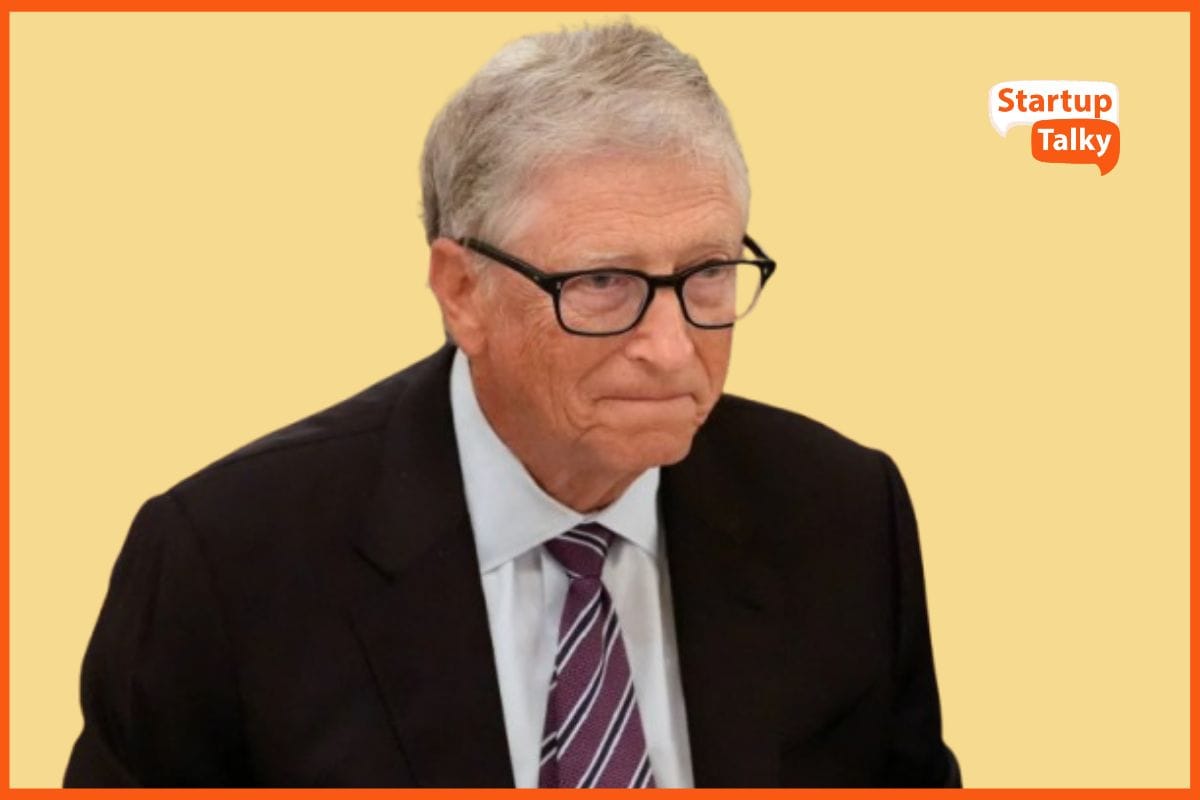
Over the next two years, the Gates Foundation will invest $1 billion to increase the availability of AI in healthcare, food production, and education. The investment will target low-income neighbourhoods that are mainly ignored by AI research and development at the moment.
On September 15th, a commitment was made public in conjunction with the foundation's yearly Goalkeepers report. Unless governments, tech corporations, and philanthropies take action within the next 12 to 18 months, the report further cautioned that AI risks widening the divide between rich and poor nations. The time to decide who gets what and how quickly is running out, added the report.
How Gates Foundation Planned to Fill AI Gap?
Approximately $100 million will go into agricultural programmes, while about $400 million will go toward healthcare and education, as reported by the Associated Press. The development of artificial intelligence training data sets in languages inhabited by marginalised groups will receive an extra $100 million. According to Mark Suzman, CEO of the Gates Foundation, the organisation is collaborating with prominent AI firms on the project.
Thousands of African communities rely on artificial intelligence systems that do not adequately reflect their languages. Google and Microsoft's AI for Good Lab are among the organisations supporting an open call for suggestions to improve this infrastructure. Healthcare providers in Rwanda will have access to AI capabilities thanks to a $50 million pilot programme that OpenAI is funding with the foundation. According to Suzman, more African countries will be included in the initiative. Anthropic is working with the foundation to increase the AI's understanding of locally farmed crops and to expedite vaccine research.
The funding was initially justified by Bill Gates, co-founder of Microsoft and chairman of the foundation, as a reaction to a basic market failure. This relates to the fact that the most advanced AI technologies are being developed for the privileged first. Without intentional intervention, the Goalkeepers research cautioned, artificial intelligence development will put profit above necessity. Plus, the report mentioned that the wealthiest individuals and organisations will be the ones to get their hands on the best technologies first.
Why Microsoft Focussing on Africa?
According to statistics published in the Goalkeepers report, high-income nations have less than 200 patients per doctor, whereas sub-Saharan African countries have one doctor for every 2,000 people. Additionally, it was pointed out that in Yoruba, AI voice recognition algorithms make mistakes at a rate of over 60%, whereas in English it's less than 6%. Suzman admitted to the AP that the overall contribution from the foundation is a "tiny proportion" of the money that large tech companies invest in commercial AI technologies.
Additionally, he mentioned that talks on potential additional contributions with those companies are ongoing. The Goalkeepers' research report is scheduled to be released right before next week's high-level UN General Assembly meetings in New York. António Guterres, the Secretary-General of the United Nations, has advocated for the inclusion of developing countries in the development of global AI governance frameworks.
Early this year, the Gates Foundation and Anthropic announced a $200 million agreement. This deal will implement AI into several global initiatives pertaining to education, health, and economic mobility. In addition to the foundation's grant money and programme knowledge, Anthropic is providing technical staff support, Claude AI usage credits, and other benefits.