Honda, Tata Technologies Target 20% Cost Reduction and Faster Vehicle Development
Honda has teamed with Tata Technologies to create vehicles for the Indian market, with the aim of reducing vehicle prices by 20% and development time by 50%. The alliance comes as Honda retools its India strategy amid increased competition and pressure to bring more inexpensive vehicles.
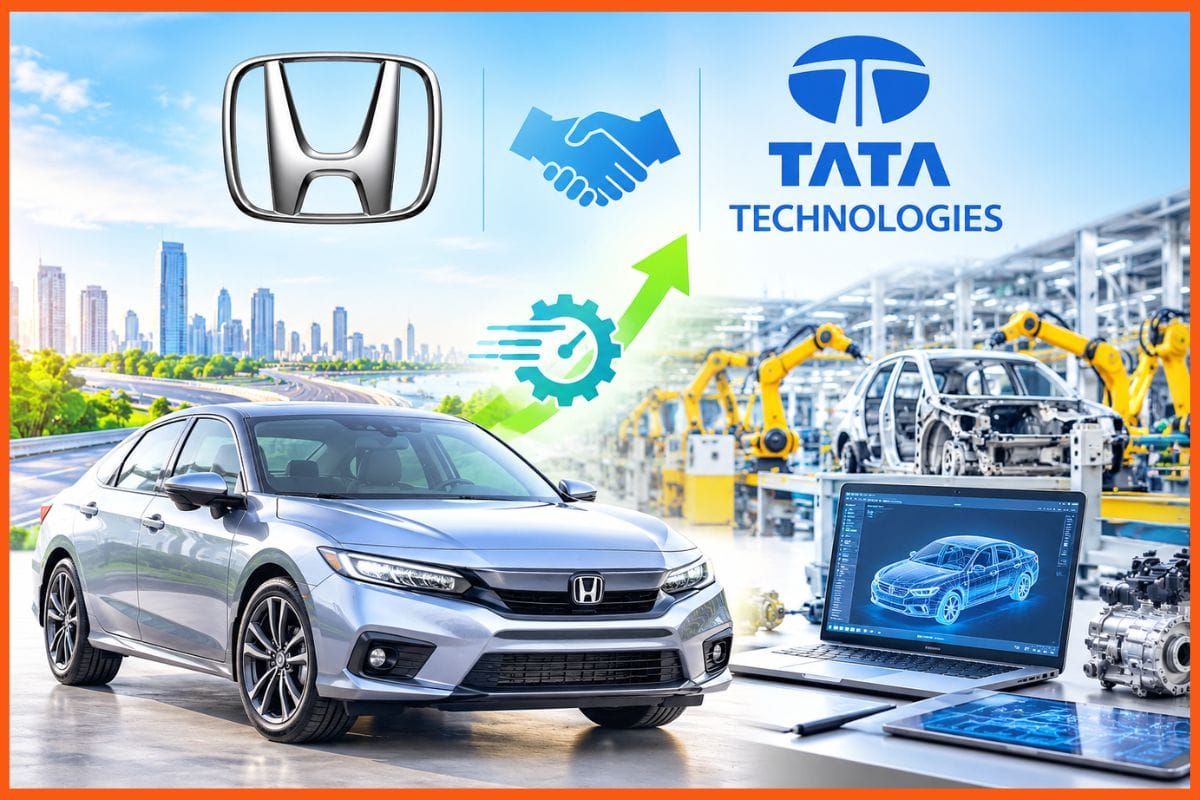
In India, Honda Motor intends to reduce costs by up to a fifth and reduce development times by half through its new partnership with Tata Technologies. The Japanese carmaker is reevaluating its independent strategy in the face of mounting pressure from competitors. Honda is shifting its focus to gasoline-electric hybrids while cutting costs, as it anticipates electric vehicle (EV) losses exceeding $12 billion.
It has reportedly instructed its suppliers to significantly lower prices in an effort to slash nearly $9 billion in expenses over the next four years, according to a last-month report by Reuters. Tata Technologies, an engineering firm, said in May that it had been chosen to design cars for a Japanese carmaker. The company chose not to reveal its partner's identity, but rumours in the media suggested it was Honda.
Specifics of Tata-Honda Agreement
Cars for the Indian market will be developed by Tata Technologies under the outsourcing deal. Conversely, Honda anticipates a 20% drop in costs and a 50% reduction in development durations compared to the current five years. When Honda's Japanese and Indian managers couldn't settle on a supplier for future vehicles in India, the Japanese carmaker brought in Tata Technologies to help out. This is the first time that cost-cutting and development goals in India, along with an internal impasse on supplier strategy, have been publicised.
In a statement, Honda admitted that its product lineup in India is lacking in providing customers with enough value for their money. That being said, it announced plans to rethink its offers in India and bring new vehicles that offer a good mix of affordability and quality. The statement rejected the idea that the Japanese and Indian groups had argued over who should supply the teams. Separately, Honda India stated that product development necessitated strong cooperation throughout several teams and that it was incorrect to label collaborative conversations as conflicts.
Honda’s India-Japan Managers Locking Horns
The goal of the Japanese management was to maintain quality and consistency by sticking with tried-and-true suppliers. On the other hand, Honda's Indian team advocated for more procurement from domestic vendors in an effort to cut costs and expedite development in the third-largest automobile market in the world. Reuters was unable to ascertain the duration of the impasse, but the two sources did confirm that it was sufficient to postpone development of certain goods. One of them also mentioned that the relationship had been discussed for around two years prior to its finalisation.
The reason behind the selection of Tata Technologies, a subsidiary of the Indian carmaker Tata Motors, was its extensive network of local suppliers. Additionally, the individual mentioned that Honda administrators had faith in their ability to cater vehicle designs to customer preferences and budgets. Honda will keep an eye on things to make sure they meet their quality standards, and they will also have influence over things like technology, connection, and driver aid systems.