Huawei Unveils Atlas 960 to Boost China’s AI Chip Capabilities
Huawei unveils Atlas 960 SuperPoD computer cluster as China looks to ramp up indigenous AI chip capabilities in the face of US tech curbs The new system replaces last year’s Atlas 950 and is aimed to deliver higher performance for AI training and inference.
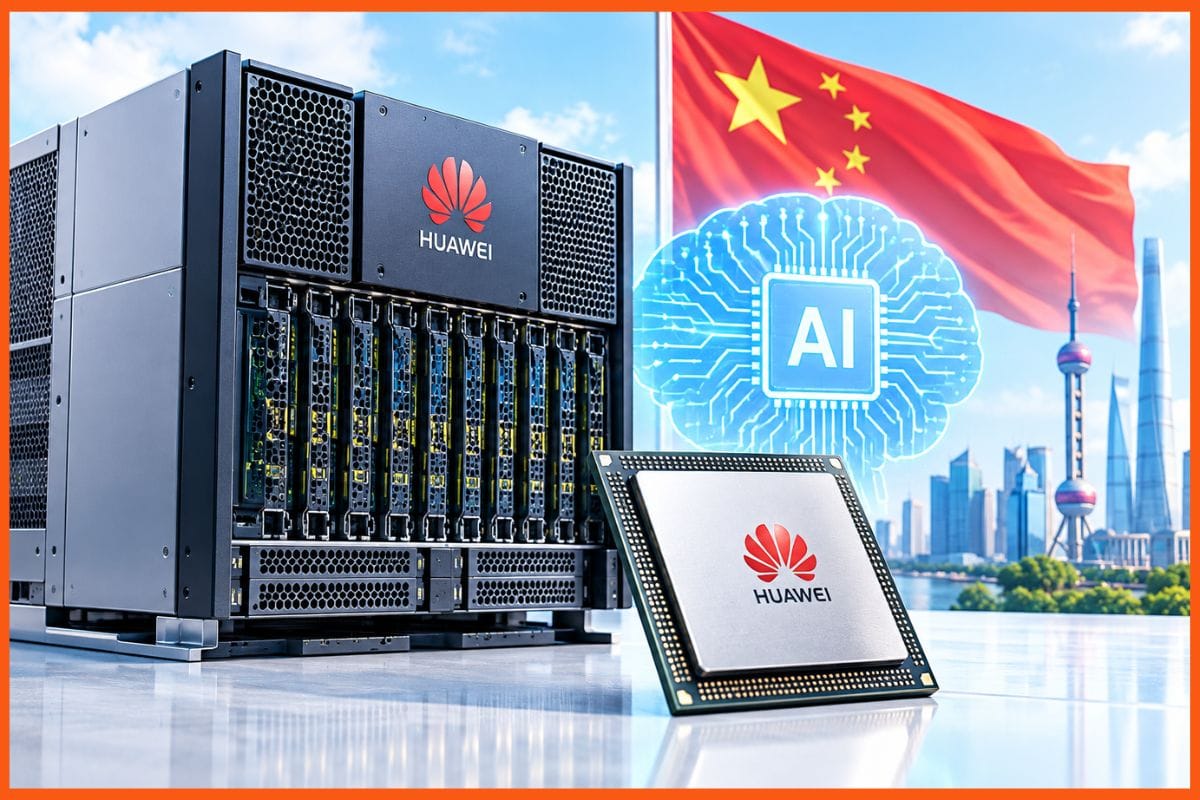
New chip innovations introduced by Chinese tech titan Huawei compete with industry heavyweights like Nvidia. The gap between the United States and China in AI is getting smaller, and this move shows that. During Huawei's annual major conference in Shanghai, the announcement was made on 17 September.
The news broke just days before US President Trump and Chinese President Xi Jinping were set to meet in Washington, DC, on September 24. It coincides with China's efforts to become technologically independent in the wake of US-led restrictions that limited the country's access to cutting-edge artificial intelligence (AI) processors and chipmaking equipment.
Why Release Timing of Atlas 960 Crucial?
Huawei unveiled the Atlas 960 SuperPoD computing cluster, which is an upgrade over last year's Atlas 950 SuperPod and launched at the tail end of the year. A trained AI system's ability to make predictions or conclusions is known as "inference", and the business claims that the new method improves both AI training and these processes. The Ascend 970 and 980 chip series, which are expected to bring significant improvements in computational power, will be launched by Huawei in 2028 and 2029, respectively.
Tech experts took notice of the Atlas 960's rapid release since it followed the previous model so closely. The timing, according to George Chen, a partner and chair of digital practice at The Asia Group consulting, highlights Beijing's ambition and trust in technology and innovation. This comes less than two weeks before President Xi Jinping's visit to Washington. Trump downplayed demands from AI leaders to hold down the development of the technology for safety reasons, which coincided with Huawei's launch.
Whoever wins the race to artificial intelligence, he added, the United States must maintain its lead over China. In summary, Huawei showcased quicker AI hardware, laid out plans for future chip series, and signalled China’s sustained push in the area despite US limitations during its Shanghai conference. The fact that Huawei upgraded so rapidly—in only a year—will only make the United States more worried about the fast-paced AI race, according to Chen.
Cut Throat Competition Driving AI Growth
Capital is shifting toward novel computing architectures, as demonstrated by the €200 million round. The change was brought about by the rising power consumption and hardware costs of AI data centres. Although Nvidia is still the market leader, consumers are looking for specialised processors that may provide better inference economics.
Analysts claim that U.S. processors, particularly those from Nvidia, are still heavily used in advanced Chinese technologies, such as AI model training. Even though AI businesses in China are increasingly using domestic chips, Huawei has created its own powerful chips and continues to lead the pack of Chinese chip producers. Coming so soon after the release of the Atlas 950 SuperPod at the end of last year, the Atlas 960 SuperPoD computing cluster caused several tech observers to scratch their heads.